30 Day Challenge: Day 28: All Around Fit-Running Cross Trainer

Standard


Hi Everyone!

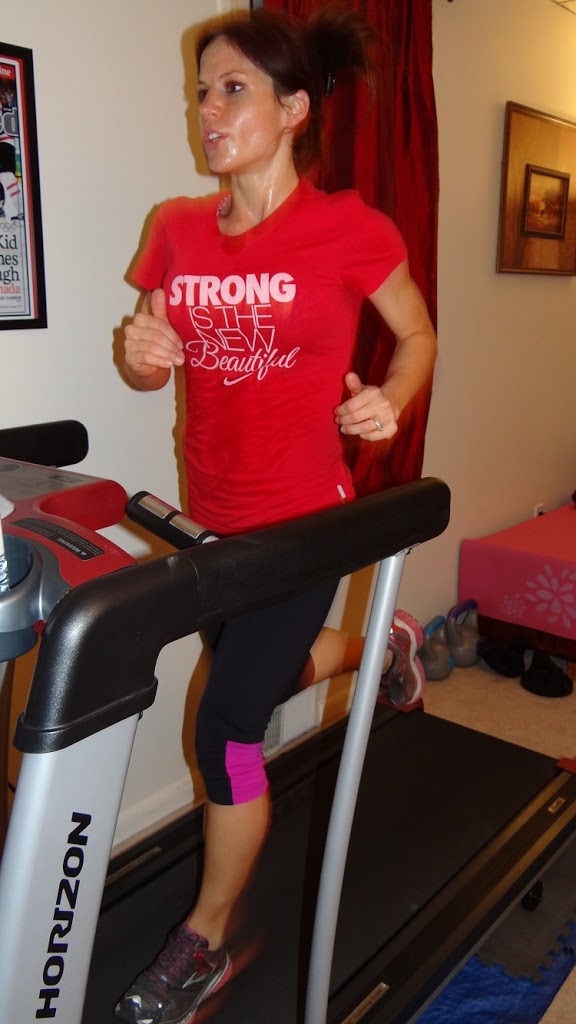
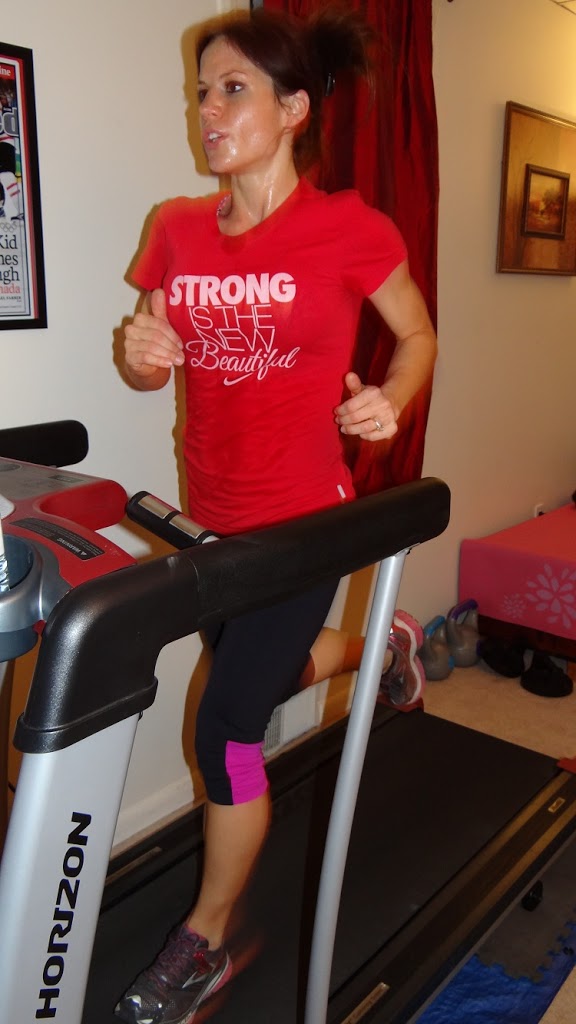
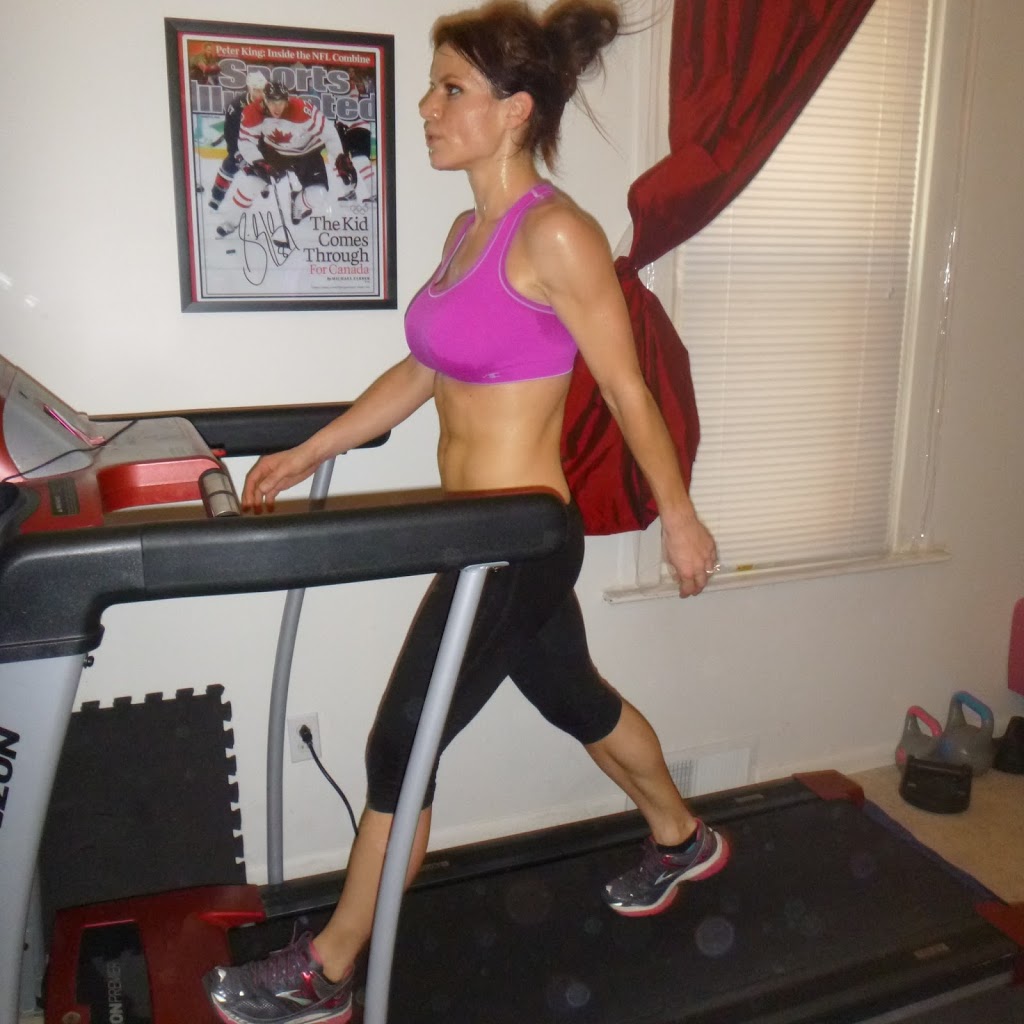
Welcome to Day 28 of the 30 Day Workout Challenge! I really enjoyed this workout. It’s a nice combination of strength, stretch, and cardiovascular challenge. It’s a great full body workout, and it is also a good cross training workout for runners. 

I have posted two alternate cardio options below for those of you that don’t run. You can pick the one that appeals to you the most, or alternate each round with a different cardio challenge. 

I repeated this workout 3X and added some weights for rounds 2 & 3. I also picked up the speed for the last 5 minute interval to a 7.2 min/mile pace (8.2 mph on the treadmill) to increase the challenge.  

I hope you enjoy the workout! 
Melissa

PS Don’t forget to check in after your workout: FacebookInstagram or Twitter


Equipment: Gymboss Interval Timer

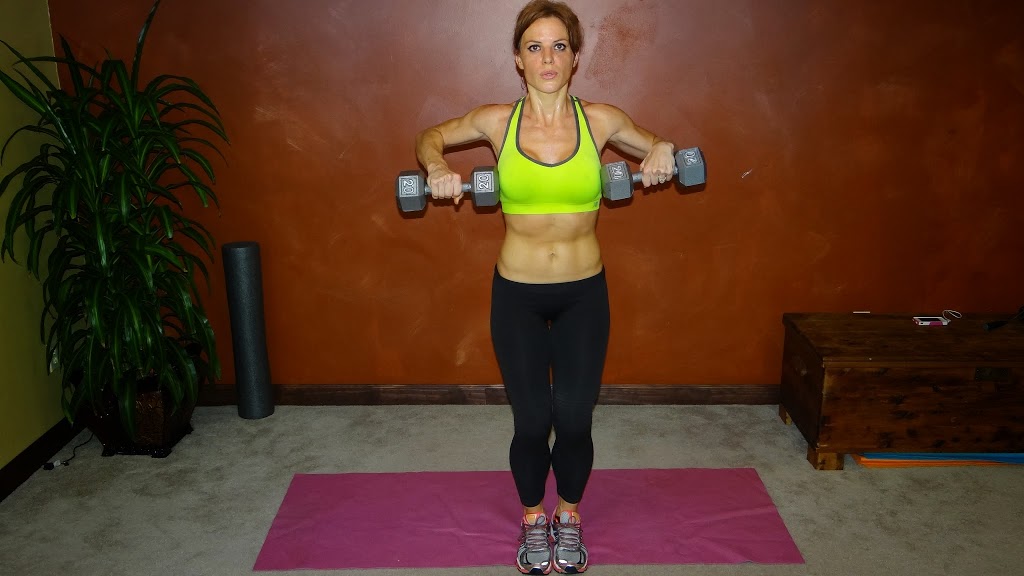
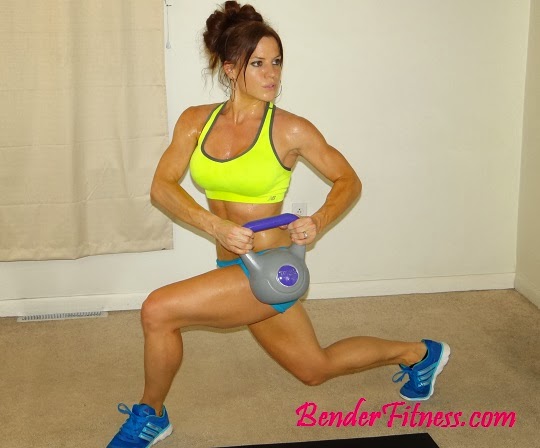
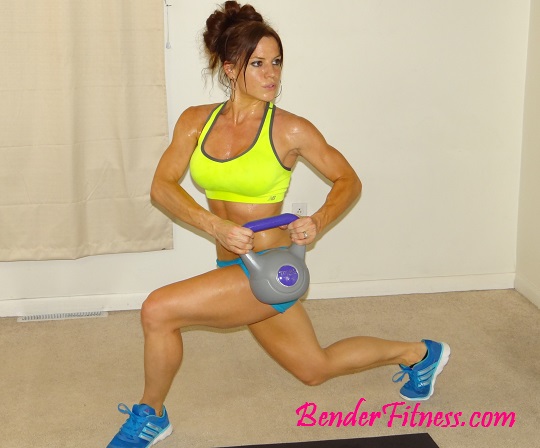
1. Runners Lunge Kick (right)**
2. Runners Lunge Kick (left)**
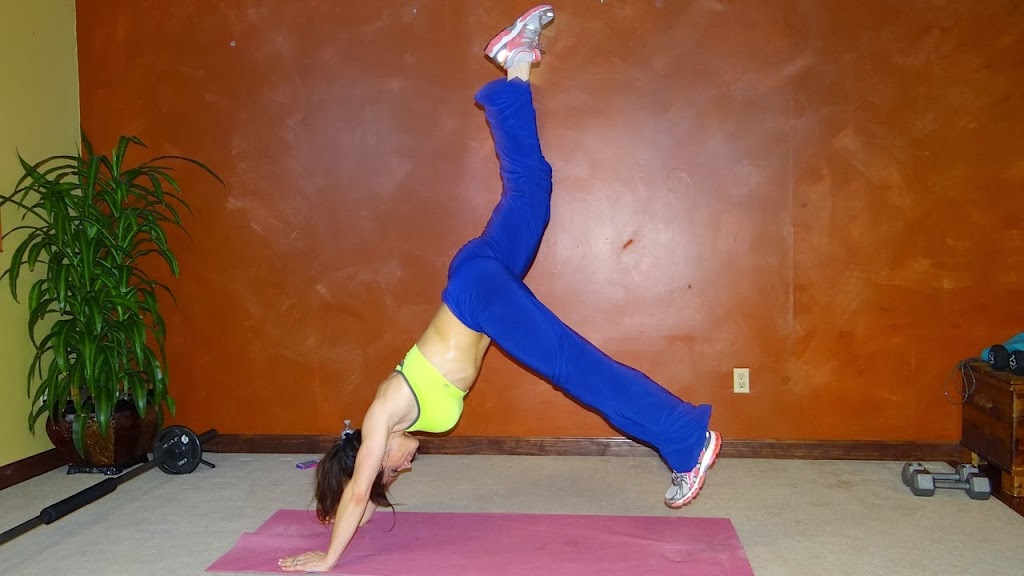
3. Dive Bomber
4. Bicycle
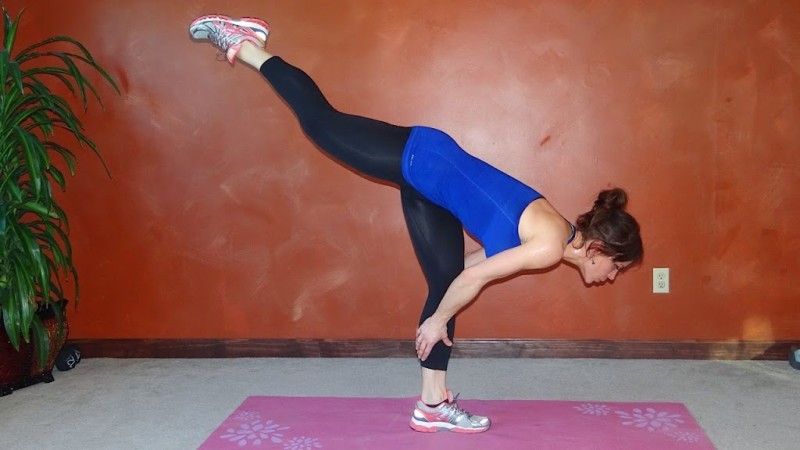
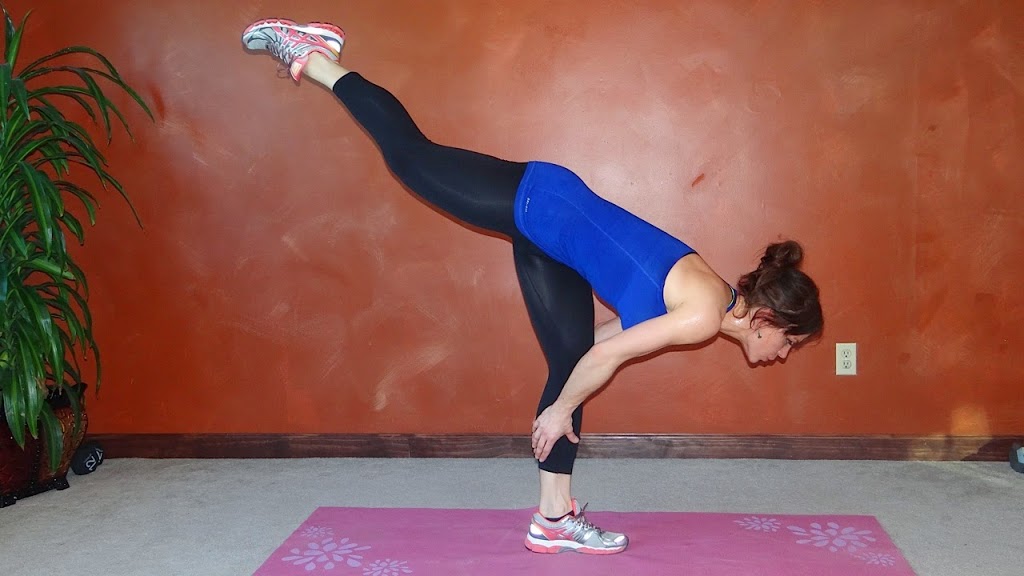
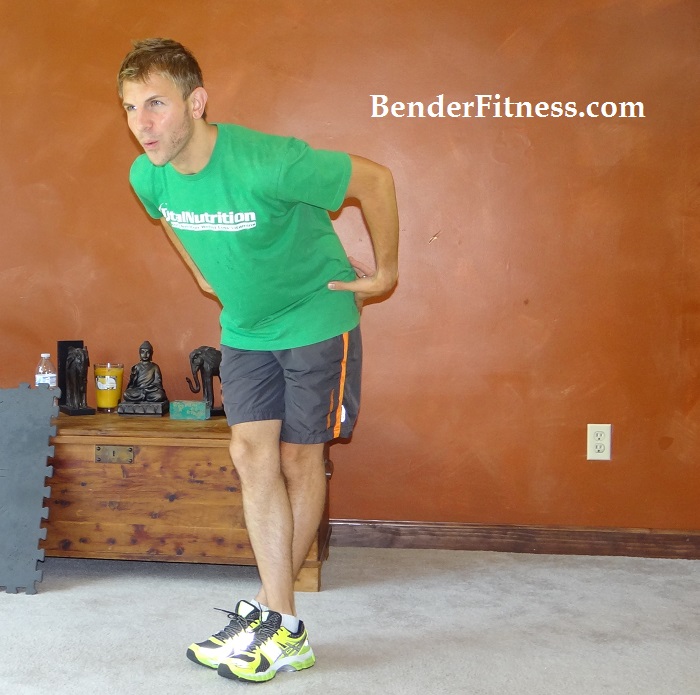
5. Forward Fold Leg Lift (right)
6. Forward Fold Leg Lift (left)
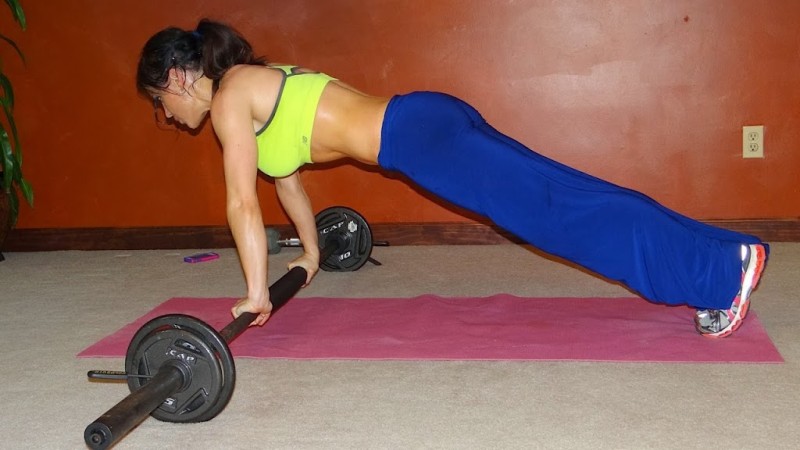
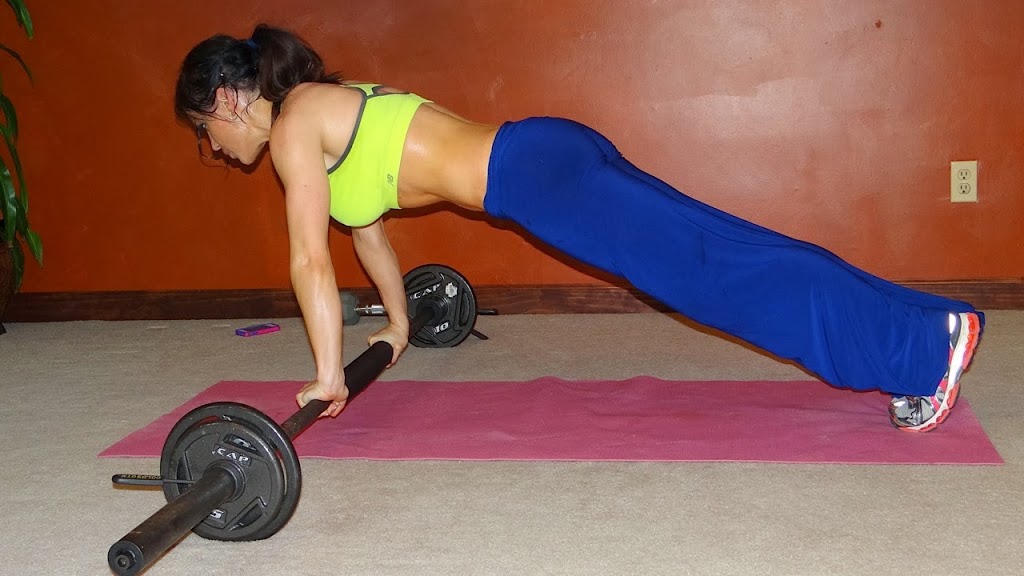
7. Side Plank Pushup
8. Leg/Hip Lift
9. Curtsy Lunge Kick (right)**
10. Curtsy Lunge Kick (left)**

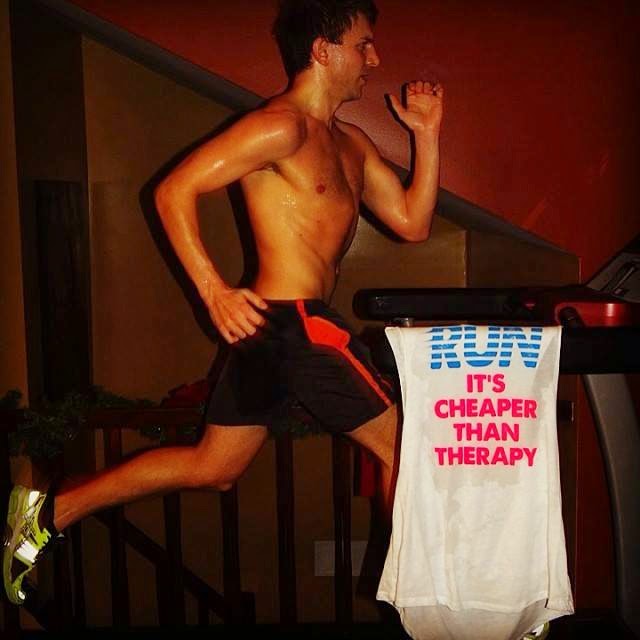
*5 Minute Run or Cardio of Choice
(**I used a 20 lb dumbbell on these exercises during rounds 2 & 3)

Repeat 1-3X

6 Minute Jump Rope Cardio Blast:


Alternate 5 Minute Cardio Blast:

All Levels: Max Reps during each 50 second interval, 10 seconds of rest between exercises. Followed by 1 mile run, or 5-10 minutes of cardio of choice. 

1. Frog Hopper
2. Curtsy Lunge Twist (right)
3. Bicycle Abs
4. Curtsy Lunge Twist (left)
5. Jumping Jack Pushup

Day 20: Cardio Challenge: Mile Repeats or Cardio HIIT

Standard


Hi Everyone!

Day 20 was a cardio challenge day for me! I have picked out my first few races this year, and it has motivated me to run. There are two workout options for today. For those of you that aren’t runners I have included an alternate cardio workout option below, so check out the video below. 

For my workout I did mile repeats. If you are a runner, especially if you want to improve your endurance and speed, this is a great workout

Mile repeats should be done slightly faster than your race pace. 

How do I know what my race pace is?  

The easiest way to know your race pace is to go out and run a race and see what you can do it in. Your speed will vary depending on the length of the race (you should go faster per mile in a 5K than you would in a half marathon). 

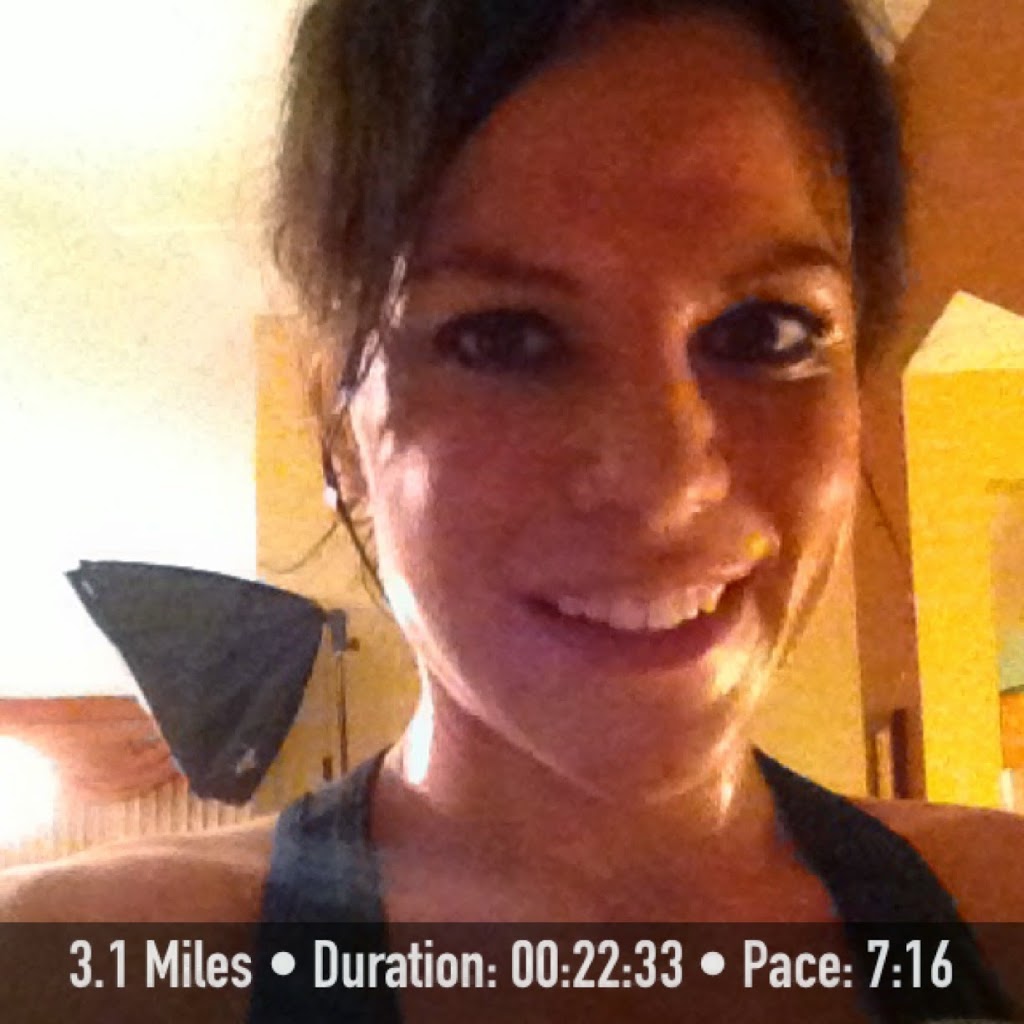
The other option is to challenge yourself to do a 5K (3.1  miles) as quickly as you are able to. This would be a mock race. I recently did a mock 5K on the treadmill to see where I was at pace-wise with running. An outdoor time trial will be more challenging because there are fluctuations in elevation. You can use Runner’s World’s Pace Calculator to help you figure out your pace per mile. 

My 5K pace per mile was 7:16 min/mile, so for mile repeats I did them at 6:58 min/mile. I wanted to work on both endurance and speed so I did 4 mile repeats at this pace. I rested for about 2 minutes in between each mile. You can increase the rest as needed. Ideally your rest should be closer to half the time that you ran (so mine should have been 3:29). 

My workout:
Warm-up (Jump rope, walk, jog, or dynamic warm-up).

Mile 1: 6:58
   Rest: 2 Minutes
Mile 2: 6:57
   Rest: 2 Minutes
Mile 3: 6:59
   Rest: 2 Minutes
Mile 4: 6:58

Cool Down: Walk 5 minutes.
Total Running Time: 27:52

Don’t forget to adjust the speeds to your own pace. I was not always a runner, and I built up to the speed I have now. (Read: Running Made My Cry…How I Became a Runner if you want to know more about my experience.) I am slowly but surely creating a blog with running workouts, tips and advice at www.BenderRunning.com. I haven’t had as much time as I would like to work on it, but I am going to keep adding to it. 

I hope you enjoy today’s workout. 
Melissa

PS Don’t forget to check in on FacebookInstagram or Twitter after your workout!


Alternate Cardio Workout(s):

All Levels: Max reps during each 50 second interval, 10 seconds of rest between exercises. 

1. High Knees
2. Jump Kick (right)
3. Jump Kick (left) 
4. 3 Way Double Mountain Climber
5. High Knees 
6. Squat Jump 
7. Mountain Climber
8. Lunge Jump
9. Lunge Kick (right) 
10. Lunge Kick (left)
11. High Knees
12. Surfer
13. Burpee
14. Low Jacks 
15. Pendulum 


Repeat 1-2X

Or try this 10 Minute HIIT:

10 seconds Rest, 50 seconds Max Effort

1. High Knees or Jump Rope
2. Surfer Burpee
3. Side Kick Hop (right)
4. Side Kick Hop (left)
5. Mountain Climber
6. Lunge Jump
7. Squat Jump
8. Russian 
9. Frogger
10. High Knees

Bikini Prep/Body Sculpt: Workout 22: Leg and Core Toning Workout

Standard

Hi Everyone!

This was my workout last night. It’s a full body workout, 1 round takes 15 minutes (feel free to repeat it for a longer workout!) I used a barbell (75 lbs total weight) for the workout, but I also demonstrate body weight variations in the video. 

I was very tired yesterday. I am still feeling better, but it sometimes takes a little while to get back up to full speed after being sick. I kept it to one round because I didn’t want to over do it. 

I started this workout by running an 800 (.5 miles). I did 2 minutes at a 7 min/mile pace, 1 minute at 6:30 pace, and 30 seconds at a 6 min/mile pace. It felt great to get moving. 

You can substitute jump rope, high knees, or this 5 Minute Cardio Workout if you aren’t able to run. 

The entire workout can be repeat between 1-3X. 

Enjoy! I teach a yoga class tonight. I will be filming a new yoga video soon. šŸ™‚

Melissa


10/50 Second Intervals

Repeat 1-3X

*Cardio

1. Plank Crunch Squat (Deadlift)
2. Lateral Burpee
3. Reverse Plank Scissor
4. Side Plank Leg Lift (right)
5. Side Plank Leg Lift (left)
6. Warrior (Single Leg) Deadlift (right)
7. Warrior Deadlift (left)
8. Down Dog Hop (right)
9. Down Dog Hop (left)
10. Ninja Jump
11. High Knees
12. X-Jump
13. High Knees
14. X-Jump
15. High Knees

Repeat or Cool Down

Down Dog Hop


Three Keys to Starting a Successful Running Program

Standard


By Ed Shephard

If you want to begin running and keep running, then you need to get off to a good start.  If you get off to a good start, it’s more likely that your experience will be enjoyable and injury free, rather than frustrating and injury filled.  If you have a good first month, you’ll find that you are motivated to continue running.  Three keys to starting and sustaining a running program are:  being patient, getting adequate rest & recovery, and practicing moderation.


Patience is one of the most important attributes any runner, novice or veteran, can possess.  You need to remember that you didn’t get out of shape in one day and you won’t get back in shape in one day.   Even after you have been running for a while, you’ll need to remind yourself that improvement will come from maintaining a consistent level of running. Getting caught in cycles of overtraining, injury, and time off is no way to either improve or enjoy running. 


To maintain a consistent level of running that will keep you injury free and and experiencing steady improvement, you’ll need to allow your body to get adequate rest and recovery between runs.  Improvement comes from repeated cycles of training and recovery, not just the training.  Think of training as pushing down on a diving board and rest & recovery letting the board spring up.  Too much training, without rest, is like continually push the diving board down without ever letting it spring back up.  Eventually, the board breaks(you get hurt). The biggest mistake runners make is trying to do too much too soon, or making big increases in mileage that their bodies aren’t ready to handle. You need to remember that your body’s cardiovascular system will adapt to training more rapidly than your muscles, ligaments, tendons, and bones.


This difference in how quickly different parts of your body adapt to running can lead to issues with your legs.  Your recent increases in training might not be tiring you out and you might not even notice anything with your legs until things like shin splints, tendonitis, or stress fractures suddenly appear. In the long run (no pun intended) you will be healthier and more likely to still be running, if you error on the side of doing too little rather than too much running.  This is particularly true when you are beginning to run, or are returning to running after a long break.  It is much wiser to do one less mile, go a little slower, or take a day off than risk getting hurt.  The cost of losing an extended period of time to injury will be much greater than the benefit from squeezing in some running that you should have skipped. 


Every runner is unique and every runner must exercise good judgement in answering three questions about their training: how far, how fast, and how often.  The answers to these questions depend upon your current level of fitness and how your body responds to training.  The toughest part of starting and maintaining a running program is making it through the first month. By being patient, getting adequate rest & recovery, and training at a moderate, but consistent level will make it much more likely that you’ll have a good experience with running and be on your way to becoming a lifelong runner.


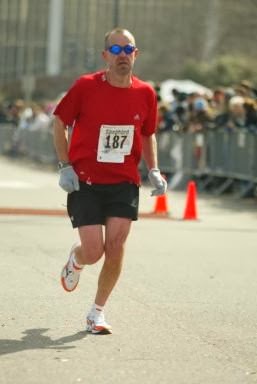
Ed Shepherd finishing the DC Marathon

About Ed Shephard:

Ed “Shep” Shephard is an accomplished runner and Cross Country/Track Coach. Shep was inducted into Westminster’s Athletic Hall of Fame for his accomplishments in Cross Country and Track including setting records in the 1500, 5000 and 10,000-meter runs. 


Shep has a passion for running, and has coached many runners to successful running careers in high school and beyond. He has coached multiple cross country runners and track athletes, from sprinters to jumpers, to the top 10 at States. 

Shep has successfully competed in races of all distances and is a fountain of knowledge in all things running related. He was the first coach Jesse Bender ever ran for, and they continue to run together. He is the person the Benders turn to for running advice. 

Full Body Workout: Strengthen, Sweat and Run

Standard

Hi Everyone!

This was my workout last night, and I really enjoyed this one. I came home from work feeling tired, took a quick nap, and woke up rejuvenated and ready to go!

I alternated cardio rounds in between each workout set. I ran on my treadmill, but the other option is to complete the jump rope workout video at the bottom of this post (1 round=6 minutes), or do another form of cardio of choice. The goal is to get your heart rate up, and work up a sweat. 

My cardio of choice today was mile repeats. I ran a total of 4 miles during this workout. 

Remember to always work to your level, and adjust the challenge to your needs. šŸ™‚

Enjoy the workout!
Melissa


Beginner: 10 reps
Intermediate: 15 reps
Advanced: 20 reps

*Cardio 

1. Surfer
2. Single Leg Step-Up (right)
3. Single Leg Step-Up (left)
4. Curtsy Lunge (right)
5. Curtsy Lunge (left)

*Cardio

1. Knee Drop Plank
2. Side Plank Elbow Tap (right)
3. Side Plank Elbow Tap (left)
4. Leg/Hip Lift
5. Bicycle

*Cardio

1. Twisted (Oblique) Push-up
2. Dips
3. Rowing Shrug
4. Tricep Push-up (right)
5. Tricep Push-up (left)

*Cardio

How to Use a Foam Roller to Decrease Post Workout Soreness

Standard


Hi Everyone!

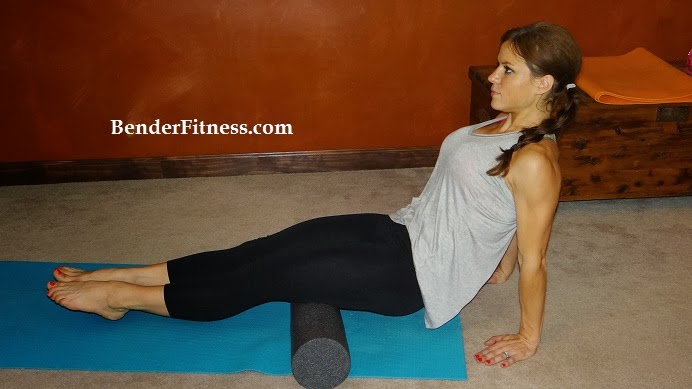
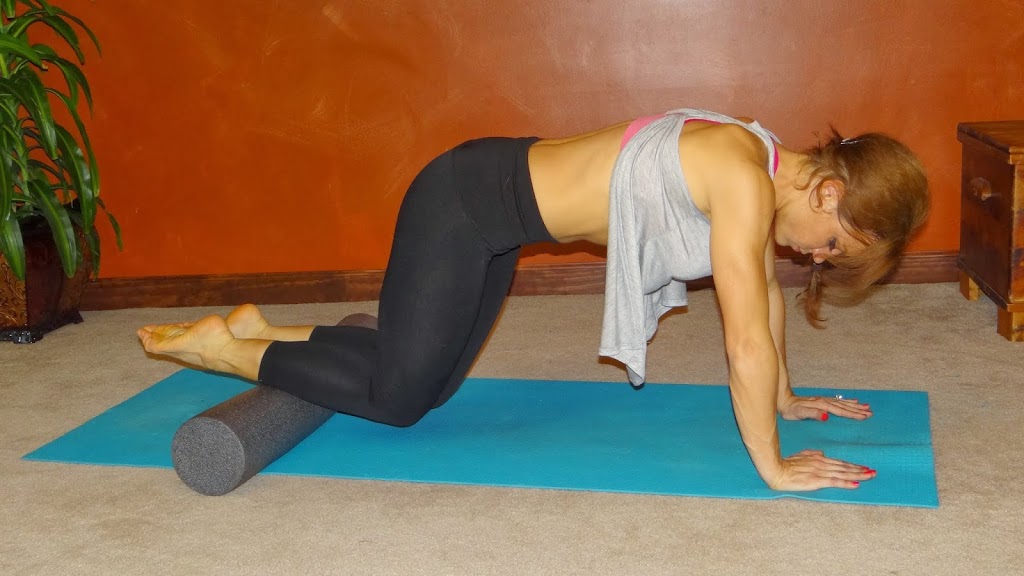
In this video I demonstrate how to use a foam roller to decrease pain in your shins, hamstring, calves, quads and shoulders. 

Foam rolling is a great way to give yourself a deep tissue massage. Foam rolling can breakdown scar tissue and adhesion’s that build up within your muscles, increasing blood flow and improving muscle flexibility. Foam rolling immediately after a workout, and following it up with static stretching can help prevent the build-up of scar tissue in your body. 

Improving your blood flow does more than speed up the healing process, it also increases your bodies abilities to provide oxygen and nutrients to your body. It helps prevent shortening of muscles which can lead to bio-mechanical issues and repetitive strain injuries.  

This simple tool can improve the speed at which you heal, and help prevent injury, and you can reap the benefits with as little as 5-10 minutes of foam rolling. 

The first time you try it it might feel painful. Try to pause on areas that feel tight. These are the areas that need your attention most. 

The benefits of taking care of your body are plentiful, so take a little time for yourself and foam roll. šŸ™‚

Melissa

HIIT It, Sweat It, Tone It: Home Workout and Weekend Update

Standard


Good Morning Everyone!

I woke up bright and early today, full of energy and ready to go. šŸ™‚ 

I planned on working out last night, but I unexpectedly worked 11 hours yesterday. That gave my ankle an extra day of rest. I will be filming a new workout today. Remember, missing one day doesn’t ruin your efforts or mean that it’s time to give up. 

Often people get thrown off course when they miss a workout. It can be hard to get back into the groove, but you can do it. You are creating a healthy lifestyle, and that requires flexibility. 

For those of you that can’t wait for today’s workout this is an older one that I really enjoyed. The day that I filmed this workout I followed it by 4 hill sprints. 

Enjoy the workout! There will be a new one posted later today. 
Melissa


All Levels: Max reps for each 60 second interval, 30 seconds cardio of choice between each exercise.  

*I wrote my cardio bursts in the breakdown, you can follow along with me or select your cardio of choice. You can select one form of cardio or alternate. 

1. Curtsy Lunge Hop
cardio: high knees

2. Mountain Climber Hop
cardio: burpee

3. Angel Abs
cardio: high knees

4. Sumo Pushups
cardio: Jumping Jacks

5. Leg Series (right)
cardio: high knees

6. Leg Series (left)
cardio: burpee

7. Temple Tap Abs
cardio: high knees

8. Frogger Crunch
cardio: Jumping Jacks

9. Chair Twist
cardio: burpee

10. Prone Heel Tap
cardio: burpee

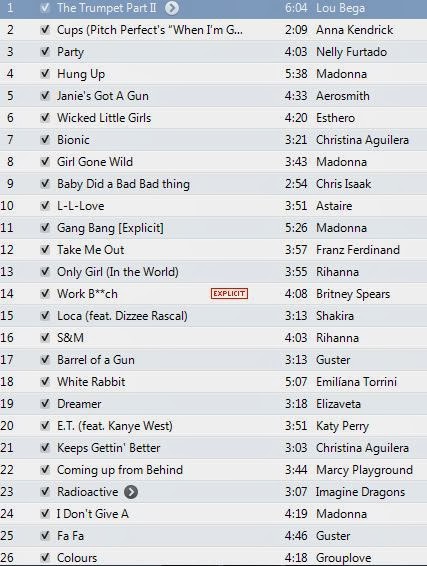
Half Marathon Playlist

Standard

Hi Everyone!

I love listening to music when I run. I don’t do it all the time, because I also love the meditative state that comes with running: the connection to the moment and each breath you take. 

For my half marathon I had a great playlist that kept me motivated the entire time. I kept it upbeat, and I put my i-pod on shuffle. 

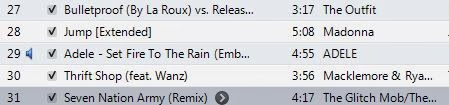
One of my favorites is always “Seven Nation Army” the Glitch Mob re-mix version. 


I made my playlist exactly two hours because I was confident that I would finish the race by that time. (Woohoo for surpassing that goal!)

I am always looking for new songs to add to my playlist, so if you have any recommendations feel free to post them in the comments below. 

Melissa

PS I tweaked my ankle at work on Monday, and it’s been a bit sore so I have taken the last few days off to let it heal. Taking time off is never fun, especially when the rest of you feels great, motivated and ready to go. It’s worth it to take a few days off and make sure you’re 100% healthy and healed in the long run. Planning a workout tomorrow. šŸ™‚ See you then!

My First Half Marathon!

Standard

Hi Everyone!

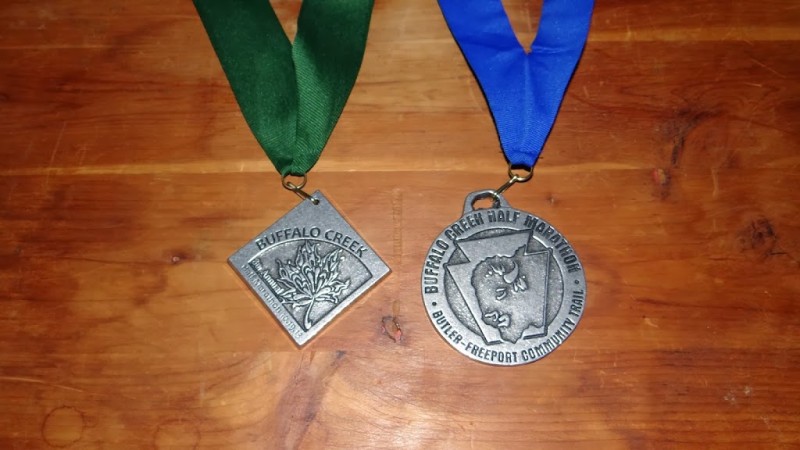
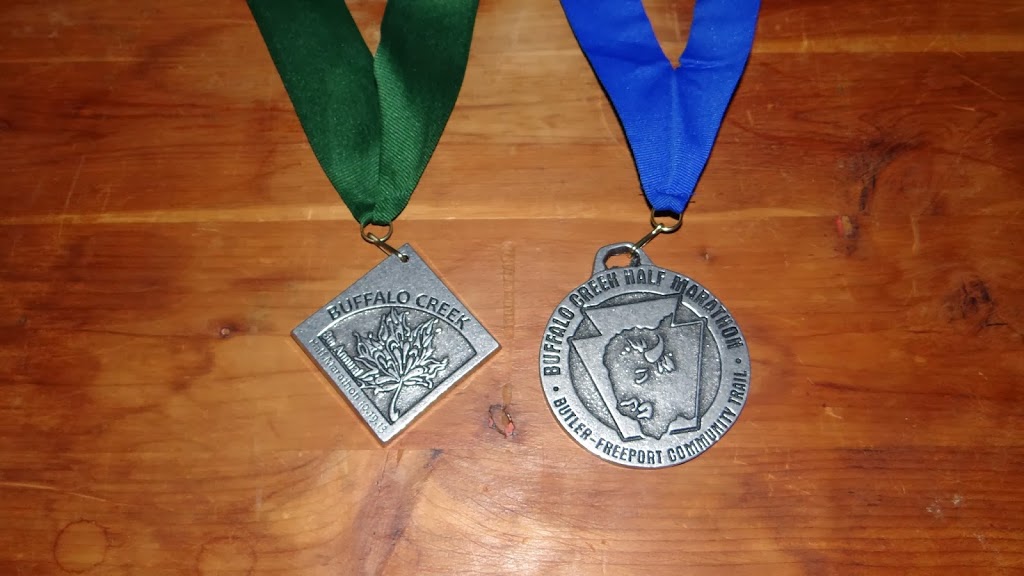
Four weeks ago I signed Jesse and I up for our first half marathon. Today was our day of reckoning. šŸ™‚

I am proud to say that Jesse responded to this new challenge beautifully. Jesse was a collegiate runner, but this is the first time that he has trained for a longer distance. In college all of his races were between 5-6 miles. The half marathon is more than double that. 

The result? 

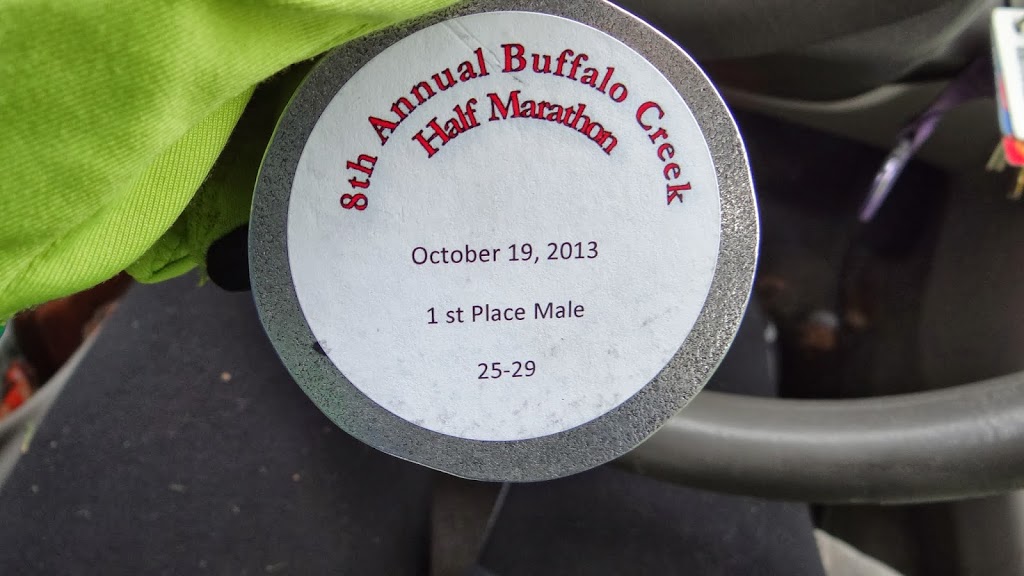
He ran 13.1 miles in 1 hour and 16 minutes!!!! That’s just insane. šŸ™‚ He won first place in his age group, and averaged 5 minute and 50 second miles the entire time. To top that off he was able to chat, and make jokes with another runner the entire way. 

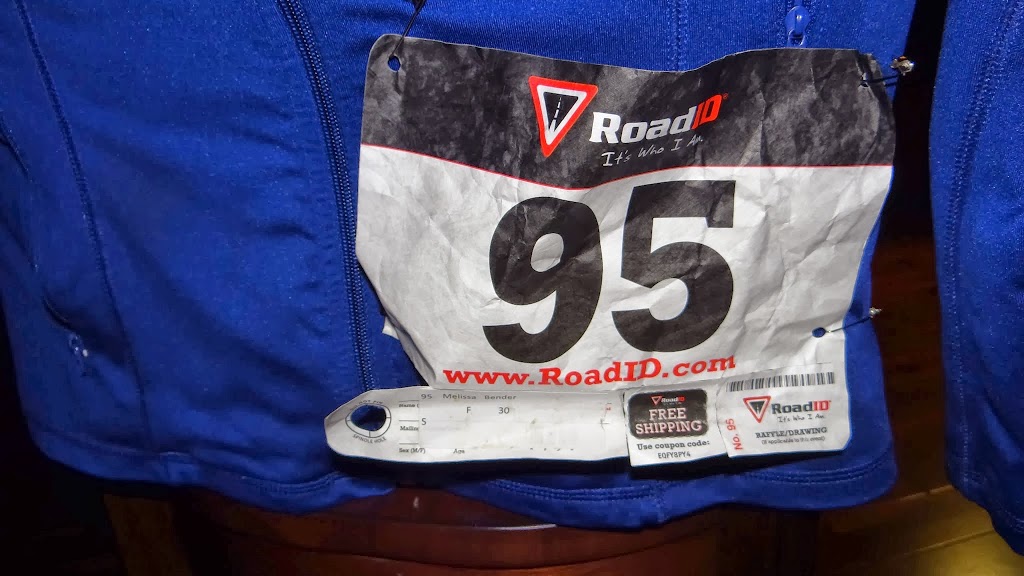
I don’t have anything nearly that exciting to report, but I was very happy with my first half marathon. I finished in 1 hour and 46 minutes, which is an average pace of 8:08 the entire time. The good news is I felt amazing the entire time. The bad news is that means I could have finished a lot faster! When I finished I felt like I had enough energy to do it again. I enjoyed the beautiful scenery, and I had a great playlist on my i-pod, but I didn’t push nearly as hard as I could have. I was nervous about not having enough energy in the second half of the race. 

My first mile was my fastest at 7 minutes and 21 seconds, and the whole time I was holding myself back to make sure I didn’t wear myself out to early. By mile two I was able to settle into a comfortable pace that I felt like I could hold forever. 


As I ran in the last mile I started passing people, and another runner cheered me on. As I passed him he yelled, “Go get it! You can do this!” 

Running is more than a sport. It’s a community of people with a common interest, and everyone there understands the hard work you have done to get to that point. 

To me the time that you finish in isn’t the most important part of the race. Getting out there and challenging yourself is what matters. Putting in the work that it takes to get there in the first place is what matters. In the end we all cover the same amount of distance. 

I didn’t get any pictures on my camera, but they took a lot of pictures at the race so as soon as they are available I will share them. 

Overall, I felt like a Half Marathon is the perfect distance for a race. It was easier for me than the pain of racing a 5K, and a short enough distance that I was really able to enjoy it. Running much of the race on a trail with a creek flowing alongside me, surrounded by beautiful trees and nature felt amazing. The temperature felt freezing when we waited to start (it was in the 40s), but as we ran it felt perfect. 

Have a good day! I am feeling a little bit tight today, but not sore so there will be a new workout. See you soon!
Melissa

Training to Race: What Kind of Runner are You?

Standard


Long runs give you a lot of time to think. As I was running, and trying to hit a specific pace for the first 5 miles of my run (which of course ended up being on a steady incline) I had a lot of time to ponder the type of training that I respond to best. 

Having had the opportunity to assist in coaching a high school cross country team, and watching Jesse and Shep coach together I have noticed that training needs to be individualized. 

One plan does not necessarily fit all. As an Occupational Therapist this idea is very familiar to me. All day long I modify different tasks to help people achieve their highest level of success and independence. This carries into my running and coaching. 

So what type of runner are you? You might recognize yourself in one of the descriptions below, or you might like to try out different methods and see which suits you best. If you are training for an event you should always incorporate easy runs, tempo runs, speed work, and hill workouts, but how you approach this workouts will vary. You may find that at different times in your training, the approach you prefer fluctuates. 

Pace Oriented: Many people respond to this type of training. This type of runner likes to know exactly what paces to hit, what their splits should look like, and focuses on achieving negative splits in their races (running the second half of the race at a faster pace than the first half). These runners often demonstrate an uncanny ability to mentally crunch numbers and vacillate accurately between miles, kilometers, meters and yards. They know exactly what their pace should be in each measure in order to hit their goal time in a race. 

If this describes you, the best way to structure your training is based on these goals. You might like Runner’s World’s Pace Calculator and Pace Wrist Band Creator which tells you what your times should be for each mile to hit a given goal time. 

Training: Incorporate pace related goals into all of your training. You should know your paces for the following:
 Easy: (talking) pace.
Race pace: The pace you can maintain for a race. 
Tempo pace: Comfortably hard, but sustainable for an extended period of time, typically 3-6 miles. 
VO2 Max pace: Your hardest working pace. The pace at which you are breathing hard and taking in the maximum amount of oxygen. 

Each type of run should have a numerical value/pace attached to it. 


Effort Oriented: Some people respond better to training which focuses on their perceived effort during exertion. Studies have shown that the RPE (Rate of Perceived Exertion) is a very accurate rating scale which can be used individually to determine how hard you are working. The Borg RPE scale is rated up to 20, however, a simpler scale of 1-10 is generally sufficient. 

Effort oriented runners will often focus on maintaining a certain level of effort in their races. For example, when running up hill their pace slows down as the level of effort goes up. Similarly, when going downhill they don’t relax, they keep their physical level of effort the same. 

This type of runner may respond well to training with a heart rate monitor, or may prefer to rely on their own physical experience of the pacing. 

The RPE scale is as follows:

0-1 No Effort. 
2-3 Light Exertion (stretching/warm up). 
4-5 Medium Exertion (you should still be able to talk comfortably). Easy Pace running. 
6-7 Moderate Exertion (harder breathing, able to carry on conversation in shorter bursts). Comfortably pushing, you are working hard, but know you can go harder. It feels good to know you don’t have to go harder. 
8-9 Hard Exertion (breathing heavy, able to say only a few words at a time. You should wonder how long you can maintain this pace due to increased level of effort). Race Pace. You are working hard, but you can maintain this pace/effort. 
10 Maximum/Hardest Level Exertion (as hard/fast as you can go. You should not be able to speak. Typically you can only maintain this pace for up to 1 minute). Sprinting. 

Training: Focus your training based on effort. Although you may still have a time goal for a specific event and know your goal paces, maintaining a certain level of effort is more important to your success than pushing to hit your miles at a specific time. 

Competitive Spirit: This type of runner responds best to running with a partner or group with a similar level of ability. In races this person is motivated to push as hard as they can to beat those around them. Training with others motivates them to run harder and faster so they can always be their best. 

Training: Train in a group, but be sure not to over do it! Easy days should still be easy, not a competition for who has the fastest easy pace. šŸ™‚ 

So what type of runner am I? 

I prefer effort based running. Time based goals make me feel anxious. If I don’t hit my goal times I feel like I failed at my workout. Instead of getting motivated, I become discouraged. 

I ran the same course 2 times over the course of a few weeks. The first time I did it I was aiming for a comfortable pace (based on effort) and I felt amazing the entire time. The second time I did it I had a pace goal: hit a certain pace for each of the first 5 miles of the run, followed by 5 miles of recovery. 

The results: in the goal pace run my average pace was 25 seconds slower than on my easy effort paced run!

Why? For me the problem was mental, and it happens pretty consistently when I focus exclusively on time. 

When I focus on effort my thought pattern is: “You can hold this pace forever!” or when the watch beeps that I ran a mile “That was easy. You can do that again 5 more times no problem!” 

When I focus on time my thoughts go something like this: “Oh God! I need to pick up the pace or I’m not going to hit my time!” Look at watch. “I’m not going to hit it this time, what the heck makes me think I can do this pace for 13.1 miles if I can’t even hit it on this mile in practice.” The anxiety affects my breathing, and takes away the joy and feeling of strength I normally get from running. 

Note: As with all of my workouts variety is the spice of life. I like to switch up my training, and try different goals. Don’t be afraid to challenge yourself in new ways. If one way isn’t working for you or giving you the results you are looking for don’t give up! I will continue to have pace based goals in some of my training, and I will get better at achieving them. I don’t want to lose my love of running so I will use more than one training technique. 

Happy Training!
Melissa


Half Marathon Training: Mileage

Standard


Hi Everyone!

My half marathon is 2 weeks and 2 days away! It is coming up fast!
This was my mileage from my first week of training: My First Half Marathon Training

I have continued training. All of my workouts are below.

Remember when running it is important to have a diet that supports your increased activity level. Carbohydrates are fuel for running. Carbs come in many forms: fruits, veggies, wheat, grains, etc. Be sure you are getting enough! Protein is also imperative for sustaining your endurance, and preventing muscle breakdown. Longer runs require more than just a strong cardiovascular system, it takes muscular strength and endurance. Food=Fuel. Make good choices!

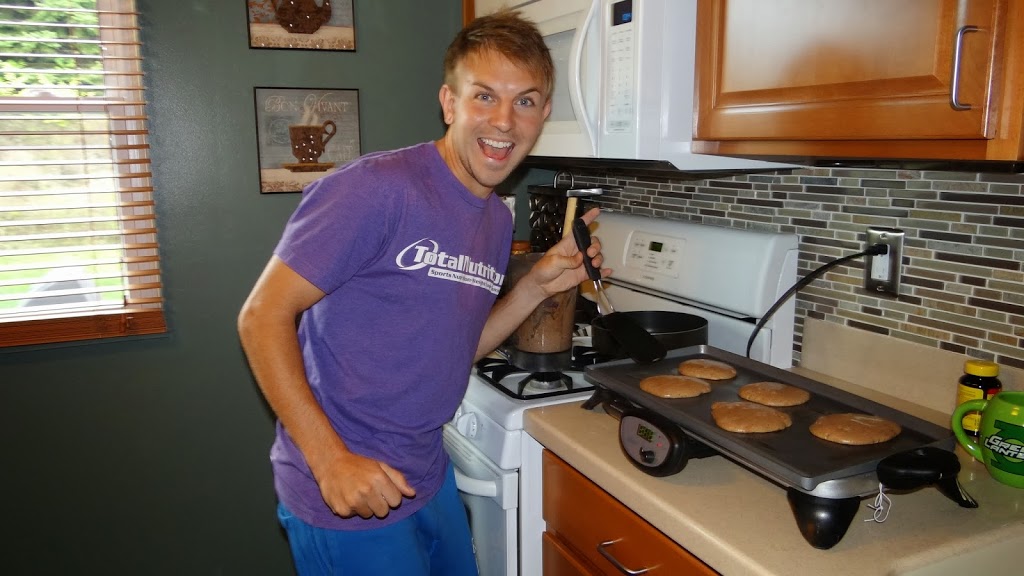
Jesse making Protein Pancakes

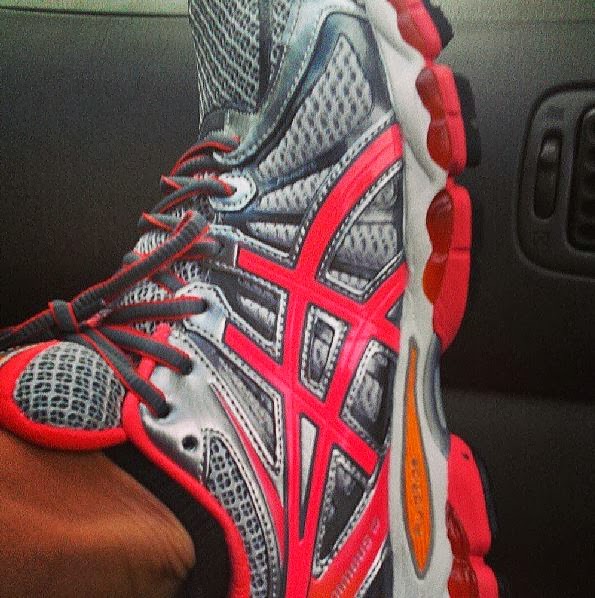
I will also be posting about shoes. I had to switch mine, because the first pair I got was to large. My feet were sliding, I got blisters, and soreness in my right arch. Remember to pay attention to your body’s signals. I returned my shoes (good running stores typically have a 30 day return policy), and haven’t had any issues since upgrading to the proper size. 


My mileage and workouts are below. I had to modify my plan slightly due to the soreness in my arch. Keeping my body healthy and well takes priority. šŸ™‚

Tuesday: Cross Country Challenge with 2 Mile Cool Down
5 Exercises to Strengthen Your Core
Run: 2.5 Miles at a challenging pace on a hilly cross country course. 
2 Mile cool down, easy pace on the same course. 

Wednesday:
Stretching for Runners: IT Band, Shin Splints, Hip Flexors, Back
3.1 Mile Walk on treadmill

Thursday:
Off
(*The arch of my foot was tender and I took 2 days off to heal). 

Friday:
Off

Saturday: Easy Mileage Builder
Sweaty 2 Sculpted: 10 Minute HIIT
4.52 Mile Run at a comfortable pace

Sunday: Longer Day with Sprints
7.65 Mile Run at a comfortably challenging pace followed by three sprints. 

Monday: Easy Recovery
Lower Body Shape and Strengthen
3.1 Mile Run Easy Pace

Tuesday: Interval Run with Heart Rate Monitor
4.68 Mile Interval Run
-5 Minute Warm Up
-5 Minutes Hard Pace
-5 Minutes Easy
-5 Minutes Hard
-5 Minutes Easy
-5 Minutes Hard
-10 Minute Easy 

Followed by 5 Minutes walking for cool down. 

Wednesday: Easy with Downhill Training
4.57 Miles at a Comfortable Pace with Downhill Training

*Training to maintain level of effort during downhill running. This will improve your overall race time, without consuming additional energy. Practicing downhill running can improve your running efficiency, and utilizes momentum. Be careful, you should always be in control of the movement, and run perpendicular to the ground. 

Thank you to everyone who has sent me race pictures on my facebook page! šŸ™‚ 
Melissa

Stretching for Runners: IT Band, Shin Splints, Hip Flexors & Back

Standard

1. Side Plank Hip Stretch (right)
2. Side Plank Hip Stretch (left)
3. Pigeon (right)
4. Pigeon (left)
5. 1 Leg Forward Fold (right)
6. 1 Leg Forward Fold (left)
7. Down Dog
8. King Arthur Pose (right)
9. King Arthur Pose (left)
10. Hip Opener
11. Runners Lunge (flexed to extended knee) (right)
12. Runners Lunge (left)
13. Back Stretch
14. Back Twist (right)
15. Back Twist (left)

Hi Everyone,

This is a yoga based stretching video for the lower body and low back. I created this stretch series to target areas that become tight with running and repetitive movements. It’s important to keep your muscles limber to prevent injury and speed recovery. 

With running, or any repetitive exercise movements, imbalances can occur in the body. When this happen your alignment is impacted (often in the form of an anterior or posterior pelvic tilt). This change in alignment can cause increased pressure on the knees and joints. 

There is a rumor out there that running will damage your knees and joints. This is not true. Running strengthens your bones and joints. However, if you are running with improper bio-mechanics and alignment you are repetitively using your joints and muscles incorrectly, and over time this can cause damage. 
Stretching, along with strengthening the antagonist muscle pairs can help prevent injury and keep you strong and safe. 

I had a tough workout planned for tonight, but the arch of my foot is feeling tender. I am taking tonight off to let it rest, and keep it from becoming an injury. I shared the Love HIIT: 10 Minute Dumbbell Workout on my facebook page today. It’s a good one! If you are looking for a challenging workout to try, check it out. 

See you tomorrow with a new workout!
Melissa

My First Half Marathon: Training

Standard
Thanksgiving 2012: 5 Mile Race with my sister. 


Hi Everyone,

At the start of the year I made a list of goals that I wanted to achieve this year. Check out the post here: Setting Goals for Success: Fitness and Life. Somehow my goal to do a half marathon didn’t make the original list (maybe I was afraid to commit to the training! Once I write things down there is no turning back!)

Next month my goal is becoming a reality. I have signed up for a Half Marathon on October 19th. I already know that this isn’t going to be my best race time-wise. Over the past several months life and obligations have significantly decreased my training, and my running has been practically nil. My speed isn’t where it has been in the past.

5K Race: Jesse-First place overall. Me-4th place female overall.

Guess what? I’m okay with that. I will not use it as an excuse to miss out on something I want to do. I will use this race as a starting point to see where I am, and set a time goal for my next race. Due to consistently training over the past several years I know that I can handle the distance. I have come a long way since I first started running: Running Made Me Cry…How I became a Runner

Running, especially running longer distances, makes me feel strong. It makes me feel that I am capable of anything, and no matter what comes my way I can handle it. 

In preparation for this race I am increasing my running mileage. I am including one long run per week, 1 speed day, and several easy runs. 

Over the past week and a half this is what my running schedule looked like:
(*This mileage is appropriate for someone who has established and progressively increased their mileage. I will be sharing a running plan for beginners soon!)


Sunday: Speedier Treadmill Day + Lower Body Blast: Shape, Burn and Sculpt
1 Mile-7 Minute Pace
rest
1 Mile-7 Minute Pace
rest
1 Mile Speed Walk-12 Minute Pace (I think running was easier!)
5 minute cool down

Monday: Rest Day

Tuesday: Easy Mileage Builder +Quick Stomach Toning Workout
6.03 Mile Run Outside at a comfortable pace.
Total time: 53 Minutes, 5 seconds. 

Wednesday: Treadmill Run Mileage Builder 
*During treadmill runs I increase the incline to approximately 2% to prevent back strain/injury. 
3 Mile Run Comfortably Challenging Pace
Total Time: 23 Minutes, 40 Seconds. 
1 Mile Speed Walk: 12 Minutes, 35 Seconds

Thursday: Cardio Cross Training
10 Minute HIIT Cardio Interval: Sweat Not Tears Repeated 2X

Friday: Rest Day

Saturday: Cross Train/Trying Out My New Running Shoes
Low Impact Body Sculpt: Tummy and Tush
Treadmill-with 2% incline. 
1 Mile Run: 7 Minutes, 24 Seconds
.75 mile walk: 10 Minutes
1.25 Mile Run: 10 Minutes
.5 Mile Walk Cool Down

Sunday: Long Run Day-Outside
10.04 Miles at a Comfortable (Talking) Pace
Total Time: 1 Hour, 27 Minutes

Monday: Easy Miles-Outside
4.02 Miles at a Comfortable Pace
Total Time: 35 Minutes

Today is Tuesday and I will be posting a new workout tonight, and updating my training schedule so be sure to check back! šŸ™‚ 

If you are racing or training for an event I want to hear about it! Let me know at: Melissa Bender Fitness: Facebook

See you soon,
Melissa


Running is a Building Process, NOT an APP

Standard
Running is a Building Process, NOT an APP
By Jesse Bender

Running is a building process. You do not simply add a running APP to your device and think you can clock a 15 min 5k (with or without your car). You find where your beginning base is and you build upon it….by RUNNING.  Every single person has different running capabilities. You find your base and you strengthen that level of endurance bit by bit to reach YOUR goals. Once you accept that you must build yourself towards your running goals, then you’re mentally ready to handle the challenges that you’ll face as a runner.

 How do I find my base? You find your base by running (preferably with someone else during the beginning stages for safety-sake) a shorter distance; say 1-2 miles (4-8 laps on a 400 meter track) or go for about 10-20 min on a treadmill. 

When you run, make sure the pace is easy enough on you that you could carry a conversation. Pay attention to how you feel every step of the way! If you feel overwhelmed and need to walk…guess what you future running badd-arse, WALK! DON’T LET YOUR PRIDE DECIDE!!!!  Switch between walking & running to accomplish the distance. You can try the 50/50 technique to build-up  Do NOT try to compete with someone else! This is all about YOU!  Finish the distance, and if you have a heart-rate monitor by golly-gee use it use it use it use it!! When you see how you feel at the end of the run, you can now establish your base.

Your next few weeks will be focused on building that endurance to handle the mileage. ā€œOk, what the heck does that mean?ā€ It means, do NOT focus on running sprints just yet.  During your beginning phases to BUILD, work on building your endurance to be able to RUN as much of a goal distance. For instance,  if you are going to be running a 5k in 2 months but, you’ve never ran more than an aisles-length  at Wal-Mart to grab the last box of Cracked-Pepper Triscuits, then use that first month to build your running-endurance to be able to run for 3.1 miles. Again, if you NEEDED to walk at any point during the race, JUST walk! Running is a building process, so aim to complete a 5k without walking for your Next race! Back to the point, each week (using that first day 1-2miles or time on a treadmill as your basis) incorporate some days to run for shorter distance and some to run longer until you’ve reached running for a full 5k.

Running is a constant building process. Whether this is your first running plan or if you are getting back into the sport from a 10 year hiatus, it doesn’t matter. The rules remain the same for EVERYone! Find you base, build up that base, and keep challenging yourself to go further & faster. Please, feel free to message us about any running questions/comments/concerns/ideas! We LOVE to meet new people and help them reach fitness goals! See you at Benderfitness.com, and on Facebook at Team Bender and Melissa Bender Fitness !!! 


Running: Warm-Up, Cool-Down, and Strengthening

Standard
Hi Everyone!

Today Jesse is taking us through his pre-run warm up routine. He demonstrates the different movements that he uses with the cross country team he helps coach. He also shares some post run stretches, and core exercises to improve your running form/speed. 
Gambit didn’t want to miss a photo op. šŸ™‚
This is really great information to help keep you injury free. Jesse is my running inspiration. He is incredibly talented and knowledgeable about the sport, yet despite his athletic prowess he remains humble. He helped coach me to a love of running. Check out: Running Made Me Cry…How I Became a Runner.

If you have running questions let us know! Post them in the comments below or on facebook

Enjoy!
Melissa

HIIT, Sweat It, Tone It: Home Workout and Hill Sprints

Standard

Hi Everyone,

One round of tonight’s workout takes 15 minutes. This workout can be repeated up to 3 times. If you are repeating be sure to take a quick break in between rounds. 

With any workout you get the best results if you warm up first. When your body is warmed up it is already working at a higher level, which leads to boosted metabolic benefits. It is especially important to warm up before HIIT workouts so your cardiovascular system is ready to work at a high level. If I forget to warm-up the number of reps on my first round is always significantly lower than my reps on the second round, when my body has adjusted to the effort. 

I went through this workout once, and followed it with 4 hill sprints. I timed my sprints: 
Sprint 1: 18 seconds
Sprint 2: 18 seconds
Sprint 3: 18 seconds
Sprint 4: 17 seconds

In between each sprint my rest time was walking back down the hill.

Hill sprints should be based on your fitness level. Beginners: 10 seconds, Intermediate: 15 seconds, Advanced: up to 20 seconds. The goal is to run as hard as you can, while keeping in mind that you have to repeat it. You want to maintain your pace throughout the workout. The short duration of these sprints helps prevent injury, while maximizing calorie burning, and speed/strength building. Also, sprinting uphill is safer for your body than sprinting on flat surfaces. The angle of the hill decreases your risk of pulling a muscle and teaches you appropriate running form. 

Never start hill sprints before warming up. I did them immediately after this workout so my body was ready!

Enjoy the workout!
Melissa


All Levels: Max reps for each 60 second interval, 30 seconds cardio of choice between each exercise.  

*I wrote my cardio bursts in the breakdown, you can follow along with me or select your cardio of choice. You can select one form of cardio or alternate. 

1. Curtsy Lunge Hop
cardio: high knees

2. Mountain Climber Hop
cardio: burpee

3. Angel Abs
cardio: high knees

4. Sumo Pushups
cardio: Jumping Jacks

5. Leg Series (right)
cardio: high knees

6. Leg Series (left)
cardio: burpee

7. Temple Tap Abs
cardio: high knees

8. Frogger Crunch
cardio: Jumping Jacks

9. Chair Twist
cardio: burpee

10. Prone Heel Tap
cardio: burpee

Quick Workout

Standard


Hi Everyone!

I had big plans for my workout schedule this week, but allergies got the best of me! As soon as I got home from work yesterday I went to sleep, woke up long enough to have some chicken soup (home cooked by my mom!) and then went back to sleep. 

I am feeling a lot better today, but still congested, with lots of sinus pressure. I took a few days off, and although I don’t feel 100% I felt well enough to get in a workout. 

I did a 3.5 mile run outside at a comfortable pace, and followed it with this quick workout. This workout is great for runners because it helps strengthen and stabilize the muscles that support running. 

I am planning a good workout for tomorrow. šŸ™‚

Melissa


Begginer: 10 reps
Intermediate: 15 reps
Advanced: 20 reps

1. Heel Tap Abs
2. Slow Pushups
3. Oblique Hip Drop, Elbow Tap (right)
4. Oblique Hip Drop, Elbow Tap (left)
5. Step Up (right)
6. Step Up (left)

Repeat 1-3X

Jillian’s Marathon Training, Diet, and Shakeology

Standard

Hi Everyone! 

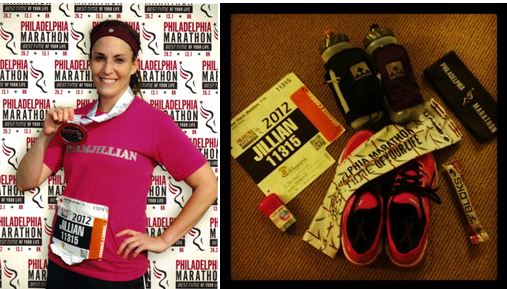
My friend Jillian is running in the Pittsburgh Marathon on May 5th. She has agreed to give you all a glimpse into her marathon training and diet. I am thinking about doing a half or full marathon so I was super excited when she agreed to do a guest blog post! It also means you get to see a throwback picture of Jillian and I circa 2005 when we were on a dance team together. Where were my arm muscles? šŸ˜‰

Melissa
Hello Bender Fitness enthusiasts!  My name is Jillian, and I want to thank Melissa for giving me the opportunity to write a guest post on her blog!  I am currently training for my second marathon, which will take place in Pittsburgh on May 5.  I’m also a group fitness instructor and Independent Team Beachbody Coach (Beachbody is the company that sells popular workout programs like Insanity, P90x and TurboJam).  Melissa asked me to write a little about my marathon training and nutrition plan, so here I am – I hope you guys find this information useful!

I’ll start out with a little background of how I got where I am today.  Growing up, my after school activities were non-athletic.  I was a bit of a nerd in more than one way – I was on the mathletes team, reading Olympics team and I was drum major of the marching band.  I did go to a private dance school once/week, but it’s safe to say that I was studying a lot and not being active.  When I got to college, I started to take an interest in increasing my activity level, mainly to avoid the Freshman 15 J.  I would run on the treadmill and lift some weights, but it was never with any regularity.  It wasn’t until I moved to Pittsburgh for grad school that my passion for fitness really evolved.  A friend of mine asked me to take a yoga class with her at Carnegie Mellon.  Sure!  Why not?!  Well, don’t tell Melissa, but I HATED yoga!  I wanted to SWEAT and MOVE!  So here I was, with nine more punches left on my group fitness pass.  The next class I tried was Step Aerobics, and I’ll be the first to tell you – I was HOOKED!!  Over the next two years, I couldn’t get enough step aerobics!  I was still running a little and lifting weights too, but I just LOVED Step Aerobics.  It wasn’t long before I decided that I just HAD TO TEACH Step Aerobics, so I got trained by another step aerobics instructor, and the rest is history.  Fast forward about 7 years and I now teach Step Aerobics, boot camp classes, TurboKick, Hip Hop Hustle, Les Mills Bodypump and Beachody’s Insanity (my most recent addition to my repertoire).  I can’t get enough group fitness, and yes, I even learned to appreciate yoga eventually too!
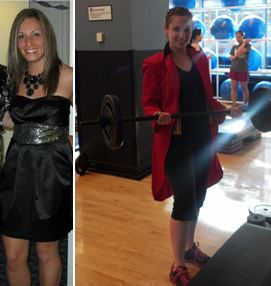
About two and a half years ago, a friend of mine asked me to run a 10k with her.  I’m always up for a challenge, so happily agreed!  I never really ā€œlikedā€ running, but always loved that feeling of accomplishment you get when you finish a run and reach a goal.  After the 10k, I signed up for the Broad Street Run in Philadelphia, which is a 10 mile race.  I didn’t really have trouble training for that race, so I figure the next logical step was a marathon.  Right?  Seems logical…  Running a marathon had always been on my ā€œbucket listā€ and it just felt like the right time.  I began training for my first marathon in June 2012.  I just wanted to get into the habit of running 4 times/week, with a long run (about 10 miles) on the weekend.  I started Hal Higdon’s Marathon training plan (a blend of Novice 1 and Novice 2) in July, and followed it to a ā€˜T’.  I had some good runs and some bad runs, but overall I felt ready for race day.  I also taught group fitness classes twice/week and worked in some Bodypump or P90x (both strength training) when I had the time.  I finished my first marathon with a time of 4 hours and 46 minutes.  It was a little slower than what I had trained for, but I finished and nothing can take away that feeling when you cross the finish line!  It took less than 8 hours for me to think about signing up for another marathon – I felt like I had unfinished business and wanted to work on my time.  Once I recovered from the Philly marathon, I signed up for the Pittsburgh marathon.  I kept the training schedule the same, but I added a weekly sprint workout to the schedule.  I also made the time to keep up with my cross training, instead of just fitting it in when I found the time.  This past weekend, I completed my longest run of my training plan (22 miles), and now it’s time to taper!
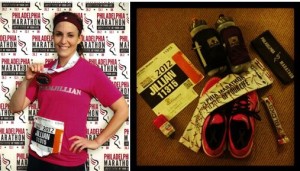
When most people think of marathon training, they think things like ā€œcarb-loadā€, ā€œpizzaā€, ā€œpastaā€ and ā€œeat whatever you wantā€.  While that may work for some people, I didn’t want to completely abandon my ā€œclean eatingā€ habits.  I can confidently say that throughout two cycles of marathon training, I didn’t do any of those things.  I kept up with a high(er) protein and mostly clean diet, while increasing how much I was eating when my training called for it.  When I’m not training for a marathon, I tend to split up my calories so that 30% come from protein, 40% come from carbs and 30% come from healthy fats.  For the first half of the 18-week training plan, I can generally keep up with this breakdown, however, once the long runs start to creep over 13 miles, I try to increase my carb intake to 50% and drop my healthy fats down to 20%.  In the two days before a SUPER long run (18 miles or more), I might up the carbs to even 60%.  For me, my ā€œcarb-loadingā€ or increasing my carb intake consists mainly of fruits and vegetables.  Through my entire training, I’ll have 2-3 cups of fruit salad with my lunch each day.  I LOVE fruit and can’t get enough of it.  I also LOVE squash – butternut squash and spaghetti squash have been my favorite things to eat when preparing for a long run.  If I need a carb boost the morning of a run, I’ll have dried fruit and/or cream of wheat.  Except for training runs over 16 or so miles, I don’t need to eat while running (only drink electrolyte water).  If I do need to eat while running, I’ll eat Clif Shot Bloks for sugar.  I liked having my electrolytes and sugars separate (rather than together as then come with Gatorade), so that I could drink a lot without getting the sugar. 

In general, I use Michi’s Ladder as a guide for my diet – trying to eat mostly things from tiers 1&2, some from 3 and avoid foods on tiers 4&5.
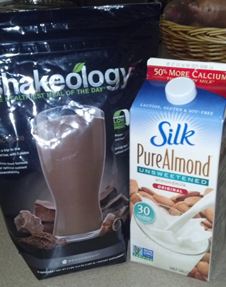
I don’t follow it perfectly, but I like to check in with it every once in a while to make sure I’m not getting off track.  I also like to plan my meals ahead, so that I’m not making last-minute decisions and reaching for things that might derail my whole training plan.  I like to eat small meals with lots of snacks so that I’m never overly full and never too hungry.  Other than fruits and veggies, I eat lean meats, fish, low fat dairy and whole grains.  However, the biggest asset to my diet through marathon training and weight loss programs has been Shakeology.   Shakeology is a Beachbody product that is so many things wrapped into one protein shake.  Shakeology can be a meal replacement or a protein shake, but it’s really a lot more.  For me, it has replaced my multivitamin, helped me get at least 5 servings of fruits and vegetables, helped me maintain a healthy weight, improved my digestion and increased my iron levels, giving me so much more energy!  It also made my hair and nails grow faster (and stronger)!  When I first started drinking Shakeology, I lost 5 pounds in 2 months by replacing my breakfast and continuing my workout schedule.  Although I haven’t experienced this myself, it has also been shown to assist people in lowering their cholesterol and blood pressure.   Some people don’t like the taste immediately, and that’s okay – it’s likely because it’s probably something your body isn’t used to, but in time, you start to crave it.  If you get the consistency right, it tastes like chocolate ice cream!  Each batch is quality tested and hand packed to protect the ingredients from altering due to machines.  Natural sweeteners keep you at a super low level on the glycemic index, reducing the likelihood of insulin levels rising making you crave more food, specifically sweets, eventually aiding in weight loss.
Watch this video to learn about all of the fantastic ingredients in Shakeology:
And this one to learn about physicians who support Shakeology:
Shakeology comes as whey protein or as a vegan shake using brown rice and pea protein.  The whey protein comes in chocolate and greenberry flavors and the vegan protein comes in chocolate and tropical strawberry flavors.
To learn more about Shakeology, ask about samples or how you can get discounts, you can contact me and in the meantime look over the information on this website:
I also run challenge groups to help people meet their health and fitness goals.  A challenge group is a 30, 60 or 90 day fitness challenge, run through a private Facebook group.  As a member of the group, you’ll have a place to check-in, share tips, exchange recipes and find motivation, all as a way to be held accountable so that you can meet your health and fitness goals.  Sometimes everyone in the group will be following the same workout program, but other times, we’re all doing something different.  Melissa’s workouts are GREAT for challenge groups!  My goal is to help people achieve their goals and enjoy a healthy, fulfilling life, whether it’s helping someone find workouts that fit into their schedules and/or nutrition plans that they like.  I hold people accountable to create a manageable path towards meeting their goals.
I would love to hear from anyone who is interested in learning more about Beachbody, Shakeology or becoming a coach themselves or anyone who has questions about training for a marathon.  If you have general questions about setting and meeting a health or fitness goal, please contact me also!  You can shoot me an email at jillian.tengood@gmail.com, find me on facebook (https://www.facebook.com/jillian.tengood) or hit me up on twitter @FitYaf!  Also, let Melissa know if you guys want to hear more about a specific part of my training!  Happy sweating!

Jump Away Your Jiggle and 800 Meter Running Interval Workout

Standard
Hi Everyone!
My workout from last night is posted below. This is a great fat burning, and toning workout. I paired it with a running workout, so I only went through it one time. If I hadn’t paired it with a running workout I would have repeated it up to three times. 

This series of exercises utilizes compound moves for a full body workout. Keeping the rest time in between each exercise short also increases the calorie burn of this workout. 

I paired this with an 800 meter repeat workout. I completed my run in 800 meter (half mile) increments. I chose a challenging pace, and ran this on the treadmill. It can also be completed outside. If your local high school or college has a standard sized (400 meter) track that would be two loops around the track. 
I ran six 800s, with short rest breaks in between each half mile. I kept my rest breaks in between each interval to about 1:30 to 2 minutes. When you are first starting with this type of workout you should keep the rest breaks equal to the running time. For example, if you run an 800 in 4 minutes, rest for 4 minutes before the next one. As your cardiovascular system progresses you will be able to decrease the amount of rest time in between intervals. It is important to select a pace that is challenging to you. I followed my run with a walk to cool down. 
My workout breakdown was as follows. Remember, if you try this workout select an appropriate pace for you. Also, be sure to warm up! (.5 Miles=800 Meters)
1. .5 Miles: 3:02 Minutes (Treadmill speed 10, Incline 1)
Break
2. .5 Miles: 3:15 Minutes (Speed 9.5)
Break
3. .5 Miles: 3:07 Minutes (Speed 9.6)
Break
4. .5 Miles: 3:00 Minutes (Speed: 10.1)
Break
5. .5 Miles: 2:58 Minutes (Speed: 10.1)
Break
6. .5 Miles: 2:56 Minutes (Speed 10.2)
Total Distance: 3 Miles
Total Run Time: 18 Minutes, 18 Seconds

I find that I always have more energy as the run progresses so I picked up the pace a little bit. The first mile or so of a run is the hardest for me, as my body warms up and transitions into running mode. Jesse tells me that is the sign of a true distance runner. šŸ™‚ 

I hope you guys enjoy the workout!
Melissa


Beginner: 10 reps, 30 second interval
Intermediate: 15 reps, 45 seconds,
Advanced: 20 reps, 60 seconds

1. Mountain Climbers (timed)
2. Lunge Jump
3. 3-Way Frogger
4. Squat Jump
5. Spiderman Push-ups
6. Lunging Side Kick
7. Plank Reach Stretch
8. Ninja Jump
9. Knee Drop Plank
10. Knee Tap

Repeat 1-3X

Spice Up Your Cardio Routine

Standard
Hi Everyone,

You may have noticed that I like variety in my workouts, which is why I have shared over 300 different workouts with you in the past 16 months. The same is true of my cardio. I don’t repeat the same cardio routine day after day (boring!). 
Many people swear by fasted cardio, and do their running or walking in the morning before having breakfast. I always eat something before working out. This is an individual decision, and you should take into account how your stomach reacts, and what your energy level is like during your workout. If I don’t eat something I feel like I have no energy. 

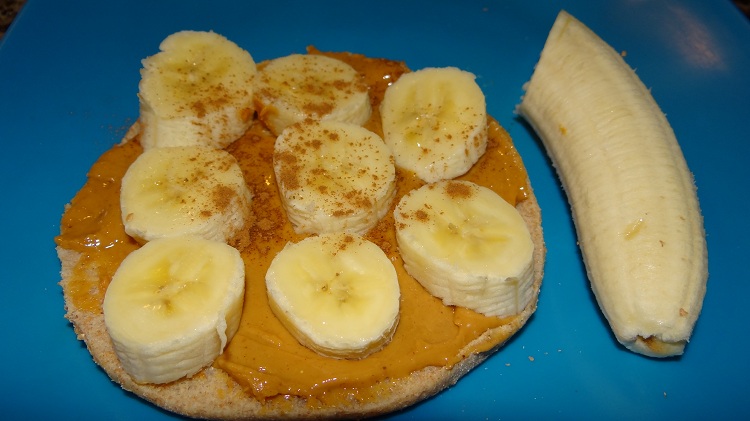
A typical pre-workout snack for me is a banana cut in half with some organic peanut butter spread over it, or a whole wheat sandwich thin or slice of Ezekiel bread with peanut butter. Sometimes I combine the two, and make a small PB Banana sandwich. If I am feeling particularly tired I also have a small cup of coffee with some coconut milk. This is also my normal pre-race meal. 
When deciding what type of cardio to do each day I take into account any additional workout that I have done, how my body feels, and what I did the day before. For example, if my workout of the day is a high intensity interval workout (HIIT) I will most likely walk, or do steady state cardio at an easy pace on the treadmill. If the HIIT workout was particularly intense or consists of multiple rounds I count that as my cardio, and don’t add anything additional. 

Walking:

When walking on the treadmill I love to use the incline function to increase the intensity of the workout. Walking on an incline is a great way to increase your heart rate and cardiovascular function. You can also double the amount of calories you burn, as compared to walking on a flat surface. 

I generally start with 1-2 minutes with no incline for all walking to warm up, and I keep the pace around 4.0-4.2. 

Walk 1 (Total Time 35-45 Minutes): 

-Minutes 1-2: No Incline. 
-Minutes 2-10: Select a challenging incline that makes you sweat, increases your heart rate, and breathing. 
-Minutes 10-12: No Incline.
-Minutes 12-20: Increase the incline challenge by 1-2%. 
-Minutes 20-22: No Incline or very low incline (1.5-2.5%). 
-Minutes 22-30: Moderate Incline.

Cool Down: 5 minutes at no incline, decreasing to a comfortable pace. 

Walk 2: Incline Intervals (Total Time 30-45 Minutes)
-Minutes 1-2: Warm Up, no incline comfortable pace. 
-Minutes 2-30: Alternate incline every two minutes, varying between very challenging, and easy paces. 
-Cool Down: 5 minutes walking at a comfortable pace, allowing your heart rate to return to normal. 

Walk 3: Incline Challenge (Total Time 20-35 Minutes):

-Minutes 1-2: Warm Up, no incline, comfortable pace. 
-Minutes 2-15 (or 30): Maximum incline that you can maintain for an extended period of time. 
-Minutes 15-20 (or 30-35 for longer workouts): Cool Down, no incline, comfortable pace. 

Running:
For the purposes of this post I will stick to describing indoor running on the treadmill. In the warmer months I do 99% of my running outdoors. 

Run 1: Steady State Cardio (30 Minutes): 

-Warm Up.
-Minutes 1-30: Run at a comfortably challenging pace. You should be sweating, but should be able to carry on a conversation. 
-Cool Down: 5 Minutes

Run 2: 3 Mile Pace Climber (Time varies depending on your mile pace):

-Warm Up. 
-Mile 1: Comfortably Challenging/Conversation Pace. 
-Mile 2: Increase the speed to a pace where you can still talk, but it is challenging. 
-Mile 3: Race Pace speed. 
-Cool Down: 5 minutes

Run 3: Treadmill 5K (Time varies depending on mile pace):

-Warm Up
-Select a pace that is reflective of your 5K (3.1 mile) race pace, or slightly faster. If you are training to increase your 5K speed you can decide based on your goal pace and progress from there. Complete 3.1 Miles at this pace. 
-Cool Down: 5 minutes. 
-Run 4: 3 Mile Interval (Time Varies):

-Warm Up. 
-Mile 1: Comfortable Pace.
-Mile 2: Race Pace.
-Mile 3: Comfortable Pace
-Cool Down: 5 Minutes. 

Run 5: 30 Minute Interval Variation (30 Minutes):

-Warm Up.
-Vary Interval every 1-2 minutes, alternating between easy, and challenging paces. 
-Cool Down. 

Run 5: Long Run:

*I typically do my long runs outside, even in the cold months, but they can be done on a treadmill. 

-Run at a comfortable pace for desired distance or length of time. This can vary from 45-60 minutes for me on the treadmill. Outside I focus on miles and will do 8-13 miles. 

Need Motivation:

-Sign Up for a 5K, 10K, or a Half Marathon in your area! Every time you run or walk you will know that you are training for something. It can be a great motivator to train and stay consistent with your cardio!

If you liked this post you may also like: