Why I Have More Pride in My Slowest Half Marathon than my Fastest

Standard

Note: For this week’s workout schedule Click HERE

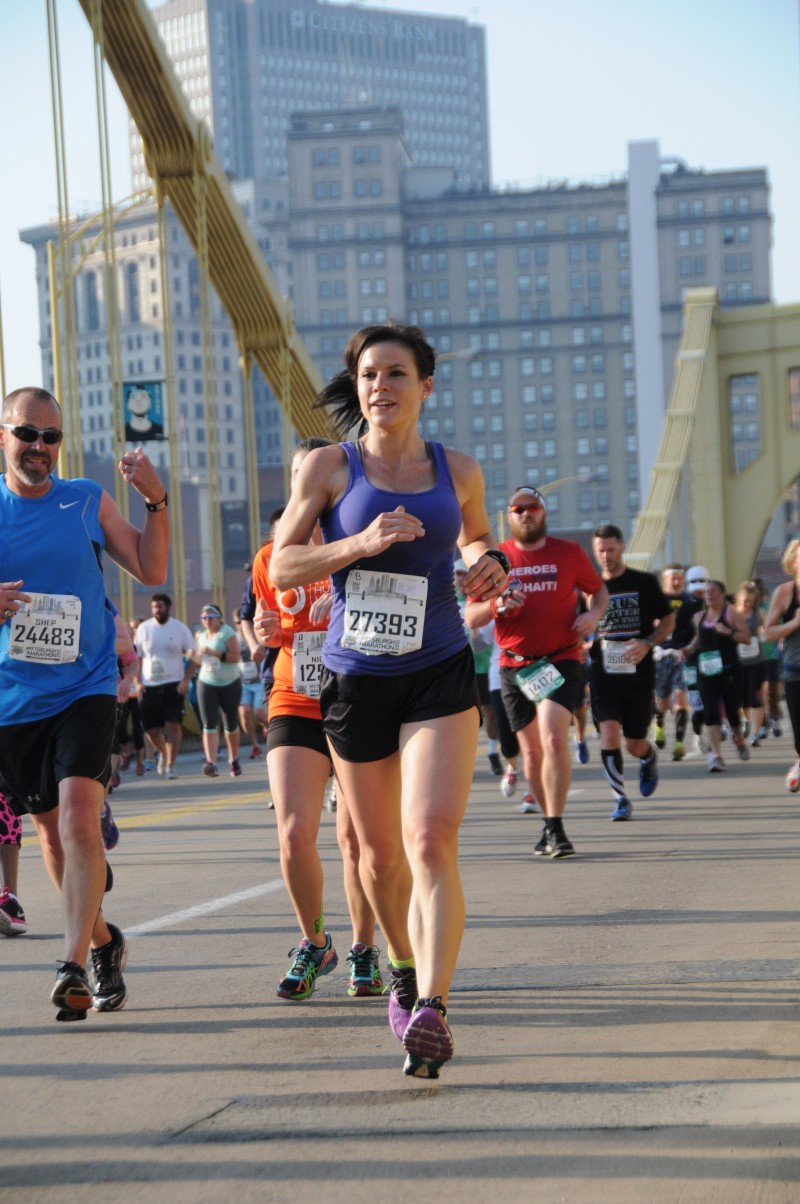
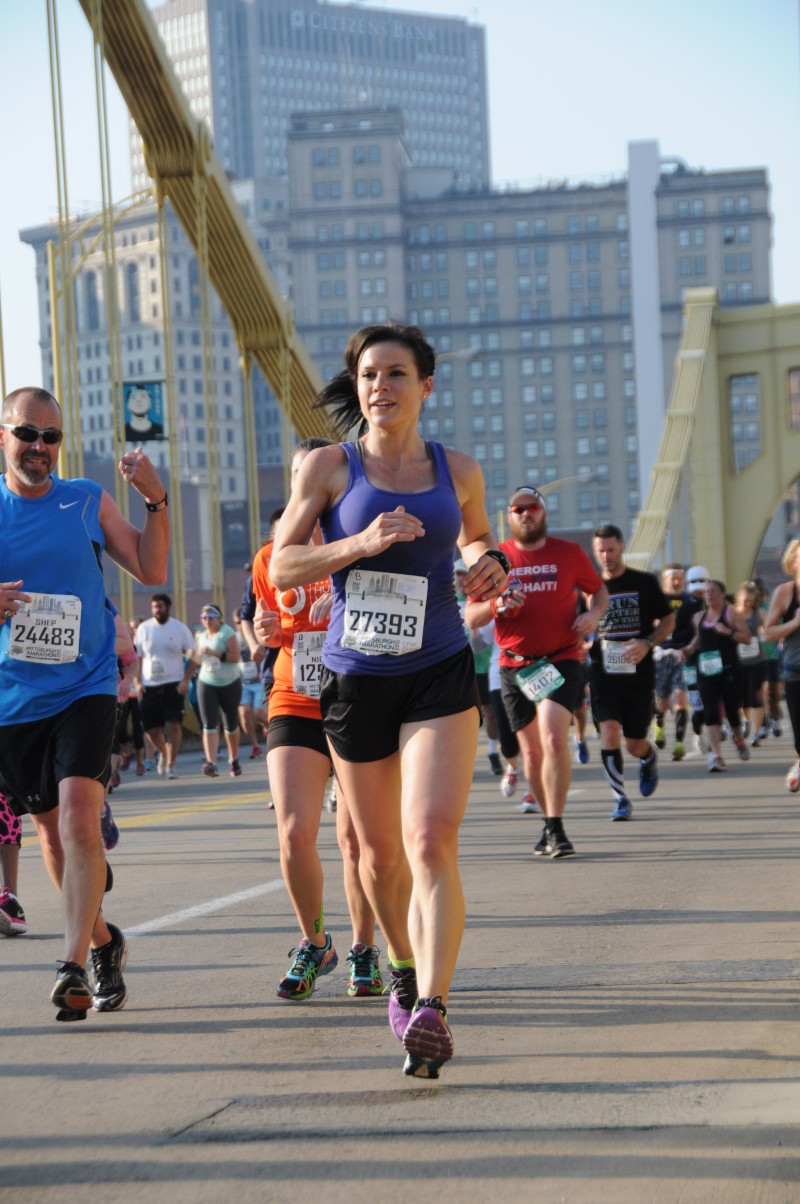
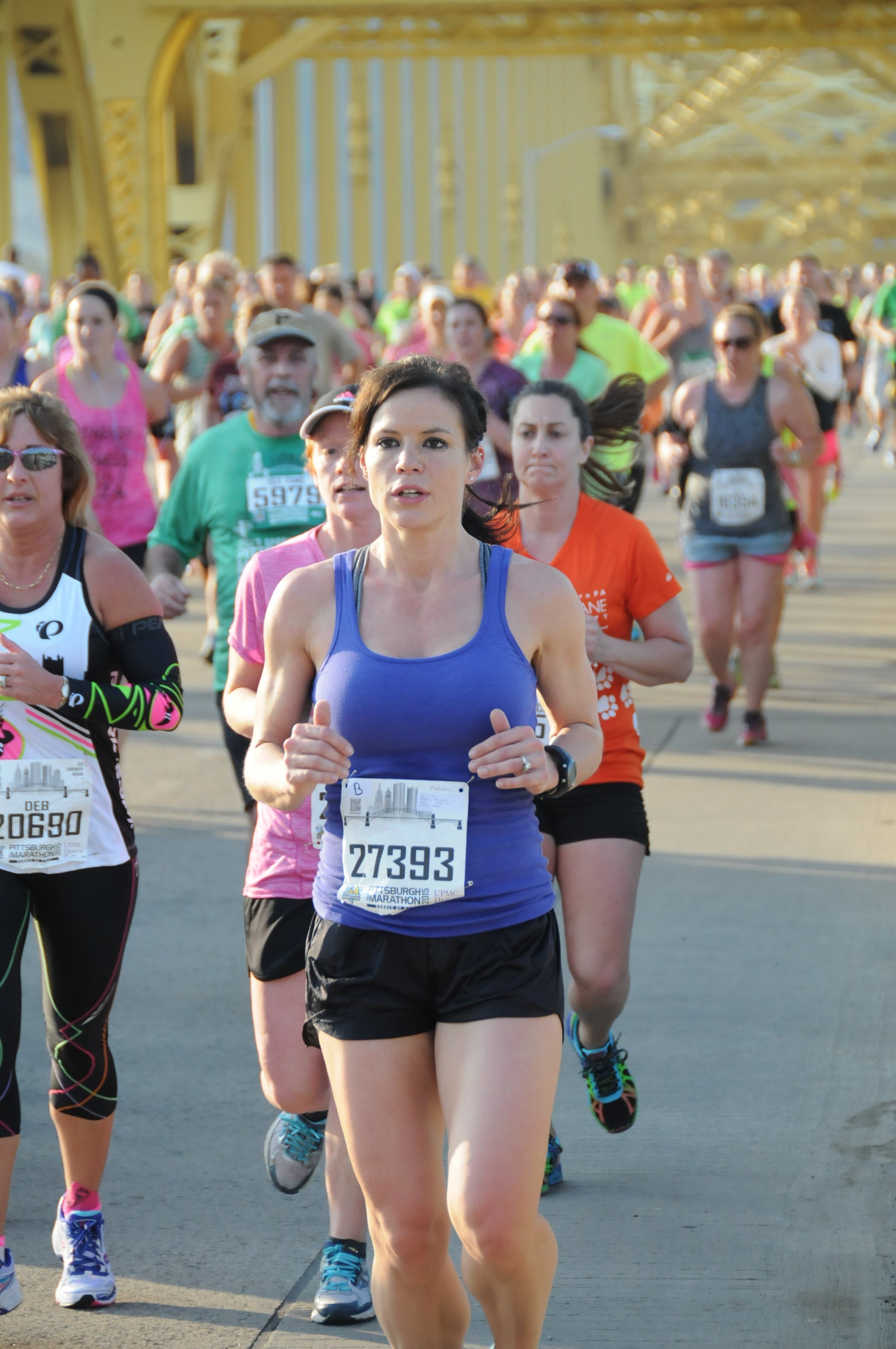
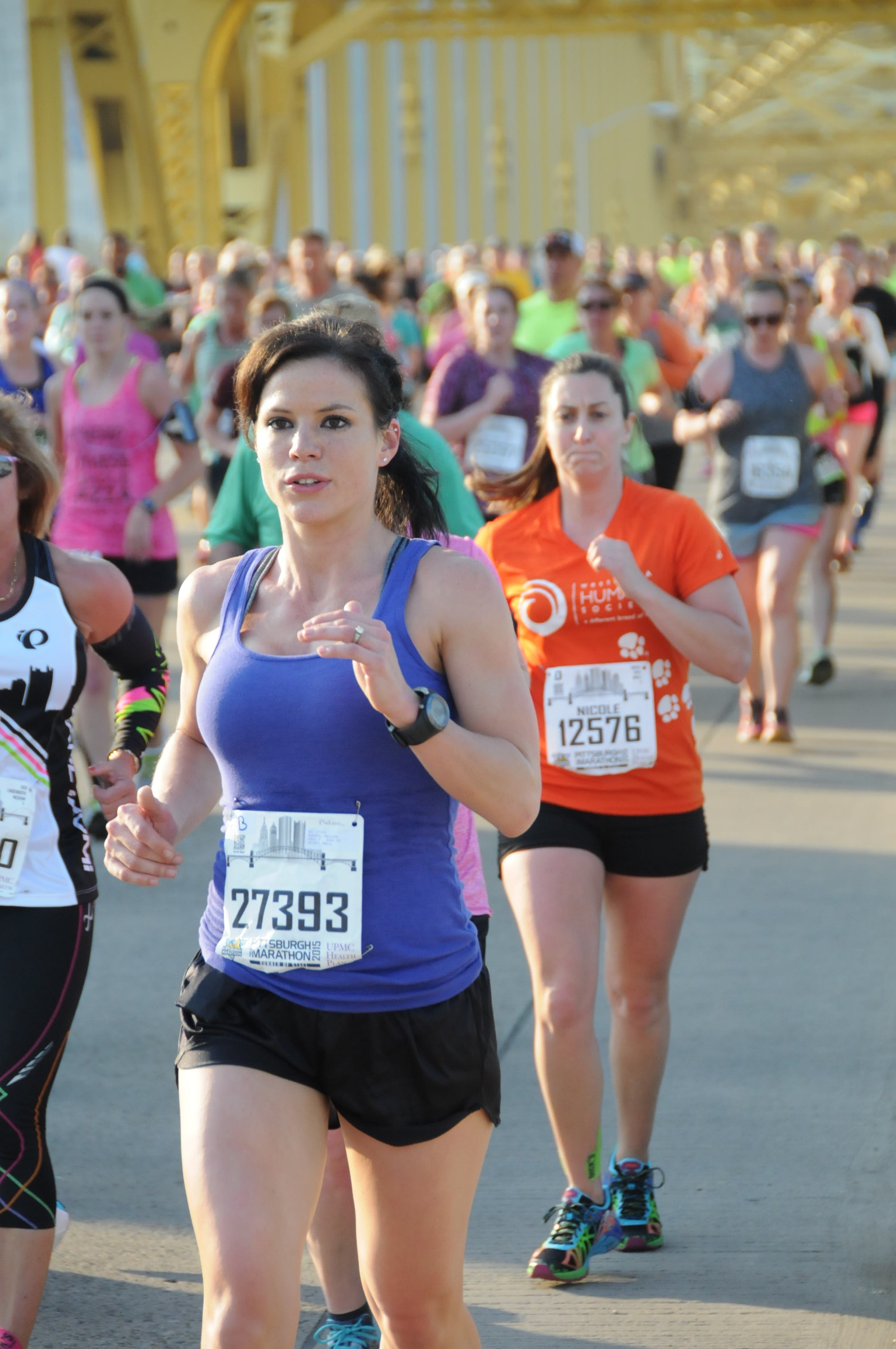
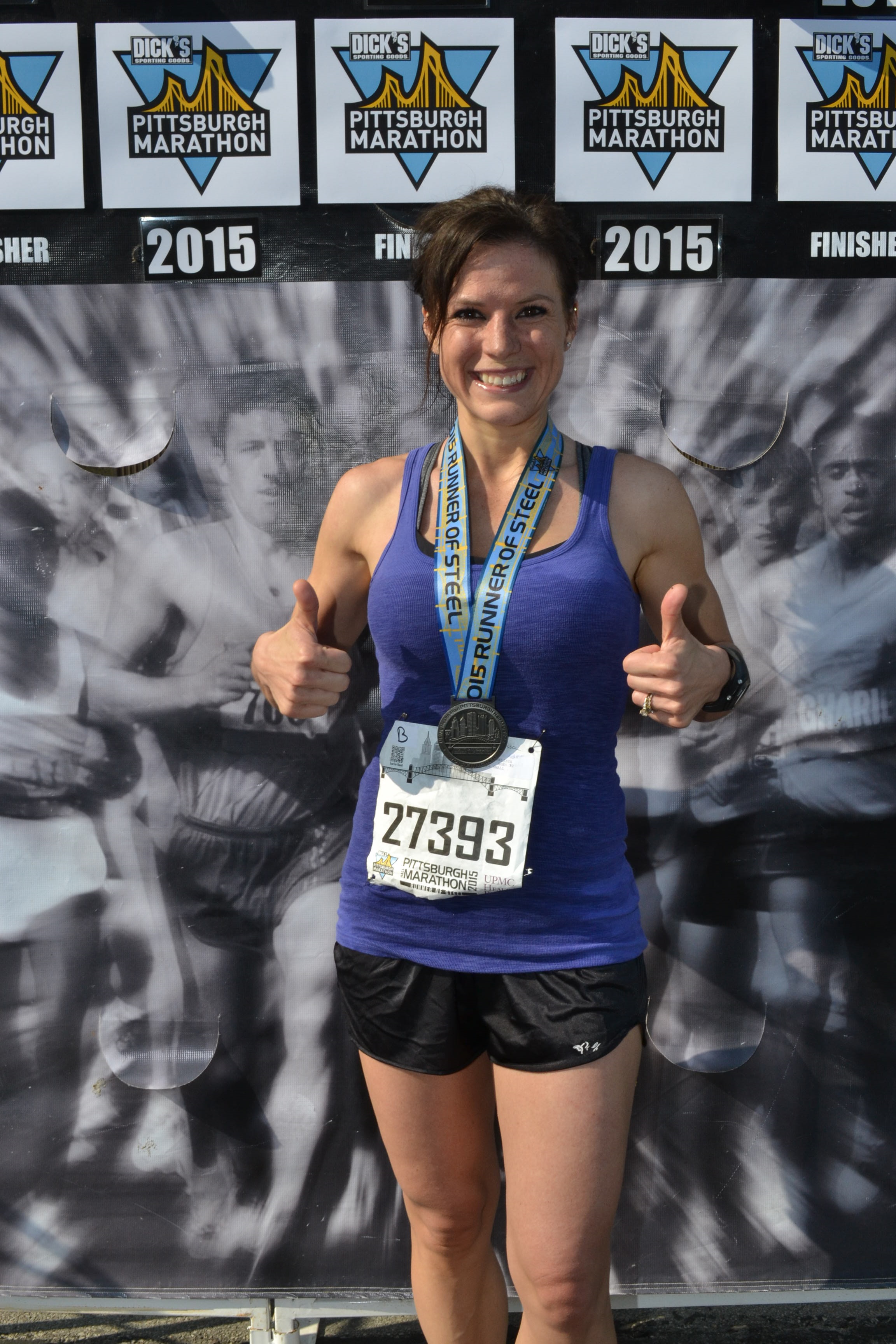
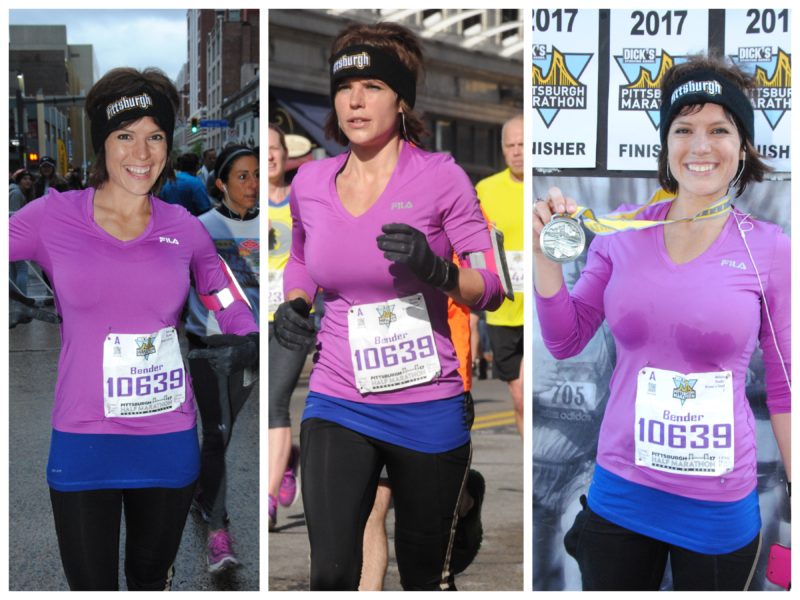
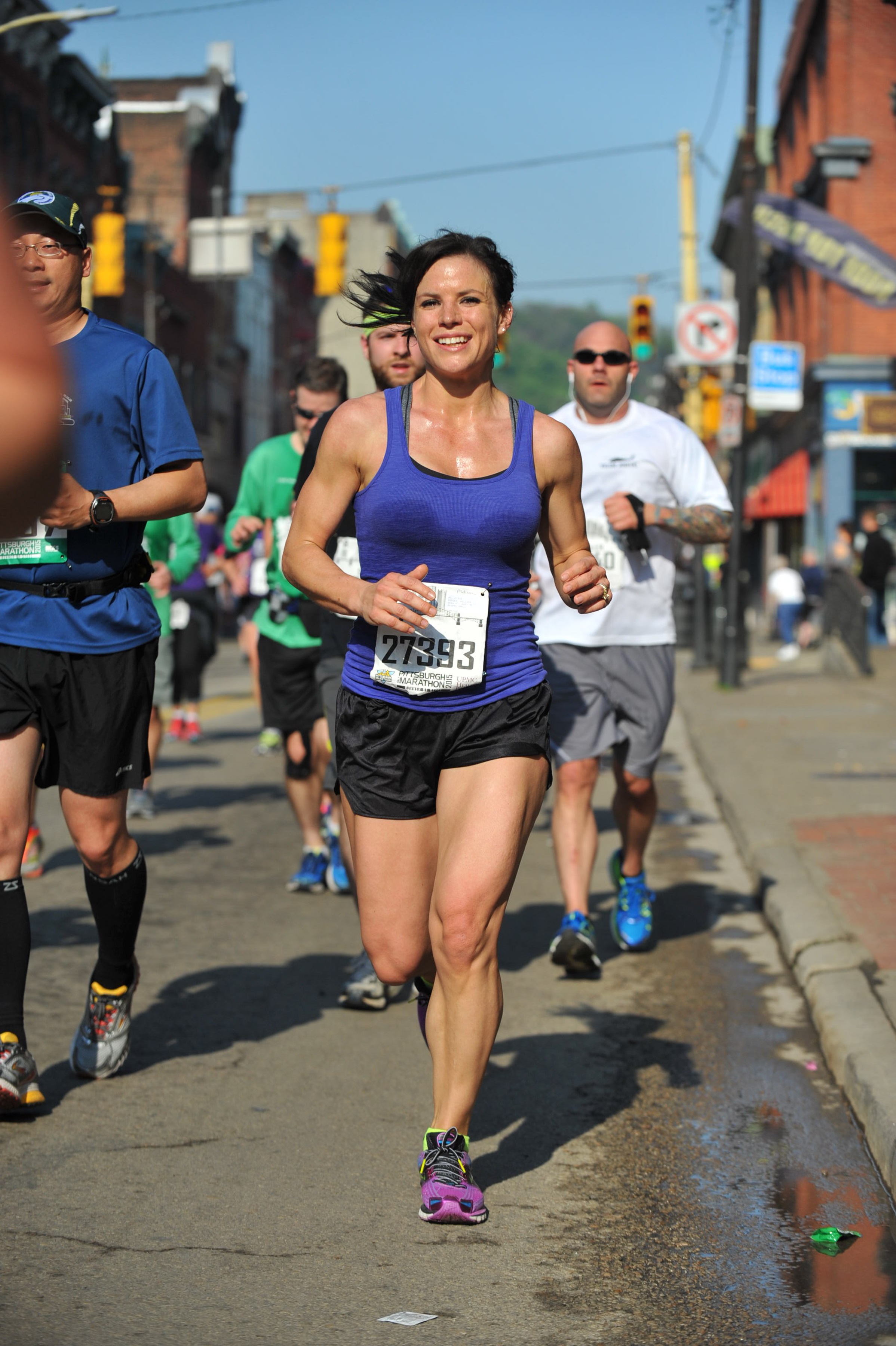
A few weeks ago I ran in the Pittsburgh Half Marathon. I ran it almost 15-minutes slower than my Half Marathon best. Despite a significantly slower time I have more pride in completing this race, than I have in any other run.

Why? I averaged a pace about 1 minute and 10 seconds slower/mile than I normally do in the Half Marathon. Why in the world would this race make me happier than the races where I performed better and ran faster? The answer: This was physically and mentally the hardest race I have ever run, and I finished it. literally fell down during the race, and got back up. I had scraped knees and elbows, and had the perfect excuse to quit, but I stood up and kept running. I fought myself mentally when I wanted to walk, and chose to keep running. Even when I knew there was no way I could do my best (as measured by past performance) I chose to keep going anyway.
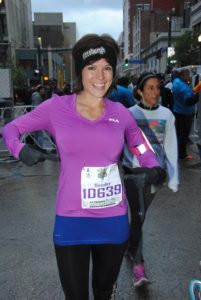
Preparing for this race and running in it showed me the importance of determination and perseverance. I knew that training for this race was going to be challenging, because it was my first postpartum race. Training with an infant is not easy. Stroller runs add a whole new dimension to workouts. A few people have told me they think running with a stroller is an advantage. Let me assure you, it is not. It’s like running with weights. Especially uphill. Where I live everything is uphill.

Two months before race day: I got sick and couldn’t run for a week. Then my baby got sick, and I couldn’t run for another week. Then my husband got sick, which got the baby sick and me sick, and before I knew it I had done only two runs over the course of an entire month. I started to get nervous, but I still had a month until my race. I knew that setting a new PR (Personal Record) probably wasn’t going to happen at this point, but I knew I still had enough time to be prepared for the race.

One month before race day: During a run I noticed an ache on the outside of my knee. It started around mile 3, but I was only going for 4 miles so I finished my run. Once I stopped, I realized that it really hurt. I limped to my car without bending my knee. I took a few days off, but the same thing happened about 4-miles into my next run. It was IT Band syndrome.

The best cure for ITB syndrome is rest. So I took another full week off of running. I felt fantastic when I headed over to the track for a nice flat workout to test out my knee. I didn’t even make it one lap before the pain stopped me. I took off another week (we are currently at 6 weeks of little to no running for those of you keeping count). I also focused on stretching and got new running shoes.

The decision: My husband kept asking me what I was going to do about the race. I did not want to quit. I was running to raise money for Love146 to prevent human trafficking, and quitting because my knee hurt felt shameful in light of what those children faced every day. At this point I was literally terrified to run. I did not think I would be able to finish the race.

The week of the race: I tried a one mile run, and felt my knee bothering me. I stopped before it turned into pain, and decided to see a chiropractor. I saw her twice the week of the race. I still feared that I wasn’t going to make it through the race, but I decided to try anyway. Even if I had to stop, I was going to show up and do my best. If I got a DNF (Did Not Finish) at least I would know I went out and tried.
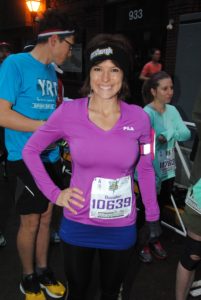
Race Day: My sister came down to the race with us to take care of the baby. Jesse ran in the Marathon relay with his friends.  I waited in the race corral by myself to start. I had friends running in the race, but I knew that if I had to stop or felt like I was slowing their pace down that would be mentally harder on me. I chose to run by myself (if you can say running with over 13,000 people is running alone).
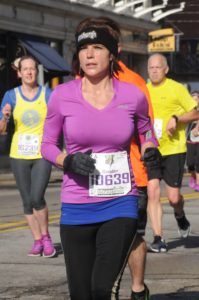
I was hyper aware of my knee, but overall it felt okay during the race. I walked through all of the hydration stations so I could drink some gatorade. Usually I only have a few sips of water while running and most of it slops out of the cup and onto my face, but I am still nursing my son so I needed to stay hydrated. As soon as I finished my fluids I was back to running.

At mile 10 I started to struggle mentally. I really wanted to walk, but I was so close to the end that I refused to give up. I felt myself slowing down. I felt like there was a cartoon devil whispering in one ear telling me to stop, and an angel whispering in the other ear that I was able to keep going.
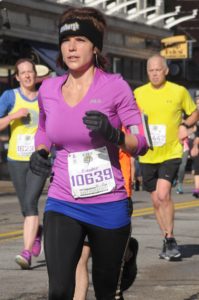
About a quarter mile from the finish line I tripped in a pothole. I face planted, and slid on my arms and knees for several feet. Someone who worked for the race ran over to me and asked if I needed a medic, but I said no, hopped back up and kept running. I had a bloody knee, and scrapes to both knees/elbows, but it wasn’t as bad as it could have been.

I crossed the finish line, and as soon as I stopped running all of the pain in my left knee hit me. I could barely bend it, and walking felt like torture. I wanted to find my sister, and my baby, and watch Jesse finish his race. A race coordinator saw that I could barely walk and escorted me to the medic tent. They saran wrapped a bag of ice to my knee.

Eventually I found my sister and my son, and we headed back to the car to wait for Jesse. His relay team finished 5th out of over 1000 entries. He ran the final leg, so he got to cross the finish line.
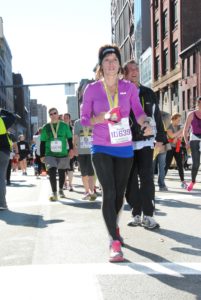
Limping post-race.

I often say that achieving your goals (be they fitness or otherwise) is not the result of motivation. It is the result of determination. It happens when you choose to keep going even when things get hard. Success isn’t only about what you achieve, it’s about persevering with your journey. I worked harder, struggled more, and pushed through. Even if the race had ended with a DNF, I knew I would be happier than settling for Did Not Try.
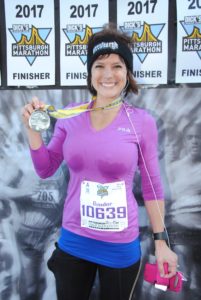
I finished!
Bib: 10639
MELISSA BENDER
Half Marathon
Finished
02:00:24
My Results: Overall 3,637th of 13,072. Female: 1423 of 7820. Female 30-34: 237th of 1,259.
Interval Time of Day Chip Time Chip Pace Gun Time Gun Pace
Start 7:18:23AM
4.4 Mile 7:56:11AM 00:37:48 08:36 min/mi 00:39:09 08:54 min/mi
5.3 Mile 8:04:13AM 00:45:50 08:39 min/mi 00:47:11 08:55 min/mi
9.1 Mile 8:39:15AM 01:20:52 08:54 min/mi 01:22:14 09:03 min/mi
12 Mile 9:08:19AM 01:49:56 09:10 min/mi 01:51:17 09:17 min/mi
Finish 9:18:47AM 02:00:24 09:11 min/mi 02:01:45 09:18 min/mi

VO2 Max Running Workout: Fat Burning & Speed Building Workout

Standard

Hi Everyone!

Are you ready to get in an awesome run that will improve your speed and fitness level while burning fat? Perfect! I have a fantastic VO2 Max workout for you today!

What is a VO2 Max Workout? I’m so glad you asked! Your VO2 Max refers to the maximum amount of oxygen that your body can utilize during very high intensity exercise. Your VO2 Max (the amount of oxygen your body consumes) can improve as you build lung strength and your fitness level.
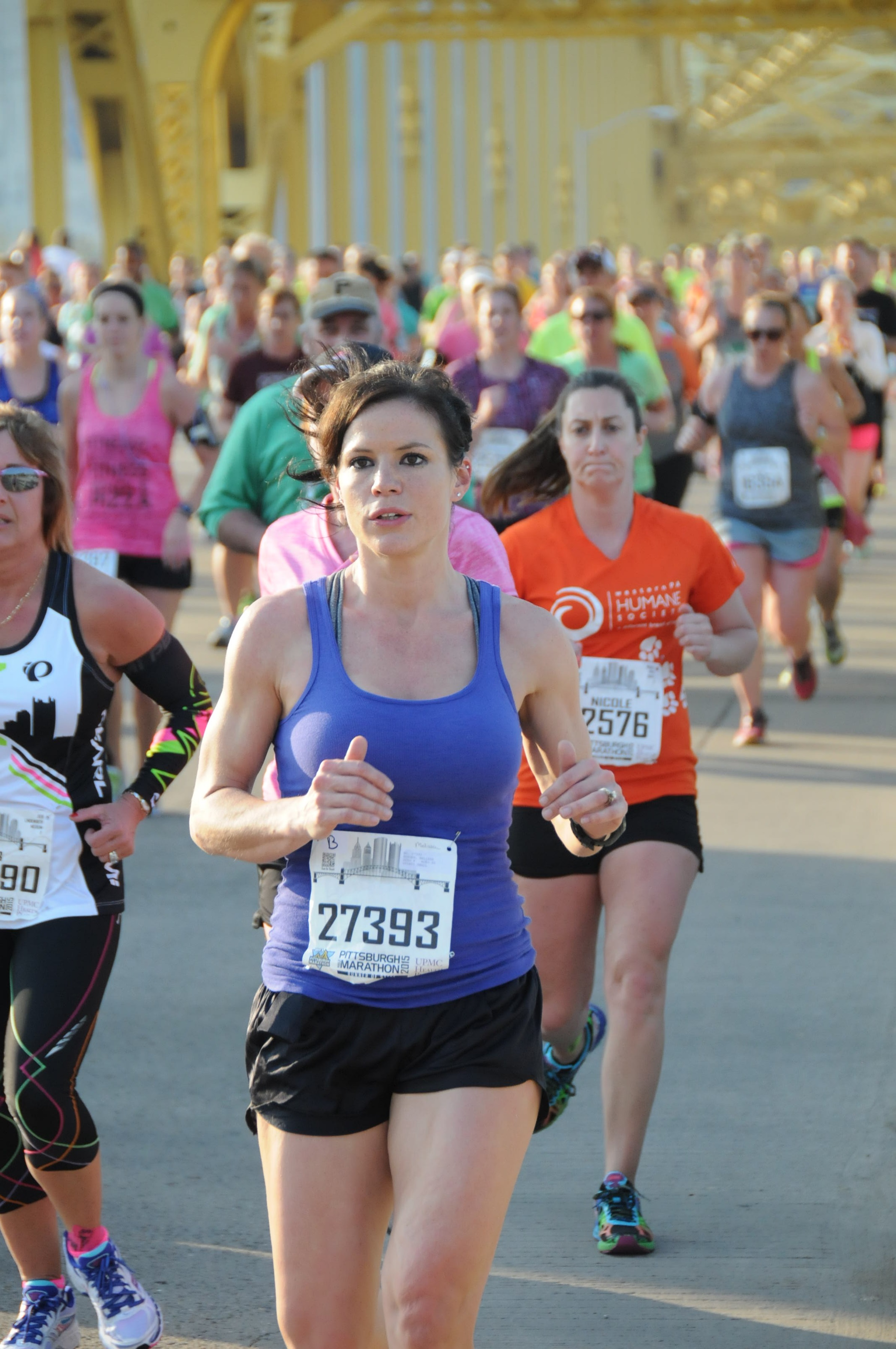
A VO2 Max Running Workout means running very fast (think of your goal race pace, and go faster than that!) for shorter time periods. This improves your speed and leg turn over, and prepares your body for running at the desired race pace. You are working at a very high level of effort. On a ten point scale where 10 is maximum effort a VO2 Max workout should be about a 9/10.

Today’s workout is a VO2 Max workout completed interval style. It will give you a fantastic burn. It’s a great physical challenge. Whether your goal is fitness or improved running speed this workout will help you.

You can complete this workout outside, or on a treadmill. If you run on a treadmill I recommend always putting the treadmill incline up to at least 2. This will help simulate outdoor running, and protect your back during treadmill runs. The design of the treadmill causes many people to arch their backs, especially if you run closer to the front of the treadmill. The incline will help you maintain your form, which will make indoor running easier on your back and knees.

With a VO2 Max workout I recommend doing an extended warm-up to make sure your body is properly prepped for your workout. After the VO2 Max section, do an extended cool down. Today’s workout should take approximately 30 Minutes total.

I have provided two workout variations below. These are the two options that I gave the students in my jogging class when they completed this workout. Remember, your sprints should be a high intensity/high level of effort. The level of effort, and the variation in your heart rate during the recovery time is part of what makes this workout so effective. Always listen to your body, but don’t be afraid to challenge yourself during the workout.

You can modify these workouts for any level. You can make the workout shorter or longer. It’s very important to learn how to listen to your body during your workouts.

*For the hill sprint workout, I gave my students the option to do between 5-10 hill sprints so they could adjust the workout to their own level. If you are an advanced runner start your next sprint as soon as you jog back to your starting place. If you are still building your runs you can walk or jog back to the starting place, wait for your heart rate to return to normal and then do the next sprint. 

One way to modify your workouts (running or HIIT) is to change the length of your rest/recovery. As long as you are challenging yourself you are working at an appropriate level.

The Workouts:
Both Workouts can be completed Outdoors or on a Treadmill.

Workout 1: Hill Sprints:

Warm-Up: Run at an easy pace for 10-Minutes or until you are properly warmed up.

Complete Ten 30-second hill sprints. Jog or walk back to your starting place in between each hill sprint.

Cool-Down: Run at an easy pace for 10-Minutes.

Workout 2: Timed Sprints: Set Your Interval Timer for 10 Rounds of 30/30.

Warm-Up: Run at an easy pace for 10-Minutes or until you are properly warmed up.

Complete Ten 30-second sprints, followed by 30-seconds of recovery at an easy pace. Repeat the 30-seconds hard/30-seconds easy 10X consecutively.

Cool-Down: Run at an easy pace for 10-Minutes.

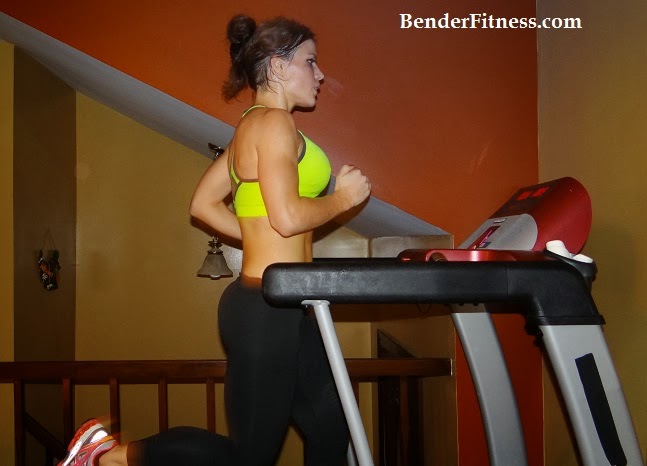
*I did Workout #2 when I completed this workout. I varied my pace between a 9.0 Speed and a 7.0 Speed during the interval section of the workout. 

Did you try the workout? Let us know what you think! Leave a comment!
Sunday Run Day: #3: How Do Long Runs Make You Faster

Standard

Hi Everyone!

We have another Great Sunday Run Day topic from Jesse. Today’s topic is: How Long Runs Make You a Faster Runner.

If you want to become a faster runner you should incorporate one long run per week. This run should be completed at an easy, conversational pace. If you are going hard enough/fast enough that you can’t hold a conversation you are moving to fast.

The length of the run is already placing an increased demand on your body. This run is about building oxygen receptors, blood volume, and overall fitness level. You can reap all of these benefits during a longer, easier paced run.

Jesse mentions in the video that a great technique to use to continue increasing your speed and improve your leg turn over is adding 3-5 Strides to the end of your long run.

What is a Stride? A stride is a quick, short run (he recommends 8-10 seconds) that isn’t an all out sprint, that will get your legs/body used to moving at a faster pace. Additionally, when you do it at the end of your long run you are conditioning your body to getting used to giving an extra push when you are tired. This can be a great asset at the end of a race, when you want to shave off a few more seconds of your race time and the finish line is in sight.

Do you have more Sunday Run Day topics you would like to see answered? Let us know in the comment’s below. 

Thanks!
Melissa & Jesse

PS If you are wondering how Jesse knows so much about running, he was a collegiate level nationally ranked Cross Country Runner. He was inducted into Point Park University’s Athletic Hall of Fame for his running accomplishments during his first year of eligibility. Jesse has had first place finishes in races of every distance from the 1-Mile, 5K, 8K, 10K, 5 Mile, 10 Mile and Half Marathon. He has not attempted at Full Marathon yet.

*If You Want to Support BenderFitness.com & Help Us Get a New Camera & Video Editing Equipment please click here: https://www.patreon.com/BenderFitness

Sunday Run Day: #2: 6 Tips for Proper Running Form

Standard

Hi Everyone!

Jesse is back to answer your running questions. One of the most popular running questions we get is What Is Proper Running Form?

Running is all about efficiency of movement. That means that form matters, because when any part of your body is out of alignment, your efficiency is thrown off. Also, you’ve probably heard that old rumor about running being bad for your knees. Research has proven that is not true. However, running with poor form and alignment will put increased pressure on your joints. So what can you do to make sure you are maintaining proper running form?

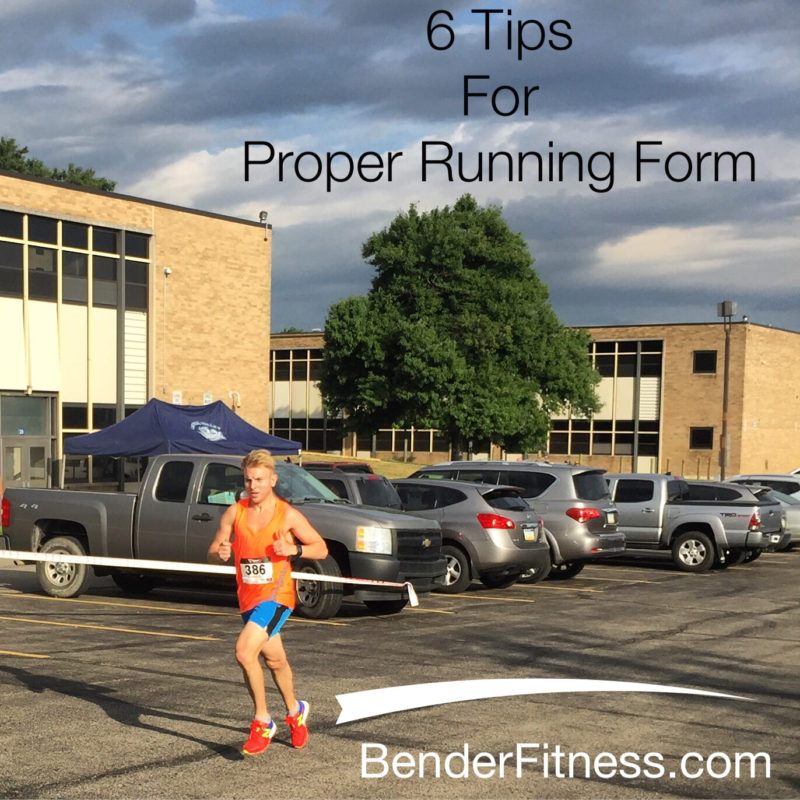
Jesse breaks it down in today’s video with 6-Tips for Proper Running Form. We also provided a written breakdown below:

  1. Proper Form Starts with Your Arms: Always move forward. This starts with your arms. The arms should be moving forward, not criss-crossing. When your arms criss cross (this is especially common when you are tired!) your stride is thrown off, resulting in a lateral movement, instead of forward motion. When running any distance, even that slight shift to a lateral movement means you are wasting energy, and running less efficiently. Getting your arm movement under control can improve your running form, and your efficiency of motion. For the same reasons, you should avoid exaggerated arm movements. You don’t want to waste energy that can be better spent propelling you forward, by swinging/pumping your arms with an exaggerated movement. Proper arm motion is when your hands move from your hips to chest height (Hips to Nips is an easy way to remember it).
  2. Stay Loose and Relaxed: This should start with your jaw, and applies to your entire body. When you focus on loosening your jaw, you may notice that your neck and shoulders follow suit. Again, this has to do with running efficiency: if you are holding your body and muscles tight you are not able to maximize your forward movement. Tight muscles not only change your stride and arm position, but they require energy to maintain that tightness. It can also lead to shoulder cramps (if you’ve ever had one you know what I’m talking about!) Make sure your hands are relaxed during your run.
  3. Maintain Good Posture: When running you want to maintain an upright position without leaning forward or backward. During your movement you want to avoid bouncing. Just like with your arms, you want to maintain a forward motion, not an up and down/bouncing movement. If you are bouncing while you run you are wasting energy. With Ideal Running Form, if I took a video of you running, and drew a line across the top of your head as you ran, it would be a straight line, not a spiky line that bounces up and down with each step. Running takes a lot of effort, you want that effort to go toward moving your forward toward the finish line, not up and down.
  4. Don’t Worry About Foot Strike: With the onset of minimalist running, and shoe sales pitches you may have heard that a specific Foot Strike Pattern (where your foot hits the ground first when you run) is superior to other strike patterns. This is not true. Research on Olympic Runners has shown that they all have different Foot Strike patterns, with no one pattern emerging as superior. What matters is that you are doing what is natural to your body.
  5. Be Assessed for Proper Running Shoes: This one goes with Foot Strike. While Forefoot, Midfoot and Heel Strike patterns don’t matter much, the position of your foot and ankle matter a lot. Some people pronate: your ankles roll in toward the middle of your body.
    Some people supinate: your ankles roll toward the outside of your body.
    Some people are neutral: your ankles maintain middle alignment.
    There are shoes specific to each gait pattern, and a professional should help you determine which style of shoes are best for you. The way a shoe looks should always be secondary to the type of shoe/support.
  6. Let Your Stride Be Organic: Don’t Over-stride or try to shorten your stride. Everyone’s legs and hips are different. Do what is natural for your body.

What Are Your Questions? Let us know in the comments below! We are picking different Running Questions to Answer Each Week. 

Sunday Run Day #1: 5 Tips on How to Run Faster

Standard


Hi Everyone!

It’s Sunday Run Day! Jesse is here with a great video with 5 Tips on How to Run Faster. (If you are looking for today’s HIIT Workout you can find it here: Full Body Sculpting HIIT: 15 Minutes Per Round).

  1. Be Consistent: As with all exercise, and health in general, consistency is key. Working SUPER hard occasionally isn’t going to help you progress. Be consistent with your training. This is the number one technique to achieving the results you want.
  2. Vary Your Paces: Don’t run at the same speed every time you run! You should have easy days and hard days. In future videos we will discuss specific runs that you can do. You can find several Interval Runs and articles on Running here if you can’t wait: https://www.benderfitness.com/category/running .
  3. Run Faster to Be Faster: Becoming faster requires Speed Work. You need to get your body used to running faster paces. This doesn’t only help with leg turnover (how quickly you can actually move your legs), but also with your endurance for running faster paces. Practicing these skills will help you achieve your goals, and run further in less time. Check out this article on 6 Training Runs You Should Be Doing to Improve Your Speed. Jesse will be discussing different runs (and their benefits) in future videos.
  4. Hydrate, Fuel & Rest: Without the proper Fuel you will not be able to run your fastest. Nutrition and Rest are a foundational part of becoming a faster, and healthier runner. It will also help prevent GI Distress during hard runs.
  5. Stretch: Stretching will help you prevent injuries, which will not only keep you healthy, but allow you to follow Rule #1: Be Consistent. Injuries interrupt consistency and sometimes require long breaks from running.

Do you have something to add? What Running topics would you like to see us answer in future videos?

Melissa & Jesse

5 Ways Running Changes during the Third Trimester of Pregnancy

Standard

“You’re still running? Is that okay?”

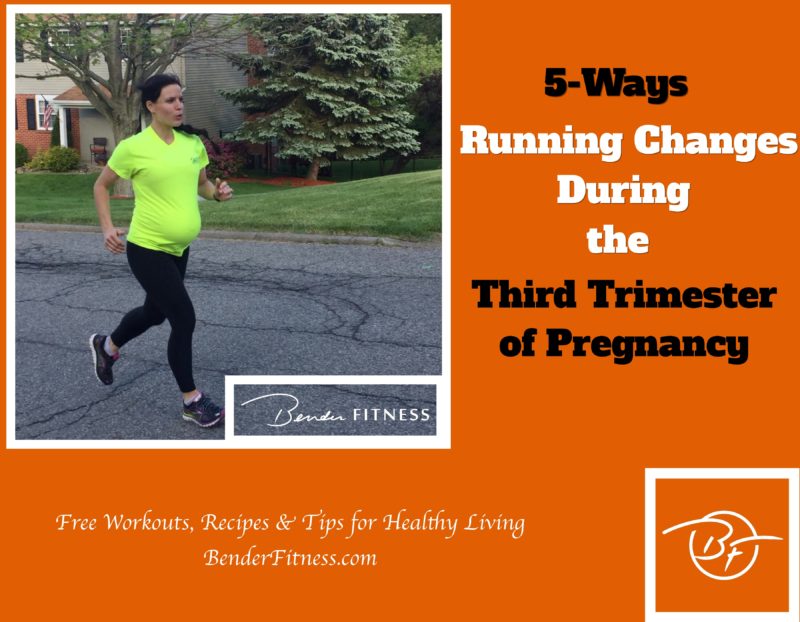
I get this question a lot when people find out that I am still running, well into my third trimester.

I am not running as often, or as quickly, but I am still running. I feel great when I run! In fact, research has shown that running and exercise have huge health and wellness benefits to the baby both in utero and later in life.

I don’t feel like baby is bouncing, or my core is stretching. It feels strong and supported. I don’t wear a belly band, or support belt. I tried higher waisted, more supportive pants, but I couldn’t stand how they felt. I rolled them down under my belly before I made it to the first mile marker. That said, if you feel discomfort or round ligament pain in your core, or discomfort in your hips or back, a supportive band may help.

Running is perfectly safe to continue throughout your pregnancy, unless you have pregnancy complications or have been advised not to run by your doctor. Be sure to stay hydrated & drink plenty of extra water after your runs. Dehydration can cause problems for you and baby.

IMG_8232

A few things are different about running.

  1. Burning Legs: My legs burn when I run uphill. Not just when I am running fast, almost every hill. Normally my legs can keep going, but I feel it more in my lungs. During pregnancy you have a higher blood volume, and your heart is working harder to continue pumping that blood to your body. Your lung space is also diminished because the baby and all of your organs are pressed upward in your torso. That means that your body is working harder to oxygenate your blood. Listen to your body and pace yourself, especially when running hills or other tasks that require increased exertion.

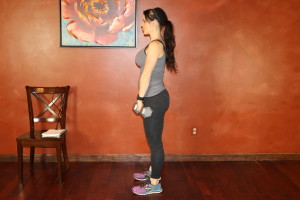
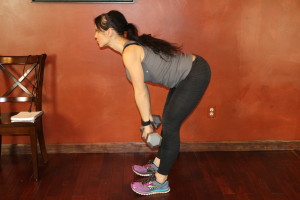
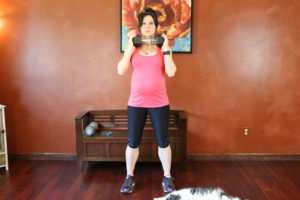
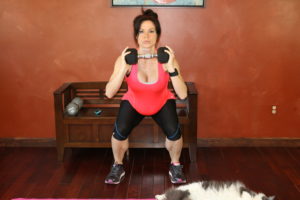
2. Running Form: I haven’t noticed any changes in my running form, but that doesn’t mean it isn’t happening. For most pregnant women, as your pregnancy progresses your hips tilt forward. Due to the increased relaxin in your body the hips also move more in a “back and forth” motion during a run. This is a sign of instability in the muscles due to stretching and shifts in your center of gravity. These changes will remain in place after pregnancy if you don’t actively do exercises to strengthen your core, glutes and back. I incorporated these exercises pre-pregnancy and still do them throughout my pregnancy, which I think is helping me maintain my running form, but I may have to get outside and have Jesse film me running to see if I spot any biomechanical changes.

Some exercises that help (all of the photos are from workouts that have been filmed during my pregnancy. You can find them here: https://www.benderfitness.com/category/fit-pregnancy):

Wall Sit Pelvic Tilt

Pelvic Tilt: Part 2

Pelvic Tilt: Part 2

Pelvic Tilt: Part 2

Pelvic Tilt: Part 2

Romanian Deadlifts

Romanian Deadlift: Part 1

Romanian Deadlift: Part 1

Romanian Deadlift: Part 2

Romanian Deadlift: Part 2

Squats

Squat: Part 1

Squat: Part 1

Squat: Part 2

Squat: Part 2

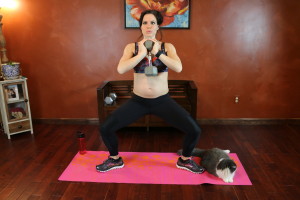
Plies

Plie Squat: Part 1

Plie Squat: Part 1

Plie Squat: Part 2

Plie Squat: Part 2

3. Nipple Pain: Yup, you read that right, and it’s a doozy. Everything is more sensitive during pregnancy, and there have been a few times I actually had to stop running because it became so painful and uncomfortable. I probably looked like a crazy lady, walking through my neighborhood, and trying to get home, while holding my shirt and sports bra in such a way that it didn’t actually touch my skin. I invested in very supportive running sports bras, and that didn’t help. So I resorted to the old racing trick to help prevent chafing during longer runs: band-aids. So far that is doing the trick and has prevented any more painful episodes.

4. Lungs/Breathing: As I mentioned above, your lungs are being compressed, so you are unable to take in as much air as you used to. As a result you will not be able to run as quickly, and you will notice that you get out of breath more quickly. I notice it more when going up and down hill. It’s still important to control your pacing, and make sure that you aren’t getting out of breath to the point of being unable to speak. You should maintain a moderate effort during runs and be able to talk while running. When I run with Jesse we chat the whole time. When I run alone if I feel out of breath, or go up a really big hill I chat to the baby. My neighbors already think I am crazy for running around with my baby belly, so if they see me talking to myself I just smile and wave at them!

Make sure you warm-up before starting your run. This will help your lungs and body transition more smoothly into the run.

5. Slower Running Pace: My average running pace now ranges from 9:30 minutes/mile to 10:30 minutes/mile. This is significantly slower than my average and easy running paces pre-pregnancy. I listen to my body, make sure I am able to talk throughout the run, and if I ever feel that I need to walk I do it.

I am also flexible during my runs. In my neighborhood I have a 5K (3.1 miles) loop, 4-mile out and back, and a 5-mile loop that I enjoy. Some days I set out intending to do the 5-mile loop, and decide that I feel tired so I do the 5K instead. Other days, when I hit the 5K turn around point I am feeling fantastic so I decide to keep going. Don’t be afraid to adjust your runs, or even do a half run/half walk. Learn to be in tune with your body. It’s a lesson that will benefit you and your fitness journey even after your little bundle of joy is born.

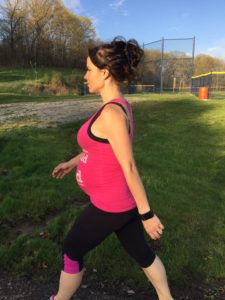
pregnant walk 32 weeks

Are there any other changes you have noticed with running that I haven’t mentioned here?

Any running, or other workout challenges you have been facing during your pregnancy? Let me know in the comments, or on Facebook: www.facebook.com/MelissaBenderFitness or Instagram & Twitter: @BenderFitness

15-Minute Full Body Workout to Improve Running Form & Efficiency

Standard

Hi Everyone!

It’s workout time! Today we have a brand new workout for you. This is a full body workout. All you need is some space and a dumbbell. If you don’t have access to dumbbells you can grab something from around the house to add some resistance, or complete the exercises with body weight only.

We designed this workout for runner’s. Runner’s require cross training to maximize running form and efficiency, and prevent injury. This workout focuses on the muscles that runner’s tend to have imbalances in due to the specificity of their training.

Jesse has noticed less pain, less injury, improved form and efficiency by incorporating exercises like today’s program into his routine. Remember, preventing injury is one of the best ways to keep yourself healthy & maximize your potential in any sport or athletics.

If you aren’t a runner this is still a great full body workout! I hope you enjoy today’s routine. I always love when Jesse teaches a workout!

jesse filming

Have fun!
Melissa & Jesse

Set Your Interval Timer for 15 Rounds of 10/50.
Equipment: Dumbbell

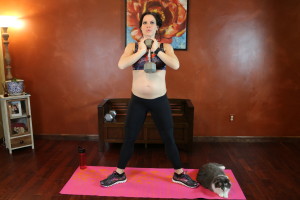
  1. Over Head Squat
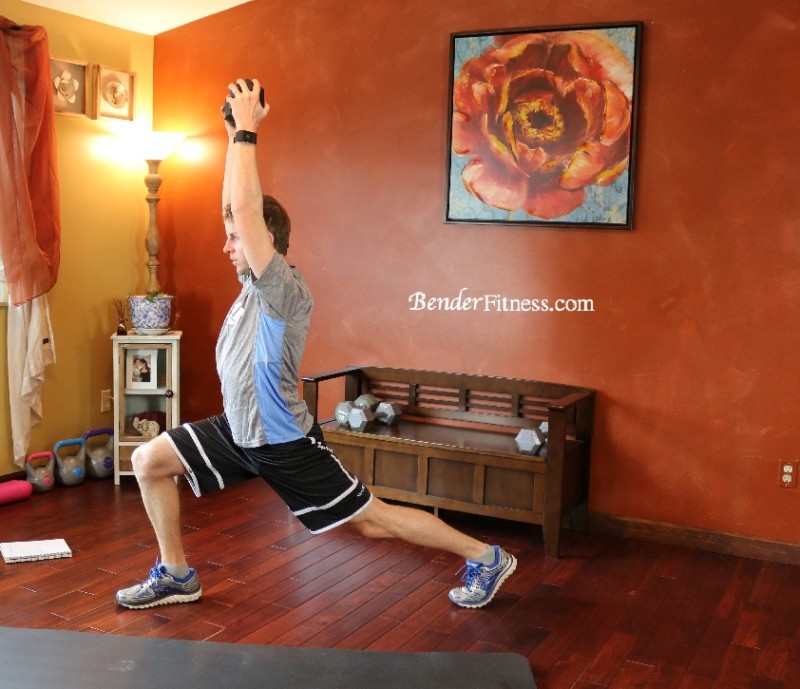
  2. Alternating Runner’s Lunge Lift
  3. Warrior Deadlift-Right
  4. Warrior Deadlift-Left
  5. Lunge Jump
  6. Side Plank Leg Lift-Right
  7. Side Plank Leg Lift-Left
  8. Temple Tap Abs
  9. Plank Knee Tap
  10. Leg/Hip Lift
  11. Reverse Plank Step Out
  12. Tricep Pushup-Right
  13. Tricep Pushup-Left
  14. Bent Over Row-Right
  15. Bent Over Row-Left

Repeat 1-3X
Optional: Pair with 30-Minutes Cardio of Choice.

Interval Run: Training for a Faster 5K: Part 2

Standard

Hi Everyone!

I am still training on improving my speed so I can run a faster 5K. Last week I shared: Interval Workout to Begin Building Running Speed and Endurance.

This week, we are taking the same concept and basic foundation that we used in last week’s run, & increasing the amount of time spent running at and slightly faster than our desired race pace. I am going to use the paces I did during my run as an example, but it’s important to adjust your speed based on your current skill level and desired pace.

To improve your 5K speed you need to spend time teaching your body to run at faster paces. After initiating the speed training, the next focus is to increase your endurance at that pace. Running a 5K has two components: Speed & Maintaining that Speed/Endurance over a set amount of time.

track run

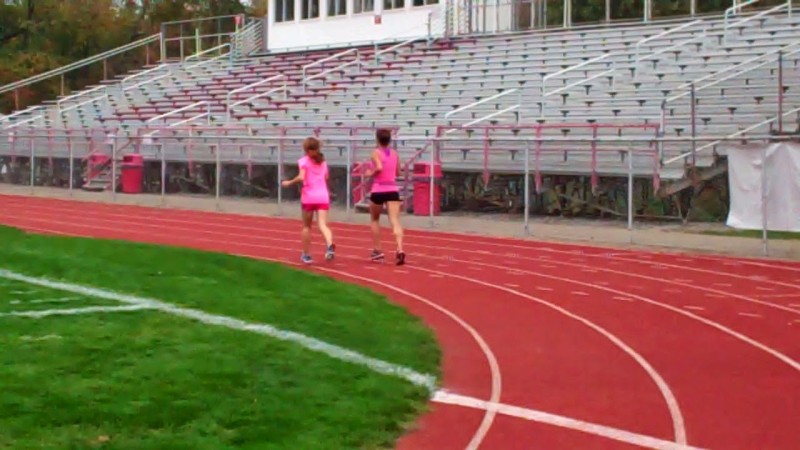
*400 Meters is one lap around a Standard Track. 200 Meters is Half a Lap Around a Standard Track.
Keep Rest breaks short in between reps, but allow your breathing to recover.

The Basic Workout:

  • Warm-Up Run at a Comfortable Pace
  • 400 Meter (.25 Mile) Repeats at Goal Race Pace X4
  • 200 Meter (.13 Mile) Repeats Slightly Faster Than Goal Race Pace  X4.
  • Cool Down Run at Comfortable Pace

I completed this workout on the Treadmill. These are the exact Paces I used, with the treadmill speeds. A treadmill takes some time to ramp up, so I adjusted the speeds to be a little bit faster to account for the slower time as the treadmill starts.

My Paces for This Workout:

Warm-Up: 1 Mile Run (7:58) – Speed 7.6 on Treadmill

400 Meter (.25 Mile) Repeats at Speed 8.7:

Interval 1: 1 Minute, 43 Seconds
Interval 2: 1 Minute, 43 Seconds
Interval 3: 1 Minute, 45 Seconds
Interval 4: 1 Minute, 42 Seconds

200 Meter (.13 Mile) Repeats-Speed Increased from 9.5-10.0

Interval 1: 49 Seconds (9.5 Speed)
Interval 2: 50 Seconds (9.7 Speed)
Interval 3: 47 Seconds (10.0 Speed)
Interval 4: 46 Seconds (10.0 Speed)

Cool Down: 1 Mile Run (7:58)-Speed 7.6 on Treadmill

Total Distance: 3.52 Miles
Total Running Time: 25 Minutes, 5 Seconds

I hope you all enjoy this workout! Let me know how you like it, and what your race goals are. You can leave a comment below, or on my Facebook page.

Have Fun!
Melissa

PS This workout is based on a workout designed for me by my favorite Running Guru: Ed Shephard (Shep). He is a great Cross Country and Track Coach. He has coached many individual runners and running teams to Championships. Shep was Jesse’s running coach in High School. Both Shep & Jesse are Collegiate Level Athletic Hall of Fame Runners. If you have more running questions please let me know, and I will pass them on to Jesse & Shep.

Other Running Articles You Might Like:

6 Training Runs You Should Be Doing to Improve Your Speed

Track or Treadmill Workout for Faster Running Paces: 400 Meter Repeats for a Faster 5K

6-Tips for Becoming a Runner & Starting a Running Program

5K Training for New Runners

5 Minute Core Workout for Runners: Cross Training for Runners


Interval Workout to Begin Building Running Speed & Endurance

Standard

Hi Everyone!

Today I am sharing a running workout. This workout was designed by Coach Shep, to improve speed, while building endurance.

One of the goals I am currently focusing on, is to improve my race pace for the 5K. It’s been a long time since I trained for anything speedy, and as a result I have slowed down. I have two 5K races planned over the next month and a half.

My first race is on Thanksgiving morning. I want to improve my 5K pace between now and then. My running consistency has been fair lately. I know I can be getting in better and more consistent runs. Part of the reason I decided to re-focus on the 5K is because I can get in shorter, but higher quality runs while still having time for my full time job, blogging and teaching Boot Camp/Yoga.

I enjoy the Half Marathon much more than 5Ks, but they also take a larger time commitment for running. I want to get back to filming more new workouts & lately it has seemed like I am aiming for to many things and I needed to narrow my focus a bit.

Yesterday’s workout was 5.5 miles total, but you can decrease the distance to 3 miles to save time. It was a nice building workout, that let me work on some speed, without wearing me out. It also helped that I did this run with friends. My favorite running Guru, Shep, started us out with this workout & ran it with us.

The breakdown for this run is very simple:

Warm-up
200 Meter Repeats X8 (Half a lap on a standard track) at goal race pace or slightly faster.
Cool-Down

The length of the workout can be adjusted to suit your goals/needs. This is a good building workout. It focuses on building your speed & endurance. As my training progresses over the next few weeks, the fast repeats will increase in length/distance.

Our workout breakdown:

2-Mile Warm up at an Easy/Conversational Running Pace

Eight 200-Meter Repeats at Goal Race Pace: Walk an equal distance for rest between reps.

2.5 Mile Cool Down: Easy/Conversation Pace

*Pacing: adjust pacing to meet your goal race time, or run at a pace that feels challenging, but isn’t a full out sprint.

We did our 200 Meter Repeats between 48-51 seconds per repeat. For the final repeat I picked up the pace & completed it in 43 seconds. The goal is not to go at a burn-out pace, but to find a maintainable, but challenging pace.

I hope you all enjoy this workout! Do you have any races coming up? Let me know here, or on Facebook.

Melissa

Intense Cardio Interval Workout: VO2 Max Fat Burn

Standard

Hi Everyone!

Last night I got in a challenging running workout. You can take this workout to the track (or treadmill). This is a very challenging cardiovascular workout, that will burn fat, strengthen your core, and improve your speed. This workout will help you improve your body’s ability to work at a higher level of effort and improve your V02 Max.
Many people ask Jesse and I how to become a faster runner. To improve your speed you have to get your body used to working at an effort/pace that is faster than what you are currently doing. If you run at a comfortable pace every time you run, you will be great at running that pace. You have to push outside of your comfort zone if you want to improve your speed.
Additionally this workout will help you burn fat, and improve your overall fitness level.
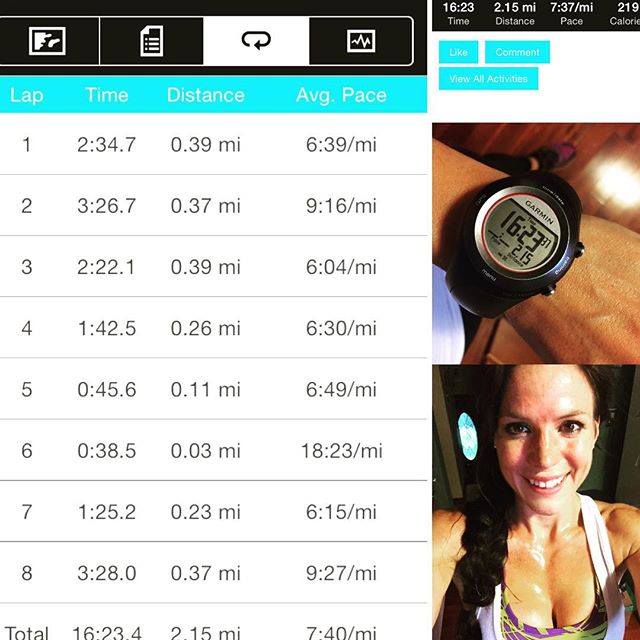
Make sure you do a warm-up before completing this workout, and finish with a cool-down. I did a warm-up jog (2 laps around the track, which equals 800 meters), and 1 mile cool down at an easy pace.
My workout was slightly different last night. Jesse is training for a Half Marathon so filming on week nights when we both get home from work is tough to fit in. Here is the breakdown of the run I did last night:
vo2 max run
It was a VO2 Max workout to improve my running speed, endurance and lactic threshold. It was short, but challenging. On lap 5 a dog decided to run with me so I had to stop (lap 6 I was talking to the dogs owner and forgot to pause my watch). Initially I was going to alternate easy laps with quick laps, but I was in a hurry so I ended up cutting down the recovery time. With running, to get faster you have to run faster and learn to push yourself. Start with smaller chunks of time and expand from there. It doesn’t matter what speed you are starting from. Alternate a hard pace with an easy pace (or full rest break).
I also included a quick Lower Body Workout & Alternate Cardio Workout for those of you that don’t run.
I hope you enjoy this one! It’s tough, but a great challenge!
Melissa
vo2 pushup

Start with a Warm-Up

-High Knees (1 Minute)
Jump Rope (or invisible jump rope) (2 Minutes)
-Run (3 Minutes-Harder than race pace)
-Burpees (2 Minutes)
-Mountain Climbers (1 Minute)
-Run (3 Minutes: Harder than race pace)
-Jump Rope (2 Minutes)
-High Knees (1 Minute)
-Run (3 Minutes: Harder than race pace)

Finish with a Cool Down

Alternate Cardio Option: 

All Levels: Max Reps during each 50 second interval, 10 seconds of rest between exercises. Followed by 1 mile run, or 5-10 minutes of cardio of choice.

1. Frog Hopper
2. Curtsy Lunge Twist (right)
3. Bicycle Abs
4. Curtsy Lunge Twist (left)
5. Jumping Jack Pushup

Repeat 1-4X

4-Minute Standing Lower Body Workout

Equipment: Gymboss Interval Timer set for 4 Rounds of 10/50

1. Surfer
2. Step Up with Kick Back (left)
3. Step Up with Kick Back (right)
4. Sumo Squat Twist

Repeat 1-4X

6 Tips for Becoming a Runner & Starting a Running Program

Standard

6 Tips for Becoming a Runner & Starting a Running Program
by Jesse Bender

When discussing running, one of the most common questions I receive is, “How do I become a runner or how do I even start?” My mind floods with positive responses; I’ll attempt to be precise.

There is no set-pace that a person must run to be considered a “runner.’ If you push yourself on a regular basis to ambulate faster than a walk with a pace that is slightly difficult, you are a runner. Do not let anyone ever tell you otherwise.

The Pre-Tip List for Becoming a “Runner”

There is only one Pre-Tip: We all hear that we should consult a physician prior to engaging in any new difficult physical activity. If you suffer from any joint pain, heart complications, back-problems, medication side-effects, or have not participated in cardio training of any sort within recent memory, I STRONGLY suggest consulting your physician prior to running/hiking/bungee jumping/cycling/Zumba/weight training/etc. anything that will elevate your heart rate.

Once you receive the green-light from your doctor, it’s time to kick the tires and light the fires!

1.) CONSIDER YOURSELF A RUNNER!

As stated above, there is no predetermined distance, pace, or race that must be completed by a human in order for them to be considered by other humans a “runner.” The moment you make the  true mental decision to start running, then you are a runner. This switch of a mind-set is imperative to you starting and sticking to a running regimen. Literally, tell yourself, “I am a runner now! I start (enter day) at (enter time)! ” and stick to that day and time!

2.) FIND THE RIGHT PAIR OF (ACTUAL) RUNNING SHOES:

“Well, Mr.Smarty-runner, what is considered an actual pair of running shoes and why do I need them?” Running shoes are any shoes designed and created for running. Many shoe companies have products that are designed for Fitness, Walking, Cross Training, or Hiking. These shoes are not horrible for you but, should be utilized accordingly and not for multiple miles of running either on a treadmill or outside. Most shoe companies (Nike, Reebok, Adidas) have designated “Running” shoes. These shoes are created to withstand the rigors of hundreds of miles of running and are designed to provide shock absorption, ankle support, traction so you do not slip, and breathable for your feet.

When I said to buy the right pair of running shoes I mean that to it’s literal sense. You must find the pair of shoes that fits you most comfortably and provides you with the correct amount of support for your specific step-type or strike-pattern (Neutral, pronation, supination).  Do not worry about what other people are buying or their looks. Only your foot can decide! With the correct pair of shoes, you will avoid injury and increase your running capabilities with greater ease. I strongly suggest buying your first pair of running-shoes from a running specialty store or a sporting goods with knowledgeable staff that can help you learn what type of shoe is right for you.

Some brands I recommend to try-on are: Brooks, Saucony, Mizuno, Asics, New Balance, and Nike!

new-shoes

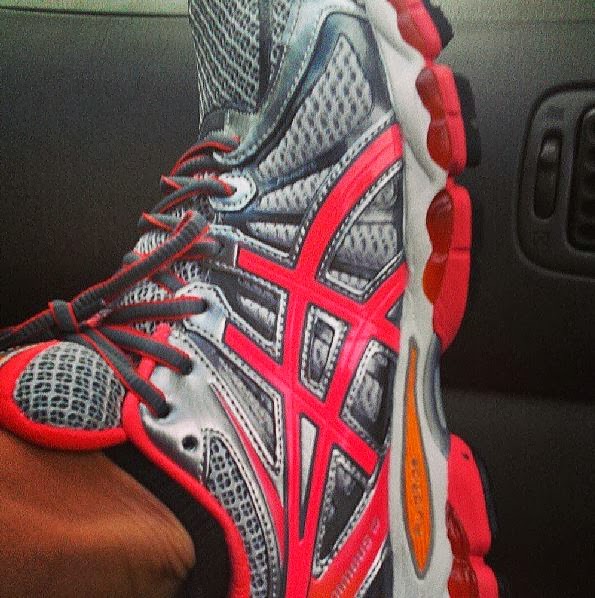
Asics Gel Nimbus

3) FIND THE RIGHT RUNNING AREA

Running is extremely therapeutic, rewarding, and dangerous. Yes, I said dangerous. Many beginning runners do not understand the safety strategies that can save your life. The first step to staying safe while running is to find a safe area to run in. Whether you are running on streets or trails, be aware that other people may and will probably not be looking for runners.

Find an area to run in that has minimal traffic, low possibility of crimes, well-lit, and provides you the ability to summon others should an emergency arise. Many state parks or small neighborhoods can provide a very safe running environment. Also, try your best to choose an area that provides you with some flat spaces and as well as hills to run on. Varying terrain will ensure you to efficiently progress as a runner. These all sound nerdy, but take it from a runner who has been hit by two-cars,  almost hit by traffic on numerous occasions, bit by multiple dogs, and been chased down by “seedy” strangers under a bridge. Pick a safe place to run that isn’t too difficult for you.

jesse running buffalo creek

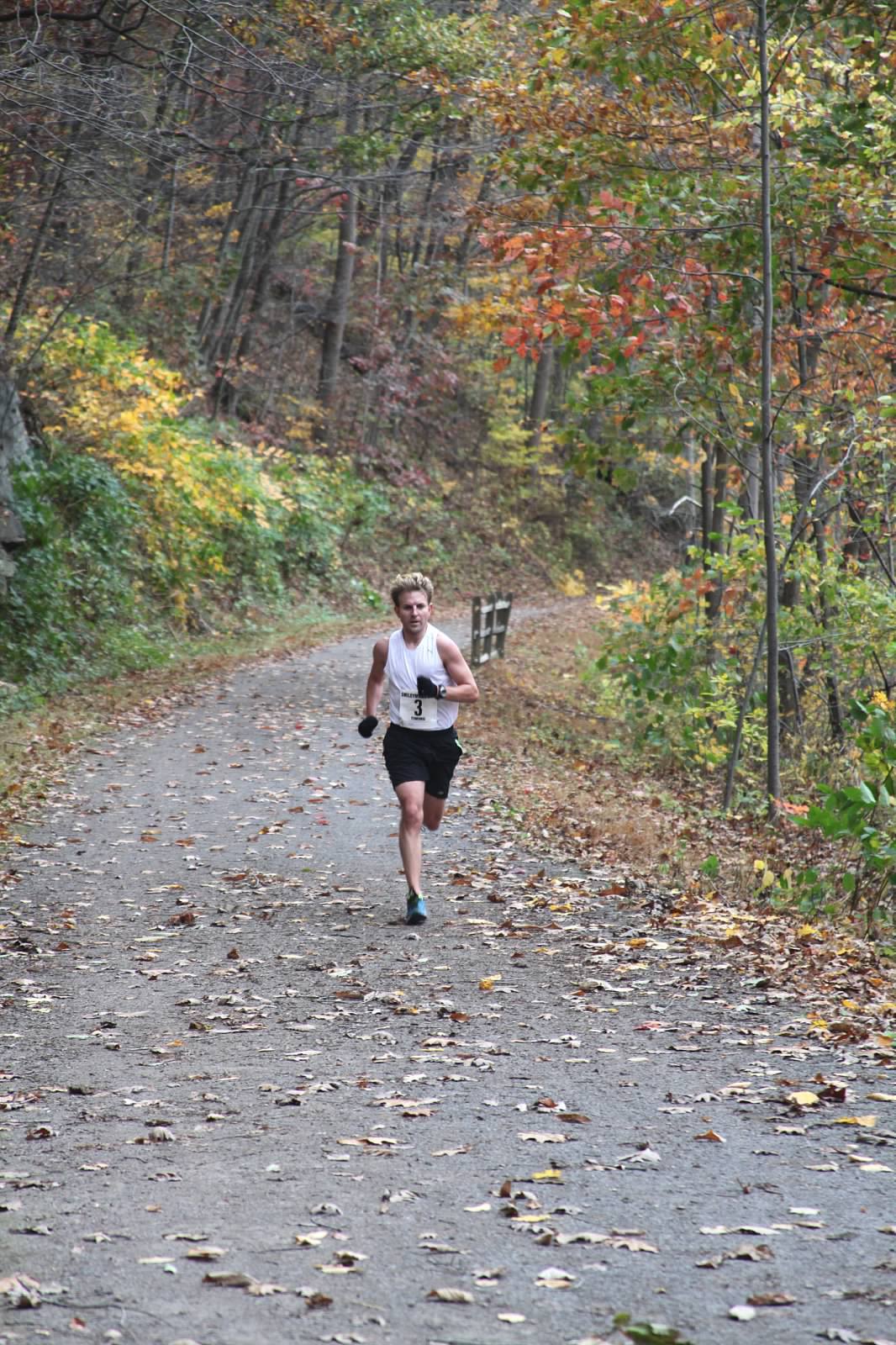
Jesse Running a Half Marathon (13.1 Miles)


4) CHOOSE A TRAINING PLAN

There are a plethora of beginner-runner schedules, Apps, and programs in books! No matter the media form you choose, pick a training plan for beginners such as a “Couch to 5k.” Having a set schedule for you to know what and when to run, walk, rest, etc. is essential to improving in any respect as a runner. Consistency is the most imperative factor of anything done in life! Running is no different, and a pre-determined schedule will significantly aide you in your journey.

You might like: Running for Beginners.

5) DO NOT BE ASHAMED TO WALK

Running is a building process! You do not say you are a runner and beat yourself up because you didn’t crank-out a 7 minute mile your first crack at it. You have to build your cardiovascular system, pulmonary system, and even nervous system to properly handle rigorous activity for prolonged periods of time. Running is the ideal example for improving ones self through consistent work. Not many other sports or activities rely so heavily on your own dedication and progress.

When you begin running and you find it difficult to breath, or you feel the pace is too much to handle, then stop! Don’t stop moving, but, stop the pace that has you breathing so heavily. Most importantly when you are beginning, you do not want to push yourself to the brink. Working to hard to fast will lead to injury or difficulty sticking with running. The best way we coach people to build all of their capabilities to run for any distance is to mix walking and running. Try walking for the first 3-5 minutes of a run in order to elevate your heart rate closer to a running pace. Then, try running for 2-5 min switching walking and running until you’ve reached your time or distance goal for that day. Luckily, most beginner running programs (as mentioned above) will have walking or “active rest” breaks built into the regimens.

6) RUN FOR FUN…WITH A FRIEND

As per most things in life, it’s better with someone! Running is no different. Try to find a person who is at or near your running capabilities to run with. You do not need to run with them every time but, having scheduled runs with other people will help you stay more consistent and accountable with your own training. Plus, running can get very boring from time to time. Having a running-buddy to talk with and share motivation/complaints with is extremely fun! Not to mention, running with someone helps keep you safe.

half marathon mel monty jesse

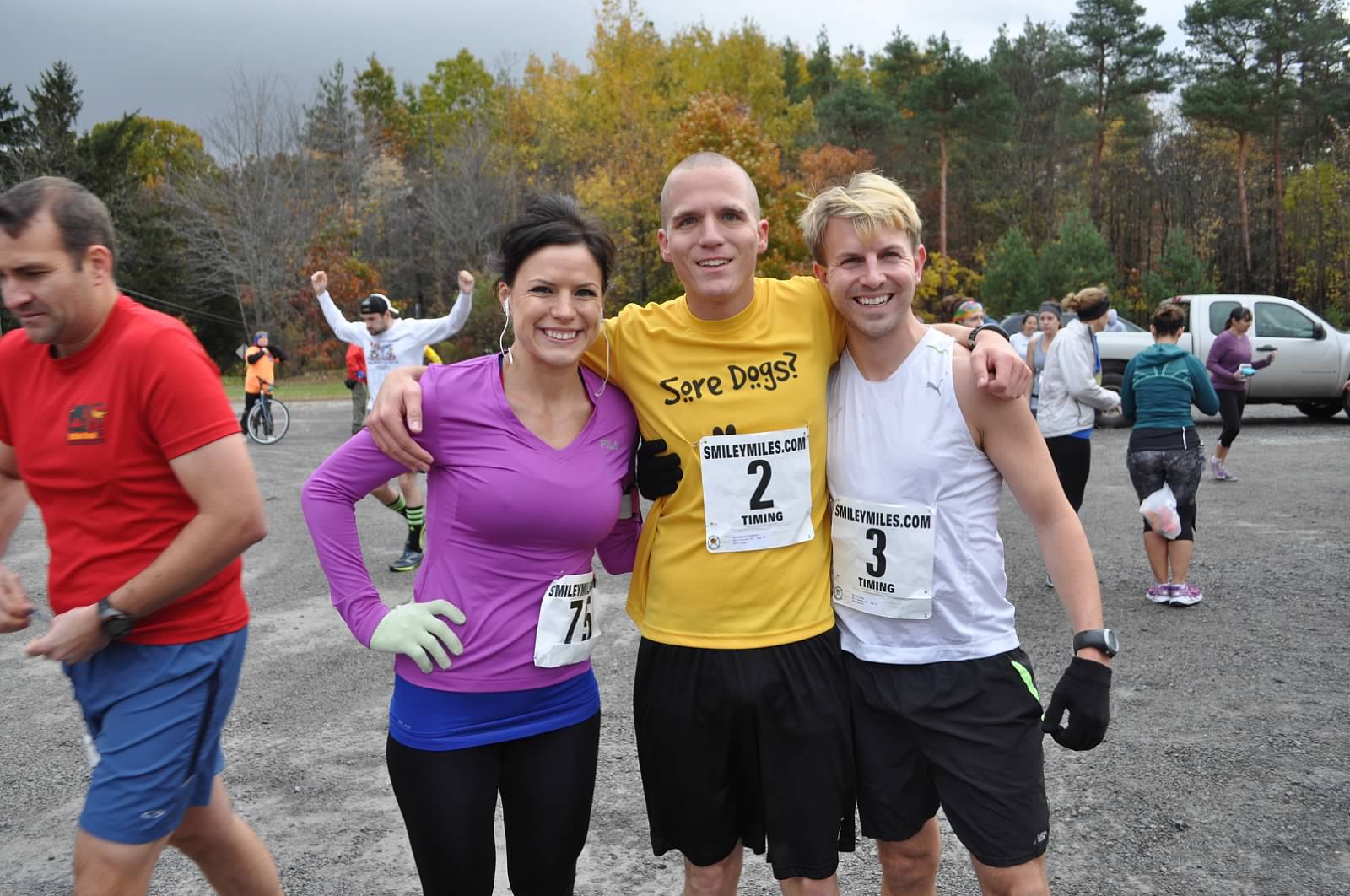
Melissa, Monty & Jesse: Race Day Pals

I hope these tips are helpful in the slightest for you! Please, leave us any running/fitness questions or comments for future posts and videos!

NEXT RUNNING ARTICLE:

SAFETY TIPS FOR RUNNERS/WALKERS!

Track or Treadmill Workout for Faster Running Paces: 400 Repeats for a Faster 5K Pace

Standard

Hi Everyone!

Yesterday I got in a great running workout on the track. This is a great workout for improving your speed and endurance. If you want to become a faster runner you need to learn how to push your body, and how to pace yourself.

During races, or longer workouts, pacing yourself is key to successfully hitting your goal paces during a run. Most people can’t naturally lock into a pace and hold it there throughout a run. It takes practice to learn your pacing, but it will help you become a much more efficient runner.

The total distance for this workout is 5-Miles, but you can adjust the length of the workout for your own needs. You can do this by decreasing the number of repeats, and adjusting the length of the warm-up and cool down. This workout focuses on developing your Fast Twitch muscle fibers, while also incorporating endurance. More fast twitch muscle fibers translate to faster running speeds.

Equipment: Timer and Running Shoes.


400 Repeat Workout for a Faster 5K Time

Warm Up: 1-Mile at an Easy Pace

Workout:

Six 400 Meter Repeats (400 Meters= 1 Lap on a Standard Track or .25 Miles on a Treadmill) faster than your goal race pace.

After each 400 Meter Repeat do 400 Meters at a light/recovery pace.

Total Laps: 12

Cool Down: .5 to 1 Mile Easy Pace and Stretching

*Judge your paces based on your goal race pace. For example, if you want to run a 7:00 min/mile pace your 400 meter repeats should be 1 minute and 45 seconds.

Sub 30-Minute 5K Pace: 400 Meter Repeats in 2 Minutes and 23 Seconds.

8 Minute/Mile Pace: Each 400 Meter Repeat in 1 Minute 59 Seconds.

Push during your Hard paces, and use your jogging intervals for recovery.

Have fun! If you try this workout let me know what you think!
Melissa

running

5K Training for New Runners

Standard

Hi Everyone!

Getting started with Running can be intimidating. Your lungs hurt, your legs hurt, and sometimes you feel like you could walk faster than you are running! Don’t worry, we all feel that way when we start. It doesn’t mean you can’t do it!

Last month I went to San Francisco and trained Rose from MyChangeforaTen.com. Rose did not believe that she could run, but I knew she could. She is now in love with running!

I created a running training program to get her started. First she is going to train for a 5K. Her long term goal is to complete a Half Marathon.

The first thing I taught Rose was to Slow Down. Huh? Slow Down! That seems counter-productive with running. Doesn’t it?

Nope! With running the first thing you want to build is your running endurance. Before worrying about how fast you are going, you want to know that you can run a certain distance or time period without stopping to walk.

When Rose paced herself she was able to run continuously 1.5 miles, take a short break, run back 1.5 miles…without stopping to walk. She was amazed at her ability to complete this task. The next run we did she was able to go 2 miles straight without stopping for a break, and completed 1.2 miles on the way back home.

Below you will find the Running Training Schedule I created for Rose. She started with a foundation for being able to run continuously. If you are still building to that point check out this article: Running for Beginners. If you are already able to run 20-30 Minutes without stopping you can follow the plan below.

Part 1:

Run 3X Per Week for 2 Weeks

Goal: Run 3.1 Miles or 30 Minutes continuously at a comfortable pace.

Types of Runs:

1. Slow Easy Run: Run Continuously without Walking. Don’t worry about pace.

Part 2:

Run 3-4X Per Week for 4 Weeks

Goal: Improve consistency and pacing.

Types of Runs:

1. Two to three Easy paced runs at a comfortable pace: 3.1 miles or 30 minutes.

2. One to two runs at a slightly faster pace. Moderate Pace: You should be pushing and breathing heavier, but able to talk if needed. Use a stopwatch, phone running app or GPS watch during runs. Complete the same run you do on your Easy days, but focus on doing it a little bit faster. Don’t go to fast, you still want to complete the run without stopping to walk.

Part 3:

Run 3-5X Per Week

Goal: Improve Speed, Consistency and Endurance.

1. Two to three Easy paced runs at a comfortable pace: 3.1 miles or 30 minutes.

2. One Moderate Pace Run per Week.

3. One to Two Speed Workouts. Select 1-2 of the workouts below and incorporate them into your week).

  • 5 Minutes Easy/5 Minutes Hard:

-5 Minute Warm-up, Run 5 Minutes at Easy Training Pace, Transition into 5 Minutes Hard (Faster than your Moderate Training Pace), 5 Minutes Easy, Complete with 5 Minute Cool Down. Total Workout Time: 25 Minutes.

  • In-Run Sprints:

During your run incorporate 20-Seconds Hard Sprinting followed by 40 seconds at normal running pace. Repeat this 4-6 times during a normal 30-minute run. Start the sprints at the 10 or 15 minute running mark.

  • Run 25-30 Minutes at your normal pace. Complete the run with four to six 20-second sprints. In between sprints walk back to your starting point.

If you are ready to start improving your running speed/Race Times check out these articles:

6 Training Runs You Should Be Doing to Improve Your Speed

Track Workout for Speed & Endurance: Goal Race Pace Memorization

Progression Run: How To & Benefits

How To: Run a Ladder Workout


Pittsburgh Half Marathon-2015 Race Recap

Standard

Hi Everyone!

On Sunday I ran the Pittsburgh Half Marathon. It was my third Half Marathon, and my first time running in downtown Pittsburgh. During college I lived in the dorms in downtown Pittsburgh, but at that time in my life the thought of running never even crossed my mind.

When it comes to Half Marathons I have developed a very bad habit. I sign up for the race on a whim and see where the run takes me. I signed up for my first Half 4-weeks before race day (you can read about it HERE), my second Half two weeks ahead of time, and this time 3-days before race day. For my second Half Marathon I was out of commission for a month after being rear-ended while driving on my way to work, so my training was severely limited.

For this race, my friend Nicole, had been training for her first Half. She was running with our coach/running guru, Shep. Her goal pace was 9:30-10 minutes per mile. I decided to run the Pittsburgh Half Marathon with Nicole and Shep. I thought that I would treat it as a long run at a slower, steadier pace, instead of focusing on the fact that it was a race. Although I have been running, my training hasn’t been as consistent as I would like and I didn’t want to injure myself by pushing to hard.

I ran the first 8-8.5 miles with Shep & Nicole, and then I got separated from them (the number of people running was insane!) The sheer number of people, the beautiful weather and the adrenaline of the race made it difficult for me to hold the goal pace. My body wanted to move faster!

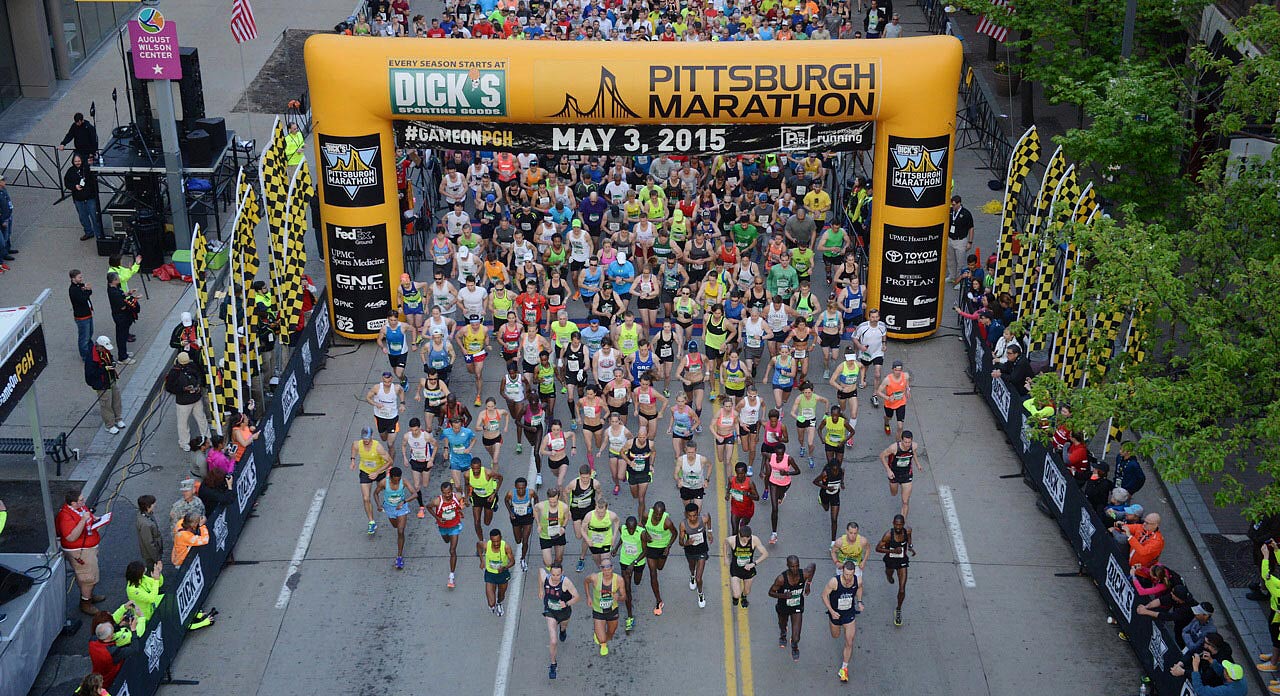
Pittsburgh MarathonStart


After I got separated from Shep and Nicole, I picked up my speed a bit to finish the race. It was very difficult to speed up due the number of people running. I am now motivated to train for a Half Marathon and see how much I can improve my time. My first two Half Marathons I completed in 1:46 and 1:47. This Half I completed in 2 hours. Even though I was purposefully moving at a slower pace, something about the run really inspired me to want to see what I could do if I put in the training time.

Running is a physical display of training, effort and consistency. You have earned your place in that race through miles of sweat and hard work. It doesn’t matter if you are running a 5 minute mile or a 15 minute mile. By training, and stepping out on that course you are accomplishing something.

I definitely want to run the Pittsburgh Half again. It was beautiful. Running across the bridges and begin surrounded by cheering people felt amazing. The view of Point State Park from the West End Bridge was gorgeous. There were musical acts along the course, and people handing out water & gatorade. There were some people handing out beer (I declined). There were a ton of hilarious signs. The support, and the feeling of running with so many people was amazing. Everyone on that course set out to accomplish something that day, and just by showing up for the race they did that.

I want to hear about your race experiences! Tag me in your photos on Instagram: @BenderFitness #TeamBenderRuns #BFRaces You can also tag Jesse: @BenderCrosby1

Do you have a favorite race distance? A goal? An accomplishment that you are particularly proud of? I want to hear about it! Let’s share motivation!

It’s time for me to film a new workout. I will see you soon!

Melissa

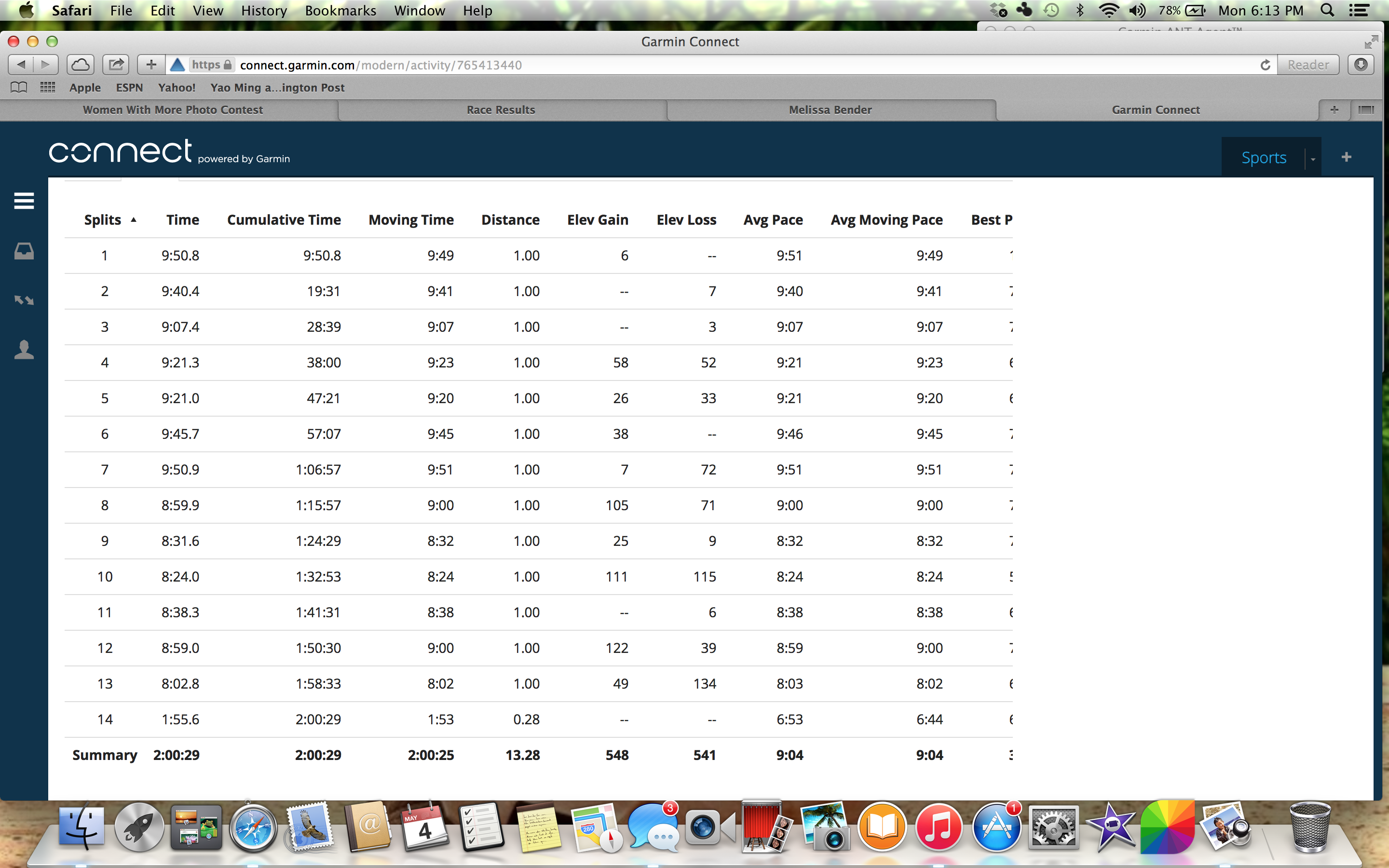
Screen Shot 2015-05-04 at 6.13.22 PM

Pittsburgh Half Marathon Splits


288794_195287242_XLarge 288794_195287243_XLarge 288794_195287244_XLarge 288794_195322227_XLarge 288794_195815712_XLarge

Running for Beginners

Standard

Hi Everyone! 

If you are new to starting a running program this article is for you!


Getting started with running can seem intimidating, but you can do it. The beautiful thing about running is that it doesn’t take long to see improvement. Still not sure? Check out my article Running Made Me Cry…How I Became a Runner.


If you are brand new to running, the first step is to build your endurance. This can be done by alternating walking and running. If you are already able to run continuously for 20 minutes you can skip ahead to Beginner Running Series 2. 


Beginner Running Series 1: Each Workout can be repeated 3-4X per week. Non-Running Days can be used as rest, walking, or cross training days. Get a minimum of 2 days of total rest per week.


Workout Week 1: 

Walk 2 minutes, Run 1 minute. Repeat this sequence 7 times for a total time of 21 minutes.  (3-4X this week)


Workout Week 2: 

Walk 1.5 Minutes, Run 1.5 Minutes. Repeat 7 times for a total of 21 minutes. (3-4X this week)


Workout Week 3:

Walk 1 Minute, Run 2 Minutes. Repeat 7 times for a total of 21 minutes. (3-4X this week)


Workout Week 4

Walk 1 Minute, Run 5 Minutes. Repeat 4 times for a total of 24 minutes. (2-3X this week)

Walk 5 Minutes, Run 10 Minutes, Walk 5 Minutes. Total Time: 20 Minutes. (1X this week)


Workout Week 5

Walk 1 Minute, Run 10 Minutes. Repeat 2 times for a total of 22 minutes. (repeat 2X this week)

Walk 1 Minute, Run 5 Minutes. Repeat 4 times for a total of 24 minutes. (1X this week)

Walk 3 Minutes, Run 15 Minutes, Walk 3 Minutes. Total Time: 21 Minutes. (1-2X this week)


Workout Week 6

Walk 3 Minutes, Run 15 Minutes, Walk 3 Minutes. Total Time: 21 Minutes. (repeat 2-3X this week)

Brisk 5 Minute Walk, Run 20 Minutes, 5 Minute Cool Down. Total Time: 30 Minutes.


It is important to note when running you should be moving at a pace that you can maintain a conversation at. When you are just starting a program you don’t need to include speed work or sprinting. This will come later when you are ready for a new challenge. 


Beginner Running Series 2: 

At anytime during this series you can modify the routine by selecting a workout from one of the previous weeks to decrease the intensity and allow your body proper recovery time if you are experiencing increased fatigue or difficulty completing the workouts.


Workout Week 1

Brisk 5 Minute Walk, Run 20 Minutes, 5 Minute Cool Down. Total Time: 30 Minutes. (3-4X this week)


Workout Week 2

Brisk 5 Minute Walk, Run 25 Minutes, 5 Minute Cool Down. Total Time: 35 Minutes. (3-4X this week)


Workout Week 3

Brisk 5 Minute Walk, Run 30 Minutes, 5 Minute Cool Down. Total Time: 40 Minutes. (3-4X this week)


Workout Week 4

Brisk 5 Minute Walk, Run 25 Minutes, 5 Minute Cool Down. Total Time: 35 Minutes (1-2X)

Run 3 Miles or 30 Minutes. (1-2X)


Workout Week 5:

Run 3 Miles or 30 Minutes. (1-2X)

Brisk 5 Minute Walk, Run 20 Minutes, 5 Minute Cool Down. Total Time: 30 Minutes (1-2X)

-Run 3.5 Miles or 35 Minutes


Workout Week 6:

Run 3 Miles or 30 Minutes. (Repeat 2X this week)

Brisk 5 Minute Walk, Run 20 Minutes, 5 Minute Cool Down. Total Time: 30 Minutes (1X)

-Run 4 Miles or 40 Minutes


*You are now ready for a new challenge! How about signing up for a 5K?

BenderFitness Q&A: How to Run Faster, How Many Calories Do you Need, Fave Exercises & More!

Standard

Hi Everyone!

Jesse and I answered some of the questions you asked on the BenderFitness Facebook page. We hope you find this Q&A video helpful. Everyone asked great questions. Hopefully you find our answers helpful.

Here are some links you might like, relating to some of the questions you asked:

Running related posts, 6 Training Runs you Should Be Doing to Improve Your Speed, Track Workout for Speed & Endurance: Goal Race Pace Memorization.

Sample Meal Plan.

Bender Bikini Competition Diet.

I took a Ballet class tonight, so I didn’t have time to film a new workout. I will be filming a new workout when I get home from work tomorrow. In the mean time you can check out my BodyRock Boot Camp Week 4 Schedule, or try my Dancer Body Workout, which combines dance inspired moves with dumbbells.

Have fun and we will see you tomorrow!

Melissa & Jesse

6 Training Runs You Should Be Doing to Improve Your Speed

Standard

Do you find yourself doing the same run over and over again? Whether it’s outside or on the treadmill it can become easy to find a comfortable pace and route. Get out of that rut! It’s time for a change. 

These runs should be included in your training. You will keep your body challenged, improve your fitness, and avoid mental and physical complacency while improving your speed. 


1. Cruising Pace Run: This should be your normal running day. You don’t push, but you don’t go easy. Let your body go at a comfortable pace without pushing or holding back. 


2. Threshold/Tempo Run: Work at 85% of your race pace (Lactic Threshold Pace-slightly slower than race pace). Be sure to include a warm-up and cool down. This type of run is meant to improve your ability to work at a higher level of effort for longer time periods (i.e. Improve your race pace!)

Example: 1 Mile Warm-up, 3 miles at Lactate Threshold Pace, 1 Mile Cool Down. 


3. Progression Runs: Add a section of harder work during your run. Typically this is added at the end of the run, but the timing can be varied. This type of run trains you physically and mentally to run at a harder pace when your body is tired. This is essential in the later miles of a race. This type of run also improves your speed without wearing down your body as much as completing the full distance at this pace. 

Example: 10 Mile Training run-7 Miles at Easy or Cruising Pace, 3 Miles at Half or Full Marathon Race Pace. 

Example 2: 10 Mile Training Run-7 Miles at Easy or Cruising Pace, 1.5 Miles at Full Marathon Pace, 1.5 Miles at Half Marathon Pace


4. VO2 Max Run: Running at your goal race pace and slightly faster for shorter time periods. This improves your speed and leg turn over, and prepares your body for running at the desired race pace.  

Example: For 5K: 5 1000 meter runs (1Ks) with rest or jogging rest between repetitions. 

Example 2: Hill Repeats: 30-60 second up-hill sprint. Try to reach the same spot each time for up to 60 seconds. Walk or jog back to your starting point and repeat 5X. 


5. Long Run: This should be done at an easy pace. The effort goes into building the mileage not the speed. This run will increase your endurance, and improve your bodies blood volume. Do not push the speed during your long run. This run is sometimes referred to as your LSD (Long Slow Day). 

Example: 10 miles at a comfortable pace. 


6. Recovery Run/Easy: Slow, easy paced run. Very low effort run. You shouldn’t be out of breath during this run. Benefits of a recovery run include, increased blood volume, promotes healing of your muscles, improves removal of lactic acid build up in your system, and decreases muscle soreness. 

Example: Easy 3 mile run. 


***Do Not Forget to Include a Rest Day****


Rest Days are just as essential to your progress as training days. Your muscles make strength gains during rest. 


Example Training Schedule:


Sunday: Long Run

Monday: Easy/Recovery Run or Rest Day

Tuesday: Threshold/Tempo

Wednesday: Easy to Cruising Pace

Thursday: VO2 Max

Friday: Easy/Recovery or Rest Day

Saturday: Progression Run

Preparing for Race Day

Standard

Race Day. It’s the day all of your training has been preparing you for. Whether you’re a first time racer or a veteran going for a new PR (personal record) you may find that race day nerves hit. 


One of the best ways to deal with the race day jitters is preparation.  


Of course the first step of your race day preparation is your training, but a little extra planning to help smooth out the day of the race can decrease any anxiety you may be feeling. 


2-3 Days Prior to Race Day:


-Sleep: Often it’s difficult to sleep the night before a race. You will run best if you are well rested. You can start this process a few days before the race. You have probably tapered off your training to rest your muscles, don’t negate those effects by skimping on sleep. 


-Diet: Make sure you are getting in enough high quality carbs. 2-3 nights before the race you want to increase your carbs (especially if you are doing a longer distance race). Don’t make any drastic changes to your diet, or experiment with a lot of new foods. Food is fuel for your race, but you don’t want to try a new type of fuel and find that you have gastrointestinal issues on race day. Your largest carb loaded meal should occur 2 nights before the race, and not the night before. Meals should also include lean proteins. Foods to avoid: Dairy (unless you know this agrees with you), processed and fatty foods. High quality fats (fish, avocado, coconut) are okay, and can actually improve your endurance on race day, but only include these if you have tried it during your training. Make sure you are hydrating!

-Clothing: Make sure your race day clothing is clean for race day. Race day isn’t the time to try out a new outfit or pair of shoes. Race in something that you know is comfortable. Trust me on this one. I ran in a brand new sports bra and ended up with cuts around my rib cage where the bra was rubbing. 


Day Before the Race:


-Sleep: Try to get a good night’s sleep. If you have trouble sleeping due to the excitement don’t worry about it to much! That’s very common, and most of the other runners are probably experiencing the same thing. 


-Diet: Stick to what you know. If you want to continue carb loading eat your larger carb meal at lunch. Dinner should include some high quality protein. Eat enough food to feel nourished, but don’t over do it. When you don’t sleep well your body doesn’t digest your food as well, and that can lead to GI problems on race day. 


-Clothing: Lay out everything you want to bring/wear to the race. Be sure to dress for the weather. It’s nice to have a clean shirt to change into after the race (especially if you get sweaty and it’s cold outside). Don’t forget to lay out your shoes and socks. Don’t be tempted by any new clothing purchases you have made that haven’t proven themselves run proof. Some people sleep in the clothes they are racing in to eliminate a step the next day. 


-Extras: Pack anything extra you might need to bring. Clean socks for after the race. If you have asthma don’t forget to bring an inhaler. If you are using gu packs, snacks, or any supplements for use before, during or after the race make sure they are packed (If you haven’t trained with these do not try them for the first time on race day!) Camera/phone if you want to commemorate your day or pre-post race experience. You might need band aids for your nipples (lots of men require this), and A & D ointment to prevent chaffing. 


-Make sure you know where you are going! Review any directions/GPS, race start time, sign in/registration times. Don’t forget cash for registration if you’re registering day of. 


Day of the Race:

-Wake Up and eat breakfast/drink coffee as usual. Try to eat about 2-3 hours before the race starts. Don’t try anything new or crazy (have I stated that enough?) Have a little bit of water, but don’t overhydrate. You should have stayed well hydrated over the last few days. Over-hydrating can negatively impact race performance and lead to cramps. Stop drinking water about 1 hour before race time. One bottle of water pre-race (about 16 ounces) should be enough. 


-Apply anything you need for the race (band aids, A&D, etc). 


-Make sure you have directions, and give yourself plenty of time to get to the race venue. 


-Don’t forget any of the items you pre-packed. If you are wearing racing flats make sure you have them with you. 


-Register/check in. 


-Check shoe laces, and timing chip (if your event is using chips). 


-Do a light warm-up before the race. Keep the warm-up dynamic (jogging, strides, plyo). Static stretching should be saved for after the race. 

-Enjoy your day! You worked hard to get to race day! Relax, take a moment to appreciate your body and mind for all of the work it took to get you to the starting line, and run your race!

No Excuses! 5 Techniques to Get You Running When You Aren’t In the Mood

Standard

Hi Everyone!

As the winter draws to a close (hopefully!) I find myself saying “I can’t wait for it to be sunny! I just want to RUN!” 

The truth is there doesn’t have to be sunshine to get in a run. I have run in snow, rain, freezing temperatures and blistering heat. This winter has been particularly harsh and cold where we live. It has kept me inside more times than I would like to admit to. 

It is time to run. No more excuses. 

I already have two 5Ks on my agenda in the upcoming months, and I would like to add at least two more. I would also like to repeat the Half Marathon I did last year, and improve my time. That means I need to be consistent with my training. 

Consistency is the key to running more efficiently, faster, and healthier. You also need the right training. 

Here are some techniques to get moving when you aren’t in the mood:

1. Schedule Runs with Friends. This will keep you accountable and more likely to stick with the planned run. 

2. Dress Appropriately for the Weather. In winter this means layers. You should have a sweat wicking layer against your skin, and additional layers over that. Wear a hat and gloves. Don’t forget your feet. Running shoes aren’t known for being warm. I have come home with frozen toes when I didn’t wear thick enough socks in winter. 

In the summer don’t try to go out running in a rubber suit. It won’t help you lose fat. It can help speed your toward heat stroke. 

Either way your run will go better (and thus be more likely to be repeated) if you are dressed appropriately. 

3. Set Goals. You can set a goal for weekly mileage, or a certain number of minutes of running per week. You can aim to run a certain number of days per week. Mark it on a calendar or in a journal where you can see your goals, and keep track of it. Having a visual record can motivate you to get in your planned workouts. 

4. Pick a Race to Train For. Whether you are a race pro or training for your first event, having something to train for can be very motivating. It doesn’t matter if your goal is to set a new PR or make it through the entire race without stopping. Goals are motivating. They give you a reason to get moving and keep moving. 

Racing is becoming more and more popular and there are a lot of fun runs out there you can do! I am doing a Super Hero 5K with one of my friends from work. My friend, Rose, from My Change for a Ten chose a Prom Run themed 5K as her first ever race. 

If you recruit your friends to do the run with you you have built in training partners to help keep you motivated. 

5. Make a Great Playlist. Sometimes I run with music, and sometimes I prefer to focus meditative/flow running. (I will write about that in another post). A great playlist can definitely motivate and get me moving. 

 The first song I heard during my first Half Marathon was Radioactive by Imagine Dragons, and the last song I heard was Work Bit** by Britney Spears and I still get that same energy I had during the race when those songs come on. 

What’s on your playlist? I asked this question on Facebook recently and was able to update my playlist to include a lot of new songs to keep me moving!

What Techniques do you use to Get Motivated? Let me know in the comments below or you can find me on FacebookInstagram or Twitter!

We Left Vacation with More than a Tan!

Track Workout for Speed and Endurance: Goal Race Pace Memorization

Standard

Do you want to improve your Speed and Endurance? This workout will help you do both! 


Here’s the breakdown:


Warm-Up: 2.5 Miles at an Easy Pace


400 Meter Repeats (X2)

800 Meter Repeats (X4)


*All Repeats should be done at desired Race Pace.

*The first time trying this workout keep rest between each repeat equal to time running. As you progress you can shorten the time of rest to increase intensity. 


Cool-Down: 2.5 Miles at an Easy Pace


Total Miles: 7.5 

Miles at Race Pace: 2.5


If you are running at a standard sized track 1 Lap=400 Meters. 


The goal of this workout is to train your body to work at race pace. You want to memorize what that pace feels like while also building the endurance to handle your desired race distance. Try to complete this workout without music or distraction. Focus on the movements of your body, your breathing, and running form (I call this Flow State). Learn to lock into the pace that you are training to achieve at your next race. 


Learning how to pace yourself is one of the most important aspects of racing. This workout isn’t about pushing as hard as you can for each repeat, it’s about pushing yourself while maintaining a specific pace. 


I will be sharing some harder VO2 Max workouts soon to help improve speed and endurance.  


My breakdown for this workout is below

Remember to always adjust for your own pace/goals. 


Goal Pace: 7 Minute-Mile Average

400: 1:45 (minutes:seconds)

800: 3:30


Warm-up: 2.65 Miles (easy pace-road running)


1. 400: 1:37 (6:27 pace)

-equal rest (1:37)

2. 400: 1:36 (6:26 pace)

-equal rest

3. 800: 3:25 (6:43 pace)

-2:30 rest

4. 800: 3:26 (6:43 pace)

-2:30 rest

5. 800: 3:29 (7:00 pace)

-2:30 rest

6. 800: 3:29 (7:00 pace)


Cool-down: 2.48 Miles (easy pace-road running)

Total distance: 7.63 Miles


I was slightly ahead of my goal pace until the last two 800 repeats, which I was able to hit at goal. I am excited to repeat and progress this workout in the future. 


Have fun with this one, and pay attention to what your body is telling you! You can adjust your goals as your training progresses. 


Melissa and Jesse