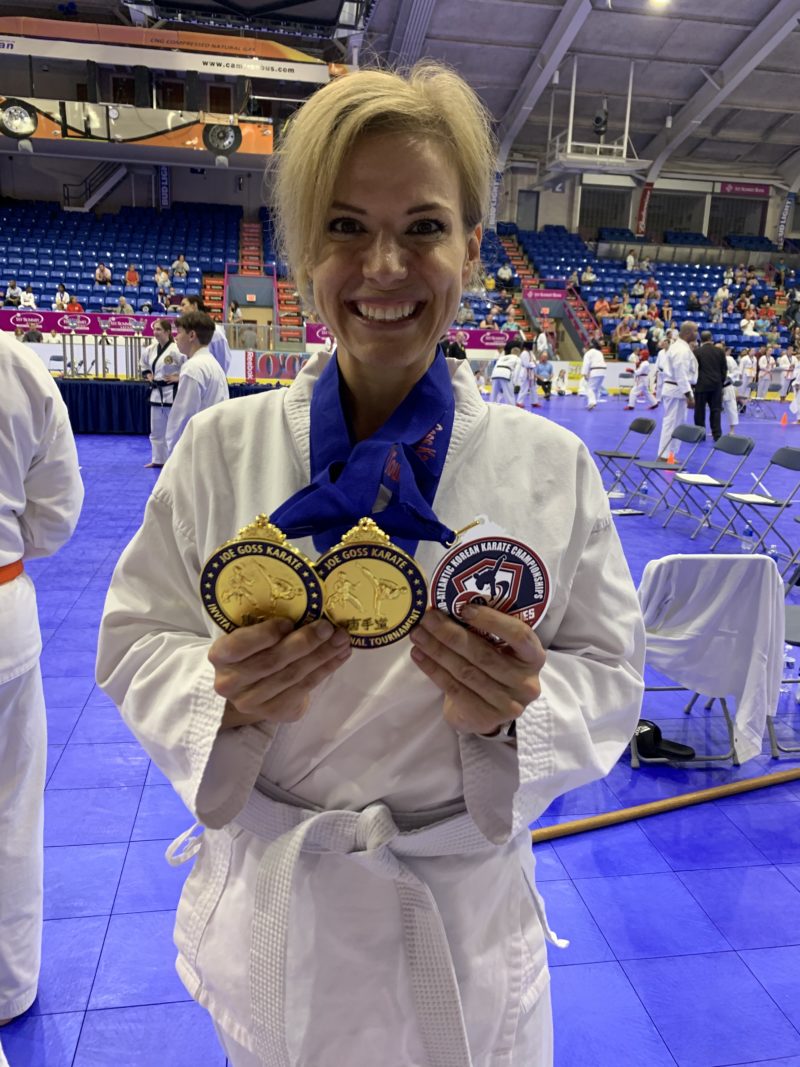
Starting Martial Arts as an Adult

Standard

Have you ever considered starting something new, but didn’t follow through because you thought you were too old? If you answered “yes” then you’re probably ready for a shift in your mindset. There is no age limit on learning new things. I firmly believe that pursing new interests and learning new things helps to keep people mentally spry.

As Betty White once said, “Don’t try to be young. Just open your mind. Stay interested in stuff. There are so many things I won’t live long enough to find out about, but I’m still curious about them.” Everyone knows, curiosity is best fed with learning.

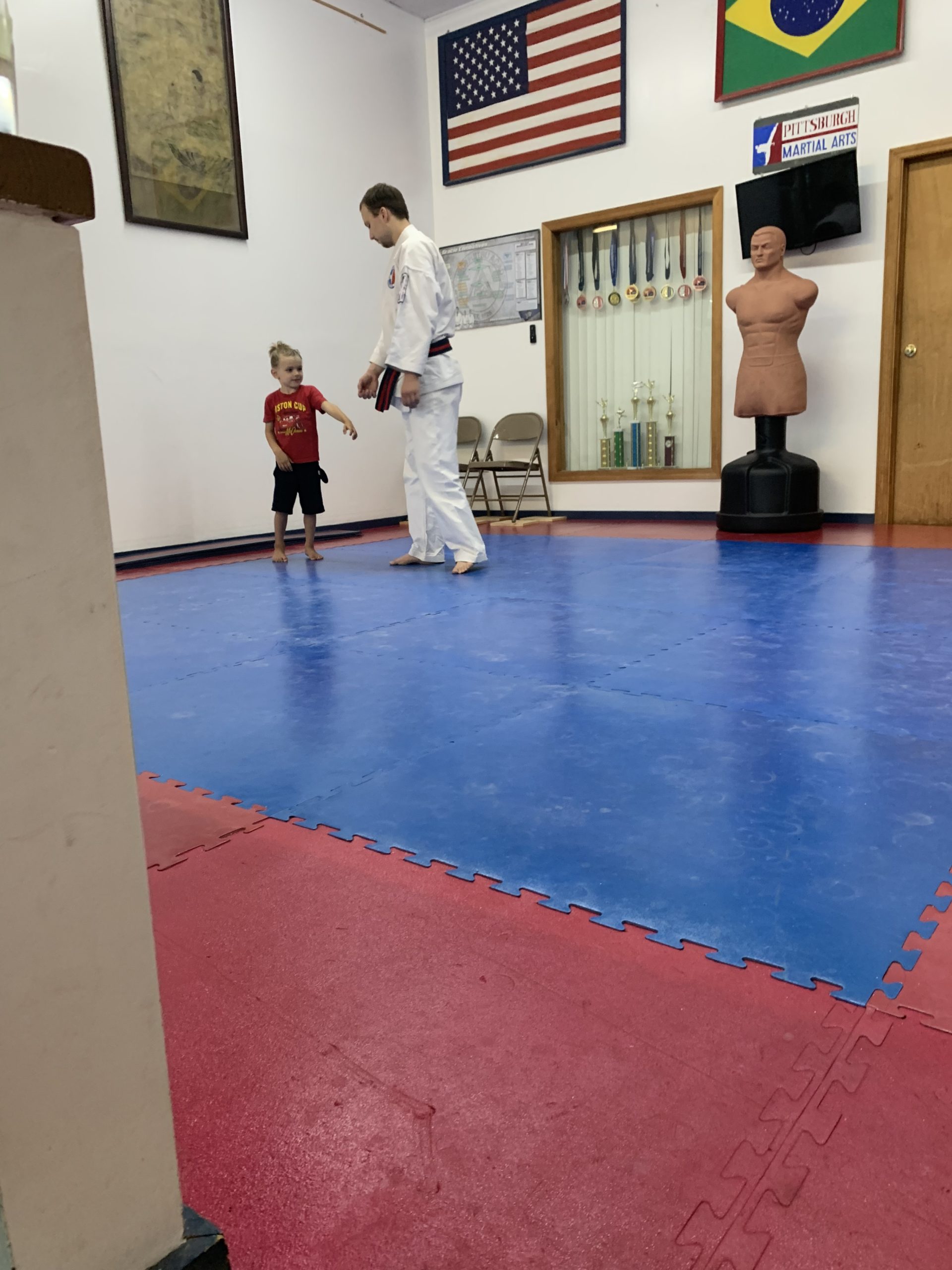
Last summer we signed our son up for Martial Arts. As a parent it appealed to me because it combines physical and mental training, as well as flexibility. As my husband and I watched our son in classes we both thought it looked like a lot of fun. The instructor, Master McClements, was very good, while also being very kind and patient.

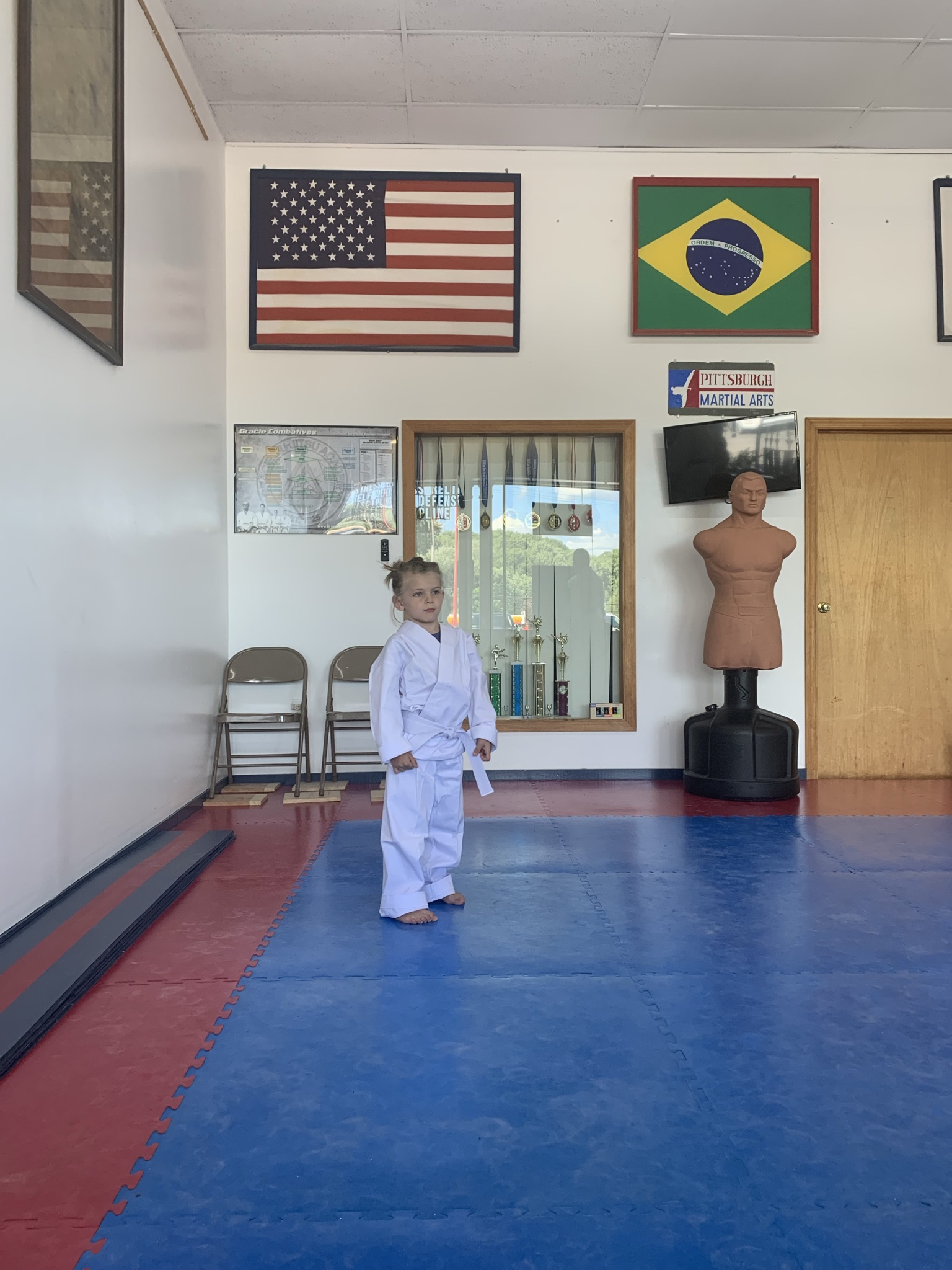
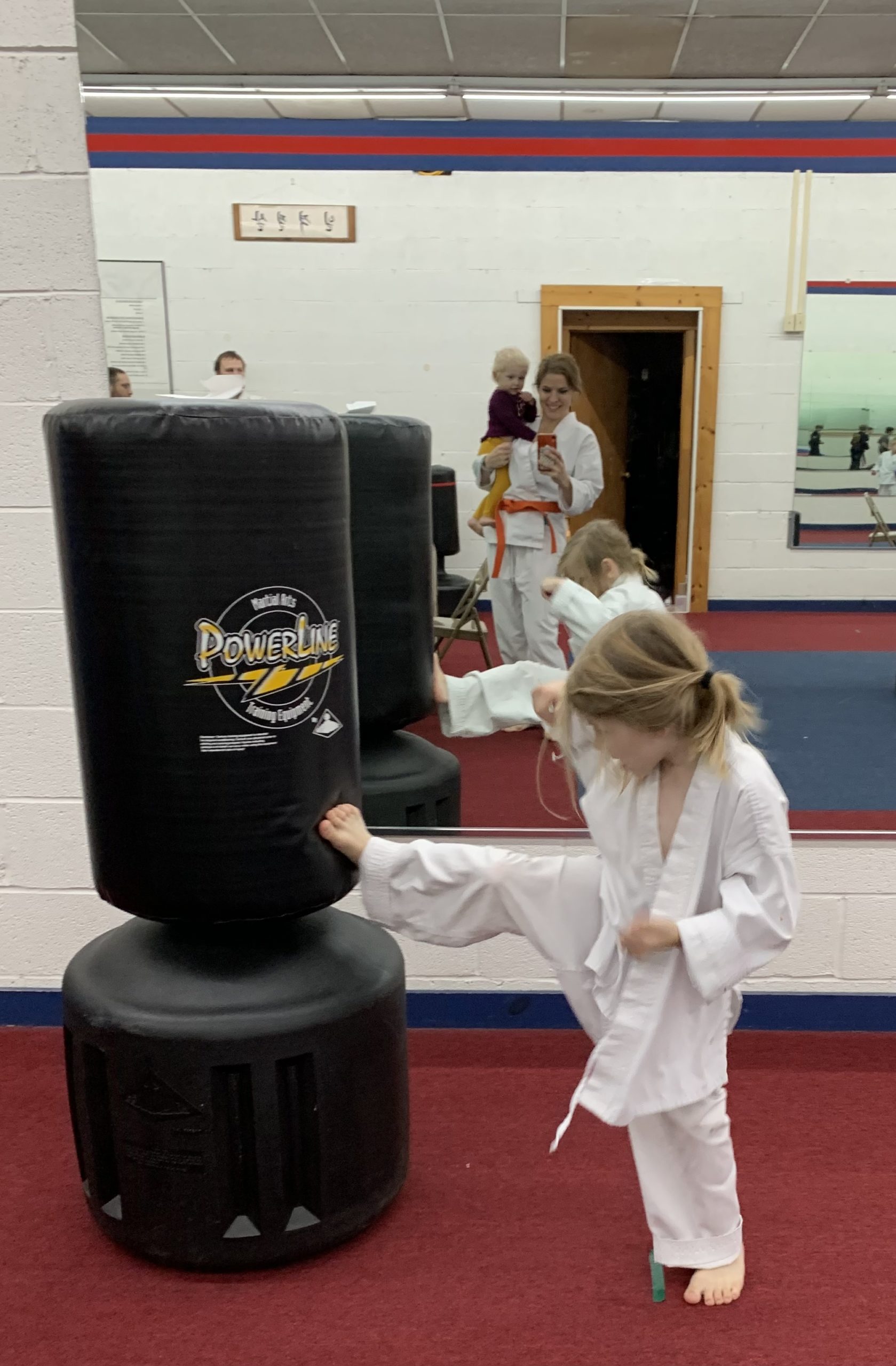
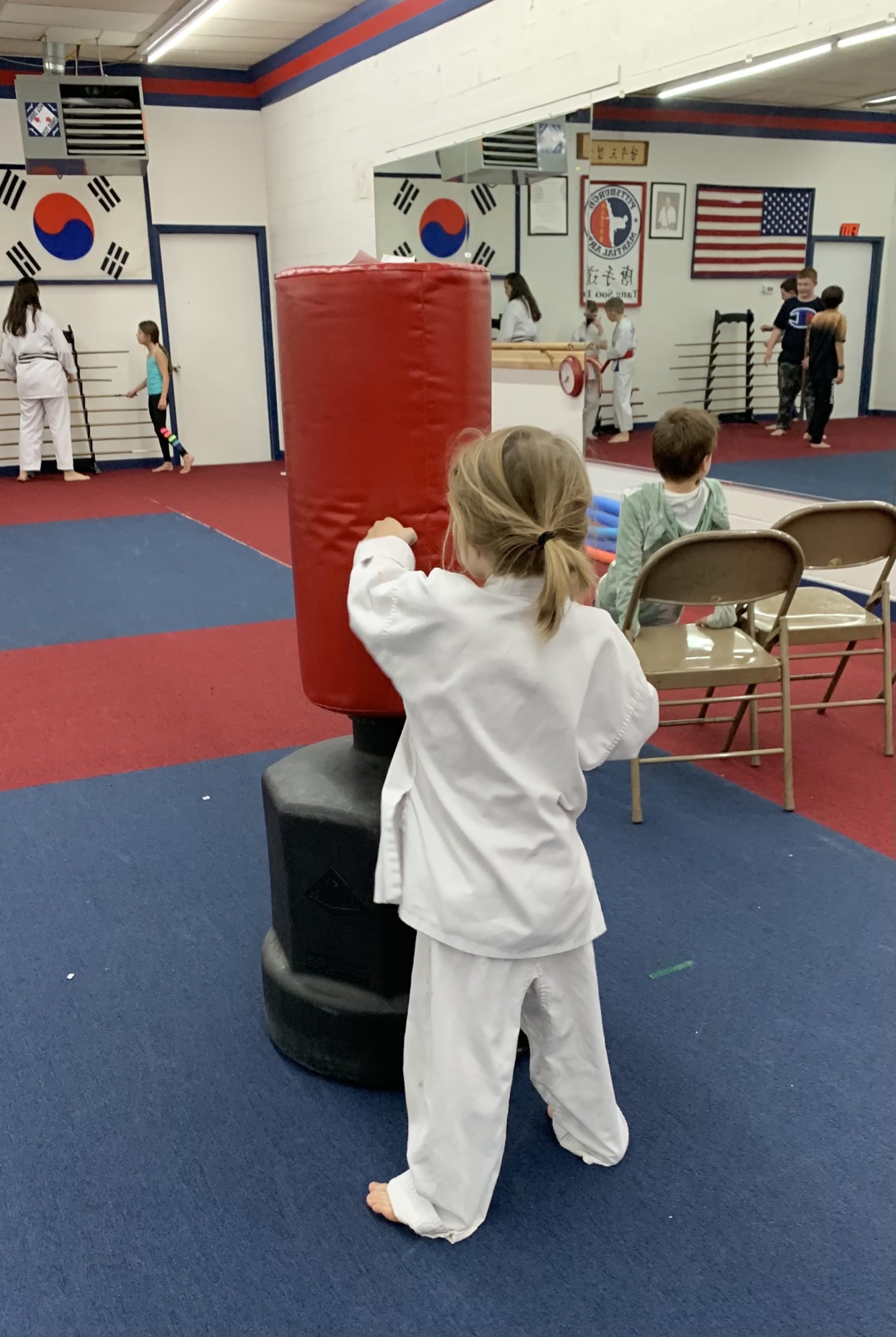
Watching our son start Martial Arts
After watching our son during a few classes we inquired about adult lessons. We started with private lessons to prepare us to join the adult classes. We needed a foundation of skills before we were ready for a group lesson.

Having a background in fitness helped us to catch on quickly, however, I was happy to see a variety of skills sets and ages in the class. Master McClements told us about a student he was training who started Martial Arts in his 70s as a way to manage Parkinson’s symptoms. My husband and I are both Occupational Therapists and we work with the geriatric population. We have both read a significant amount of research on the benefits of exercise for Parkinson’s and I was impressed by our instructor’s ability to modify and teach for multiple skill levels. I share this as a reminder that a good martial arts instructor will be able to teach you at any age and skill level. Different martial arts forms have different focuses.

Do Your Research

Do a little bit of research into your local dojos to see what each form is focused on. For example:

-Tang Soo Do (the primary training style we are learning) is primarily a standing martial art with less focus on grappling and a combination of hand and leg techniques. You learn both defensive and offensive skills. You learn both the art of the forms and the application. (*Our instructor is also studying Jiu Jitsu so we also get some additional instruction incorporating some of these techniques).
Brazilian Jiu Jitsu is focused more on grappling, ground fighting techniques and submission holds.
Taekwondo is often recognized for it’s kicking techniques, but also incorporates hand techniques. Many schools focus on competitions and this style is also an Olympic event.
Capoeria utilizes a unique combination of movements that combines ground positions, acrobatic techniques and sweeping motions.

This is not an exhaustive list. There are many forms of martial arts and often Master instructors learn more than one form, which influences their teaching style. Also, I am at the beginning of my learning process, so the descriptions above are very simplified.

What to Expect in Class
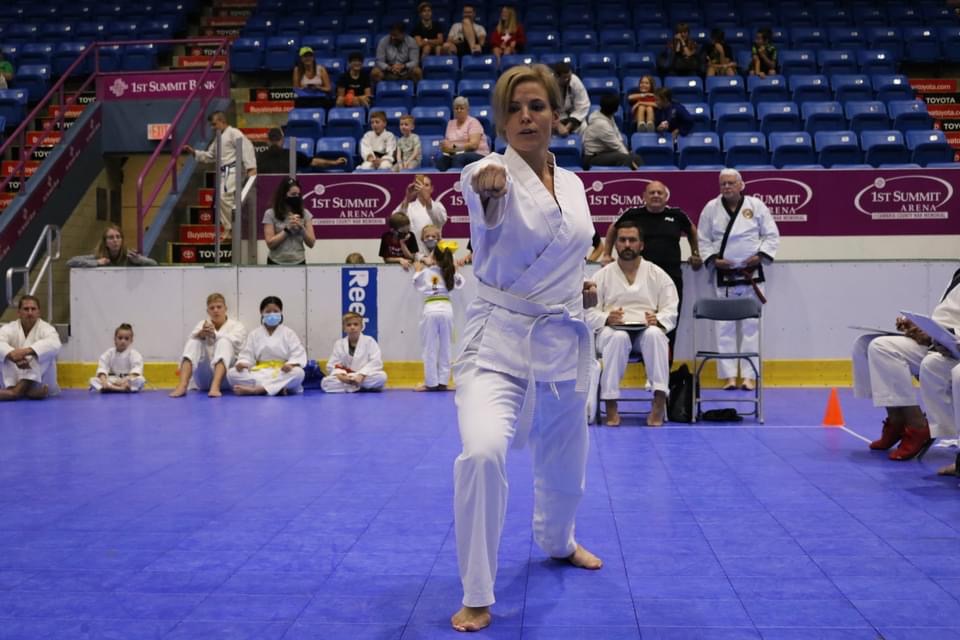
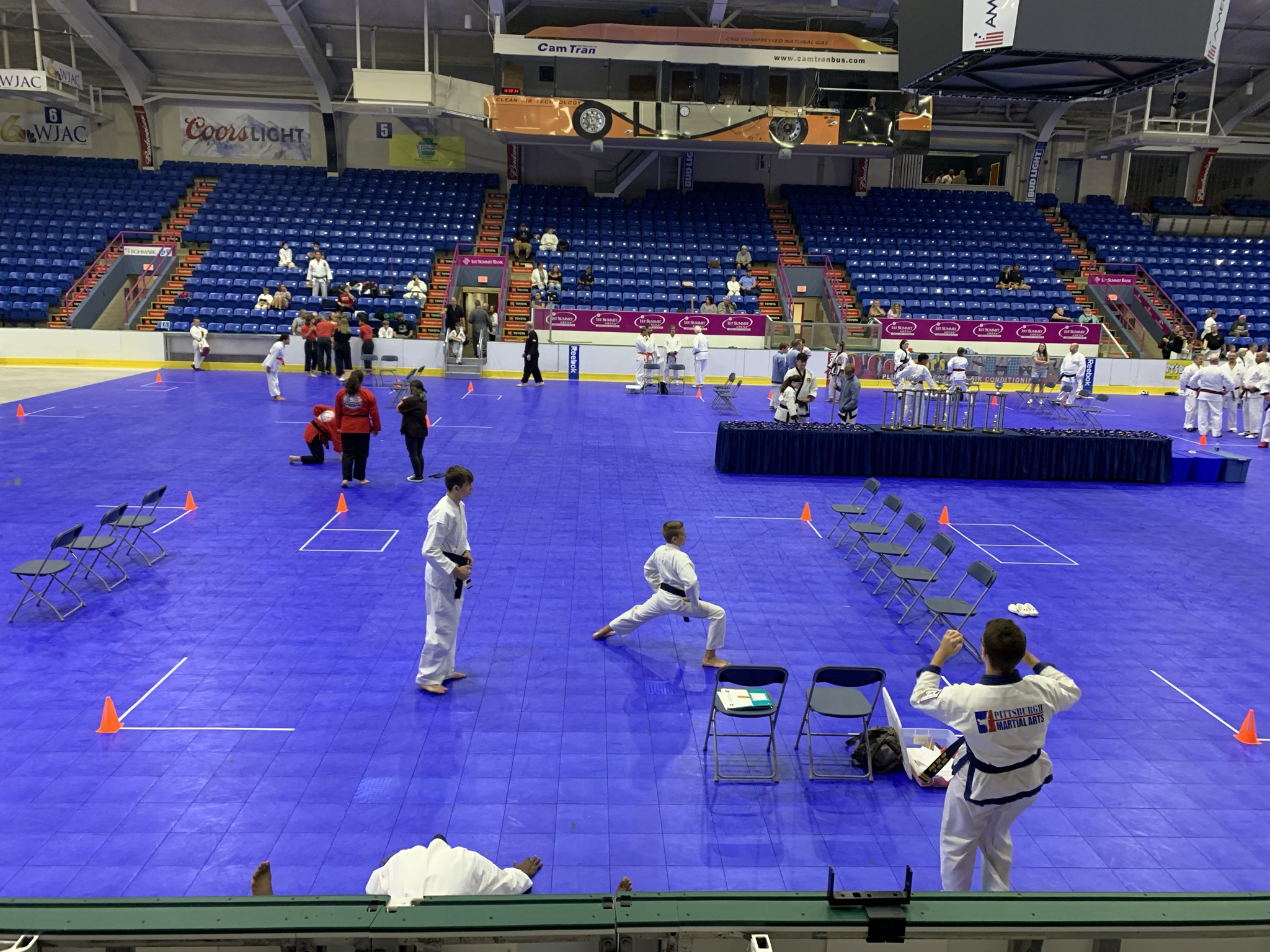
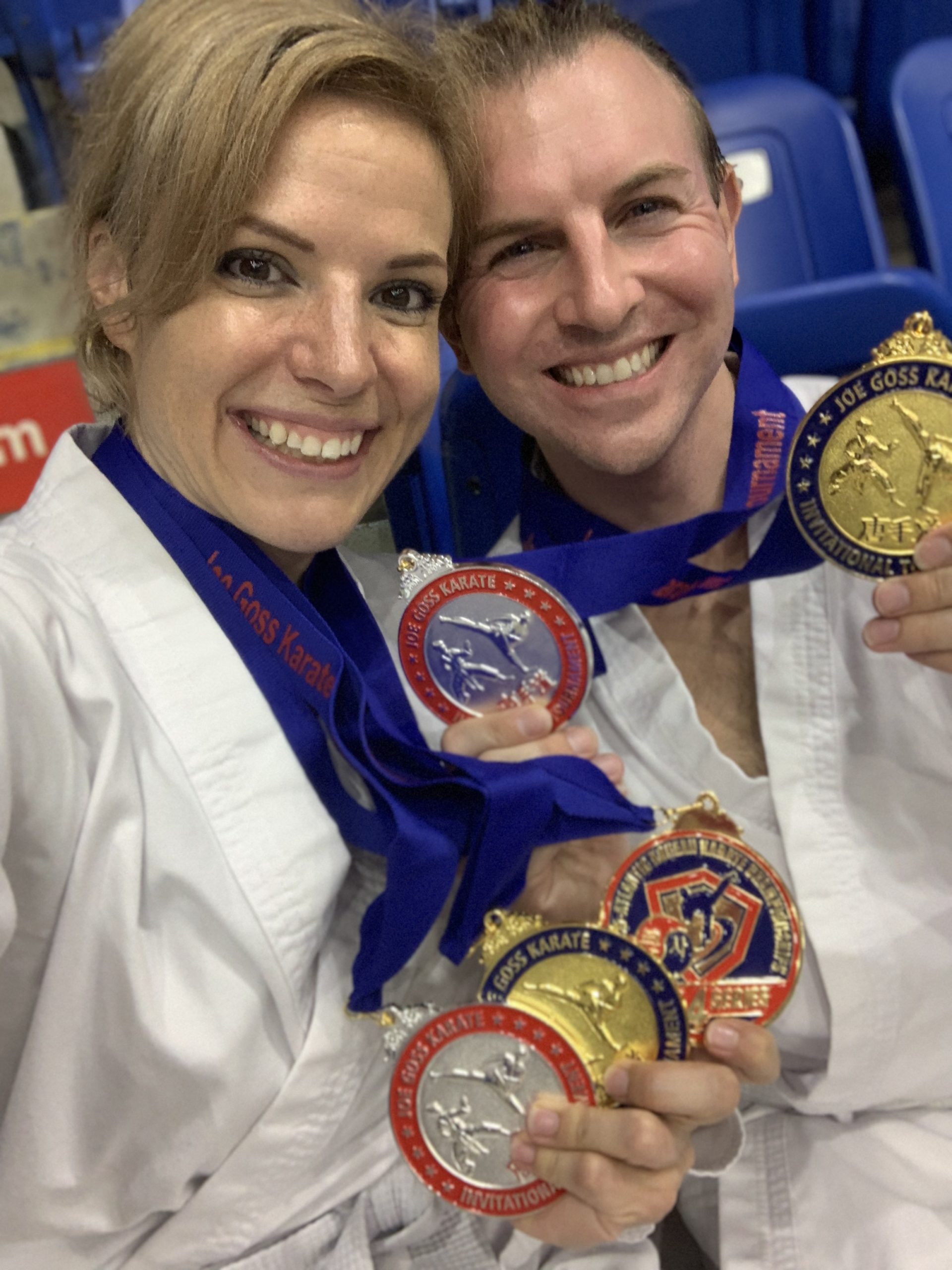
Competing at the Joe Goss Karate Invitational Tournament one month after starting my training.

All teachers run classes a bit differently, and I am sure this is even more evident when you compare different martial art styles. Our classes always start with a short breathing meditation and a warm-up. I like to get to class a little early for a longer warm-up and stretching session.

In class we line up according to rank, with the more senior students in the front and newer students in the back. Our classes vary from performing basic kicking and punching techniques across the floor, practicing forms (a traditionally choreographed sequence of movements), sparring, and learning specific techniques such as safe falls, self defense, and sometimes board breaking techniques.

Remember, as a new student it can be humbling to realize how much you don’t know. Everyone starts with zero knowledge. Be open to learning and receiving feedback on your progress.

I asked my husband (Jesse) what he would most like to share about class. He said that it’s a phenomenal way to combat spending so much time seated for work. It’s helped him to achieve focus on flexibility. He’s a runner and isn’t a fan of stretching, but getting his kicks higher and keeping his body healthy through martial arts has inspired him to be more consistent with his stretching routine. It’s also helped him with meditation. He struggles with seated meditation, but is able to achieve a meditative state while practicing martial arts movements. It also helps him to manage stress and any pent up aggression in a healthy format.

I am especially partial to the self defense techniques. I like knowing that I am learning foundational skills to protect myself if I ever find myself in a scary position. As a female and a runner I am always aware of my surroundings and my safety. Almost every female runner (and some male runners) I know have experienced harassment while out on a run. While nothing can make me immune to harassment (until the people doing the harassing stop) I feel better having some knowledge and techniques to fall back on.

Tournaments
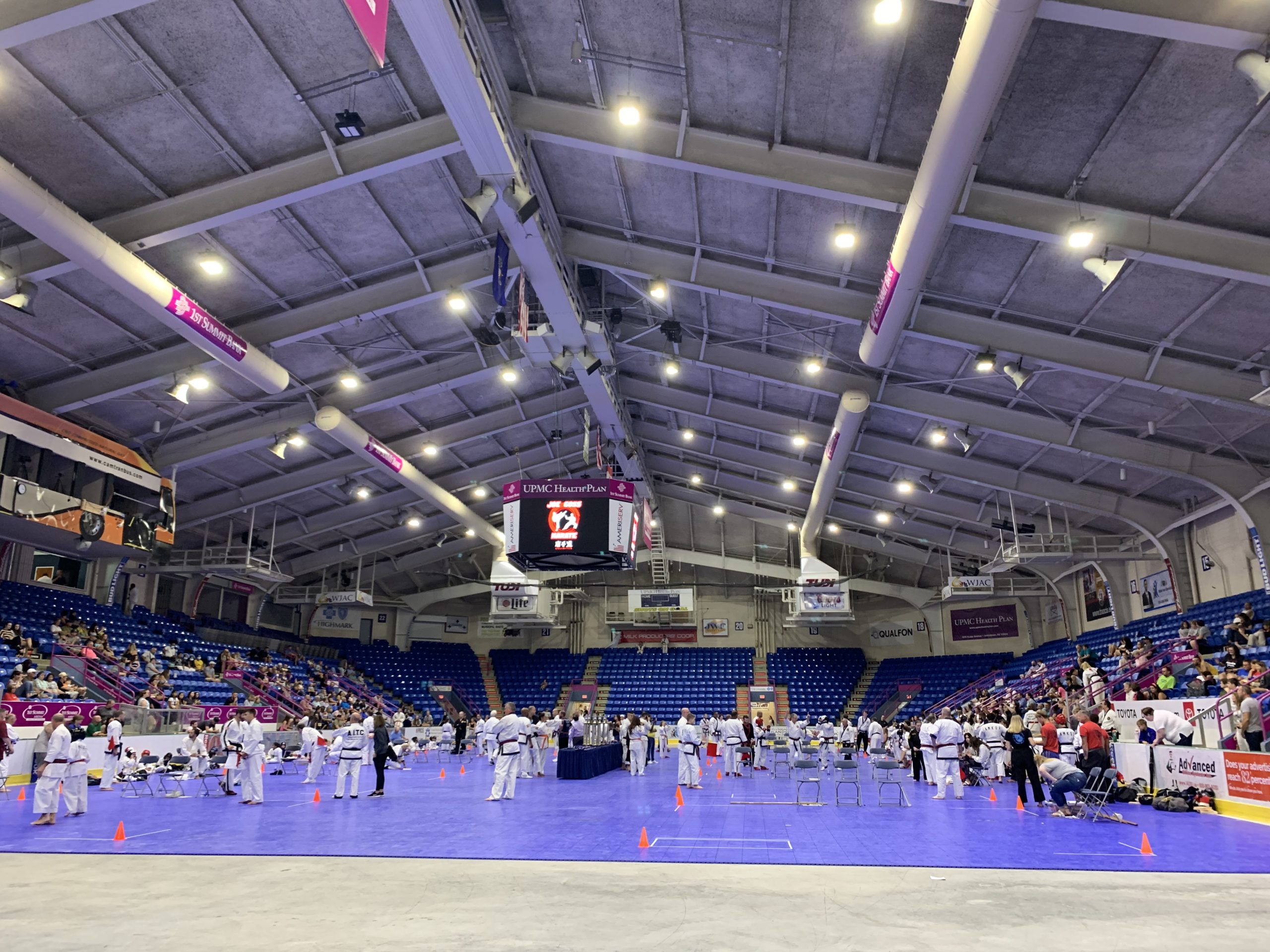
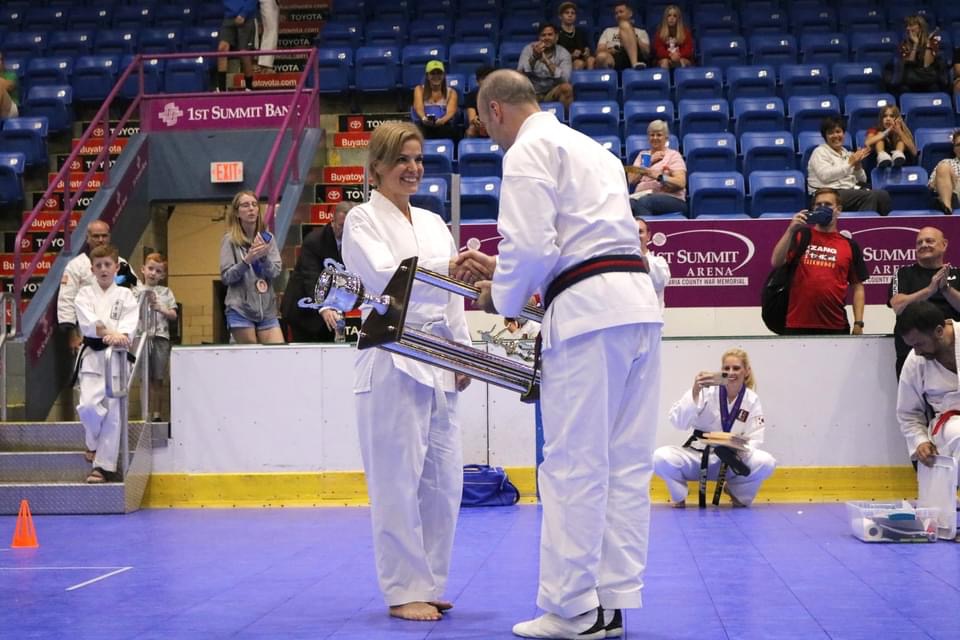
Tournaments are optional, and aren’t a mandatory part of our training. When we first started training and Master McClements mentioned competing in a tournament I didn’t know if it was something I was interested in. However, a month after we started training Jesse and I competed in our first tournament. The tournament was separated into divisions based on age, gender and belt rank. The grand championship was a competition of the winners from each category and was not divided by age or gender.

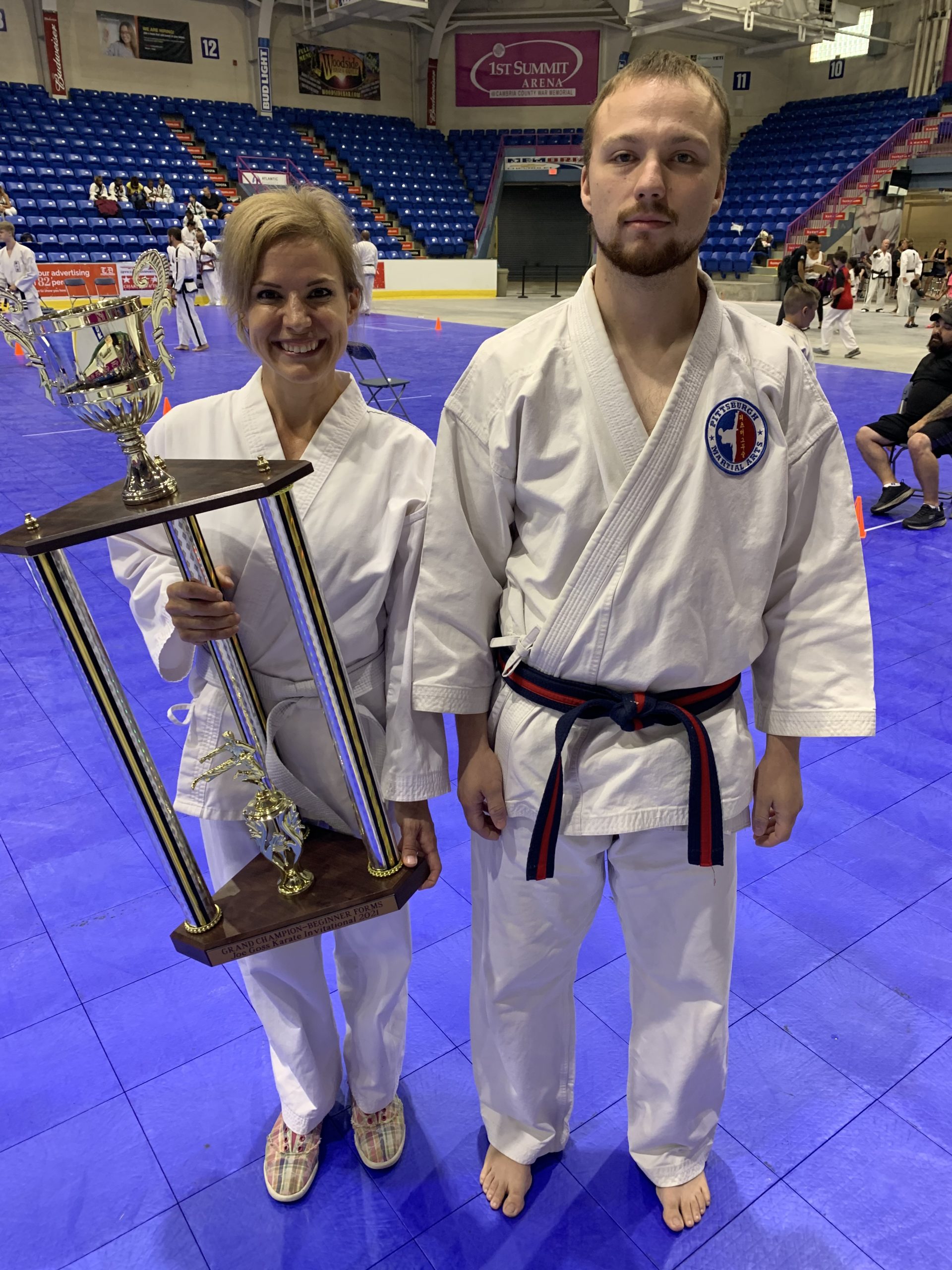
Jesse competed in board breaking and forms, and won Gold for Breaking and Silver for Forms. I competed in board breaking, forms and sparring. I won gold in forms and board breaking, and silver in sparring. I also qualified for the Grand Championship competition and was the overall winner.

It was a very fun experience, and I learned a lot by seeing people with different backgrounds competing.
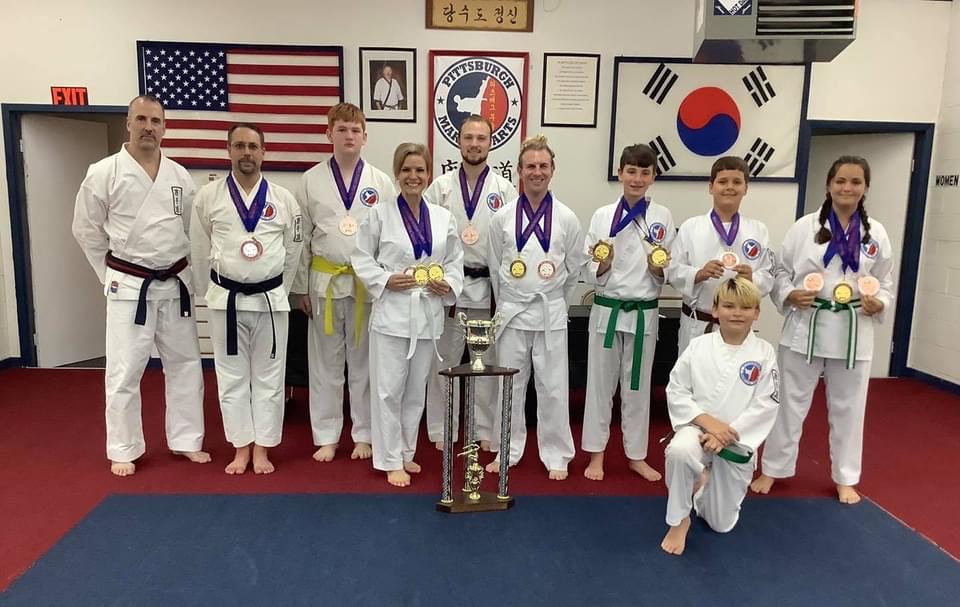
Our dojo did very well overall in this tournament.

Continuing Training

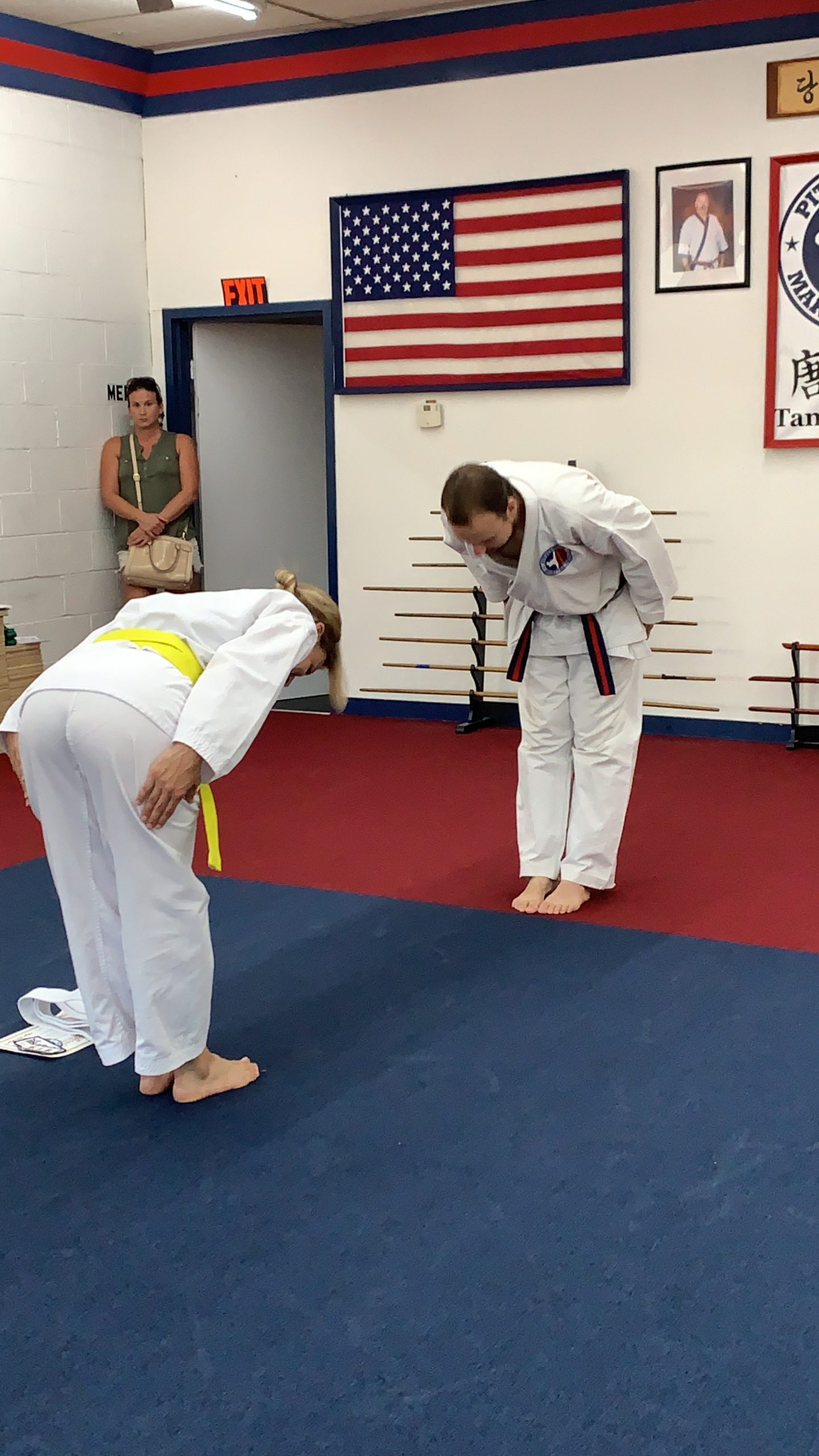
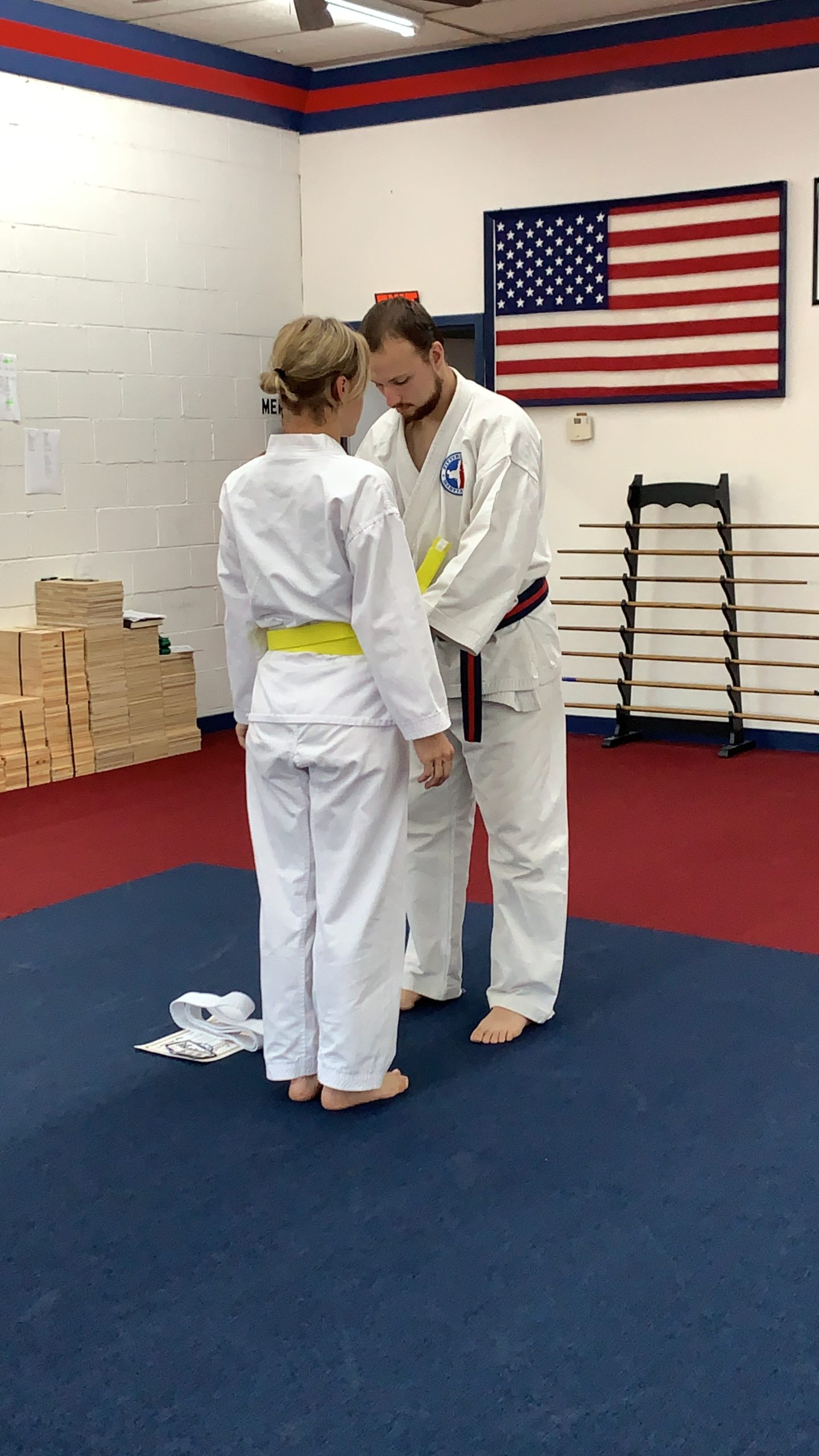
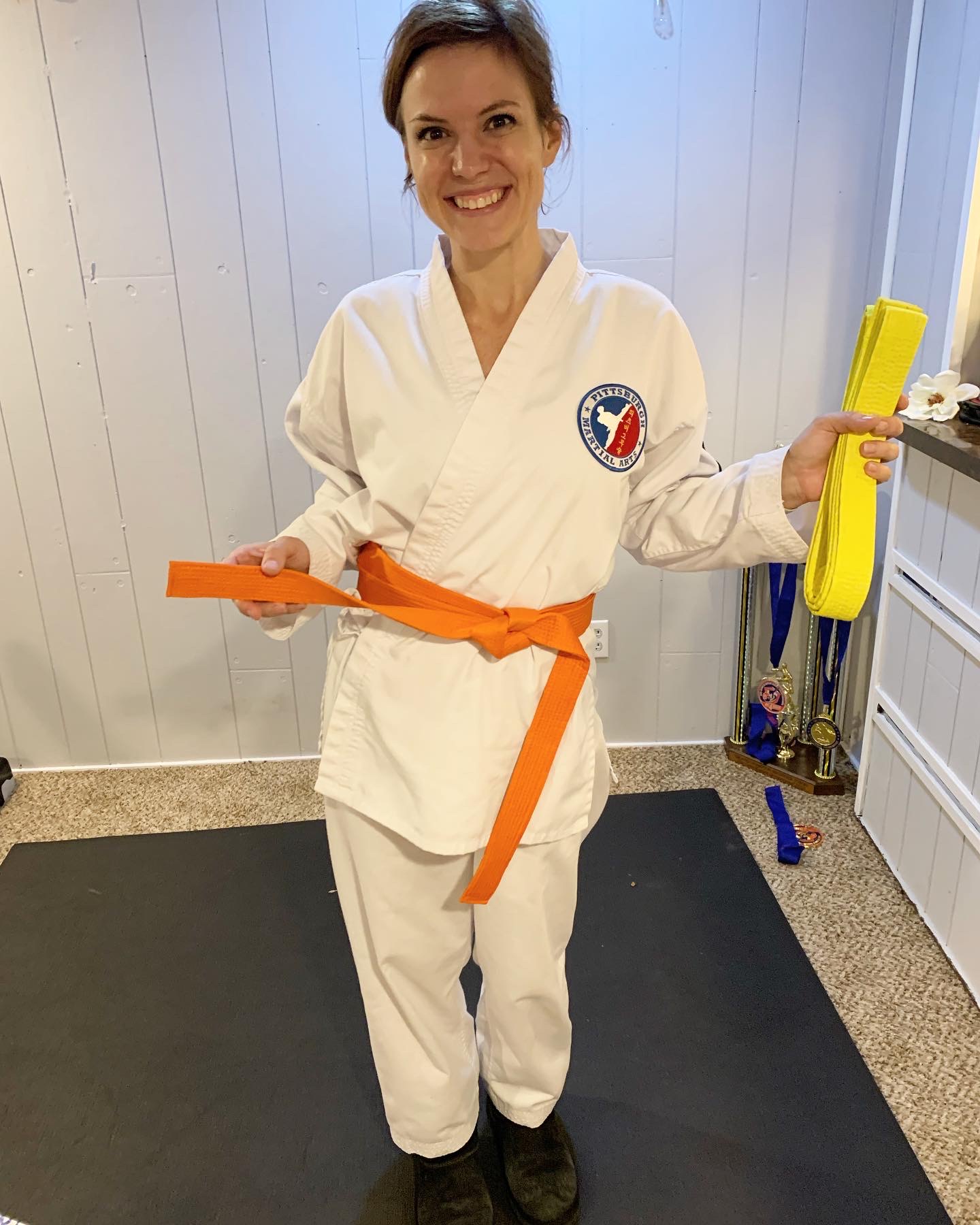
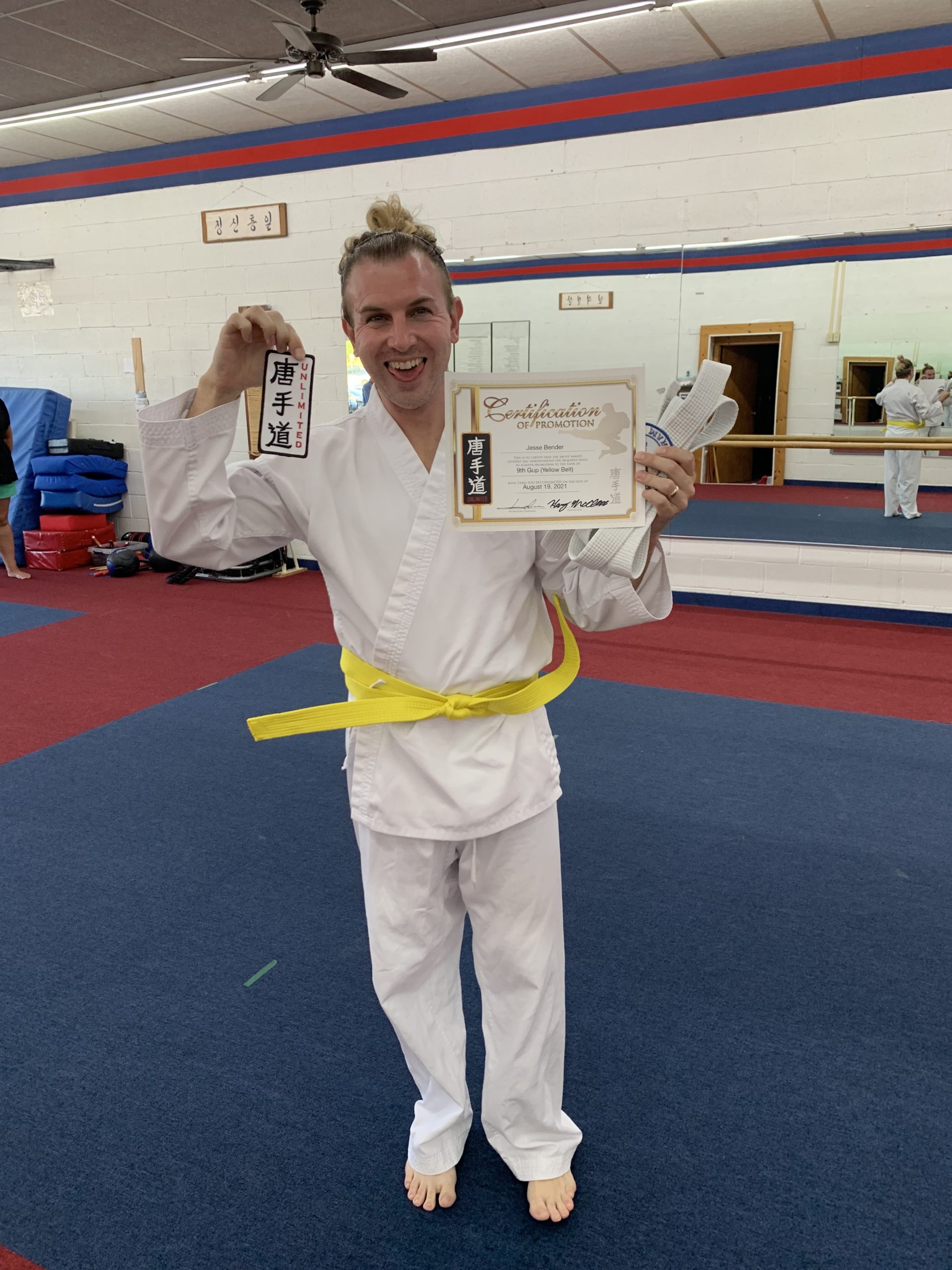
Jesse and I are still beginners in our learning. At 7-months of practice we have both progressed from White Belt to Yellow and are currently Orange Belts. Soon we will be testing to be promoted to the next belt level (Orange with a white stripe). That means performing specific forms, sparring techniques and completing specific board breaking techniques.

I look forward to progressing the skills that we are learning. It’s a lot of fun, and a unique and new challenge. I also love that it’s something we can do and practice as a family. My husband and I have fun Martial Arts date nights complete with sparring techniques. We also practice at home with our son, and our daughter is already starting to imitate some of the movements.

If you have any specific questions about what it has been like to start martial arts as an adult, please let me know in the comments below.

Melissa

You can find me on Social Media: @BenderFitness and on Facebook: @MelissaBenderFitness 

If you want to help support BenderFitness so we can keep bringing you new workouts, your donation is greatly appreciated: https://www.patreon.com/BenderFitness

Shop BenderFitness Gear: https://my-store-c67ce6.creator-spring.com
How to Set Goals You Will Actually Achieve

Standard

As the New Year approaches, many people are reviewing the past year and setting new goals and intentions for the year to come.

Although, you can set new goals at any time, New Year’s Eve remains one of the most popular times for creating resolutions for the things you would like to manifest in the upcoming year. Of course, New Year’s Resolutions are infamous for going strong for the month of January, and fading as February comes into view. This is particularly true for resolutions related to health and physical fitness.

So let’s buck the trend, and set goals that you can actually achieve!

First, let’s talk about your actual goals. I want you to take a moment and make a list of your goals. They don’t have to be fitness related, this technique will help you get on track with any type of goals. For the purpose of this article, I will focus on examples related to fitness.

Three Steps to Creating Your List of Goals:

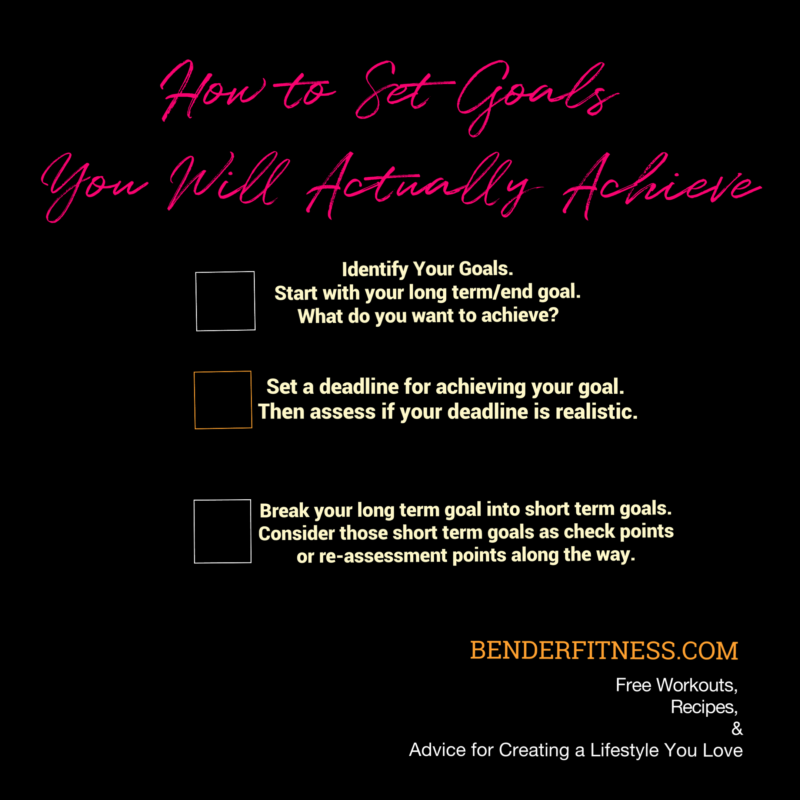
  1. Identify Your Goals. Start with your long term/end goal. What do you want to achieve?
  2. Set a deadline for achieving your goal. Then assess if your deadline is realistic.
  3. Break your long term goal into short term goals. Consider those short term goals as check points or re-assessment points along the way.

Now that you have this list, I want you to ask yourself this question:

Are My Goals Measurable?

You might be wondering what that means. Here’s an example.

Goal 1: I want to get better at running.

This goal is not measurable. We need to get more focused and specific. I am going to show you how to make your long term goal more measurable, and how to create a short term goal that will serve as a checkpoint toward achieving your end goal.

Long Term Goal 1: I want to run a 5K in 30-Minutes.

This goal is measurable and specific. Now let’s break this down into short term goals:

Short Term Goal 1: Run 15-Minutes Continuously at 9:39 min/mile Pace with no rest breaks. 

Short Term Goal 2: Run 2 Miles continuously at 9:30 min/mile Pace. 

Short Term Goal 3: Run 3 Miles Continuously. 

Every Long Term Goal should have at least one matching short term goal, but you can break that down into multiple short term goal check points along the way. The benefit of this, is that it gives you a specific step to work towards, and it helps prevent the feeling that you aren’t progressing toward your long term goal. Many people give up on their goals out of frustration, because they are so focused on the end result that they don’t see the progress along the way.

Checking short term goals off of your list helps you to recognize your achievements. It can also help you adjust your plan. Perhaps your goals were too aggressive, and you need to modify or extend your deadline, or maybe you underestimated how quickly you would progress. Either way, checking off short term goals will help you adjust your plan and help you successfully stick to your goals.

Make a Plan:

Now that you have set your goals you need to ask yourself three questions:

  1. How am I going to track my progress?
  2. How often will I re-assess my progress toward my goals?
  3. How often do I need to practice to achieve my goals?

Now I am going to use some examples of short and long term goals, and give them a deadline. This makes it much easier to track progress.

Short Term Goals: 

  • I will run 15-minutes continuously X2 with a 5-minute walking break between runs by February 14th.
  • I will run 25-minutes or 2-miles continuously without taking a walking break by March 14th.
  • I will run 35-minutes or 3-miles continuously without taking a walking break by April 14th.

Long Term Goal: 

  • I will run 5K continuously with no walking breaks by May 1st.

Apply this technique to your goals. Be sure to ask yourself: *Do the Short Term Goals Effectively Progress Your Toward Your Long Term Goal?*

Setting deadlines for short term goals sets a timeline for re-assessing and checking in with your goals, while letting you track your progress. It also helps you answer the third questions, “how often do I need to practice to achieve my goals?”

As you check in with those short term goals you will know if what you are doing is working. This allows you to re-assess your plan and make adjustments as needed, instead of getting stuck in a rut, doing something that isn’t progressing you toward your end game. You might need to practice your plan of action a little more or less frequently to make your goals a reality, or you may be right on track. You also might have to change your deadlines along the way.

Final Tips:

Remember to be Flexible with your plan. Your goals can be upgraded, or deadlines can be changed as needed. You might also work toward your goals, and identify an area of interest that is even more important to you. That’s totally fine!

This is your life, you are creating the plan and putting it into action. You also might be sidelined by an illness or injury, or maybe the goals you set were very aggressive and you need a little bit more time to achieve them.

There is nothing wrong with that! As you “check off” your short term goals you should be re-assessing what that means in relation to your long term goal. You might need to move your deadline back a little bit. As long as you are still working toward that long term goal, and checking off short term goals you are on track for success.

Treat yourself with grace. Check in with yourself often, and stay accountable. You have the power to make your goals a reality. You have created your plan. Go put it into action.

Is Your Fitness Program Improving Your Health? Four Components to a Healthy Fitness Program

Standard

It’s no secret that people enjoy the things that they are good at. It’s rewarding to do something successfully. It motivates us to continue.

While this motivation can be a wonderful thing, sometimes this tendency translates into habits that sabotage our overall health and fitness. We focus on the thing we are good (or want to improve) at, while neglecting other (equally important!) areas of our fitness.

For example, I often see runners (ahem, my husband) who are amazing at their sport. Their cardiovascular health, endurance and speed is phenomenal, but they risk injury by neglecting their flexibility.

When Ego Joins the Party: It’s not just the habit of doing things we are good at. Sometimes the ego gets involved. Ego driven exercise isn’t focused on the healthiest outcomes. I am not immune to Ego driven exercise practices (awareness is the first step toward change.) I am much more flexible on the left side of my body. When I practice splits I love practicing on that side. My right side is not even close to as flexible, and I hate practicing on this side. Practice feels futile, because I never seem to get any closer to achieving my goal.

That leaves me with a choice: continue to focus practicing on my left side because I am so close, or focus on my right side, which really needs the work. The truth is that one pursuit is focused on ego. The other pursuit is focused on creating balance in my body.

So what do I do? I continue to practice both, but I still enjoy practicing on my better side. I should be giving my difficult areas extra attention, but I’m a little bit too focused on the end goal. My pursuit of health and fitness, still has some ego in it. I’m working on it.

So here’s a secret about fitness, and life in general, it’s not always about the end goal. If your fitness is limited by deadlines and achievements, it’s going to be very difficult to continue to pursue a healthy life. What happens when you check all of those boxes, or if you aren’t progressing fast enough to check any of the boxes? Health and Fitness are a continuum of care. It’s great to train toward a specific goal, but the greater goal is training toward a healthier more balanced life.

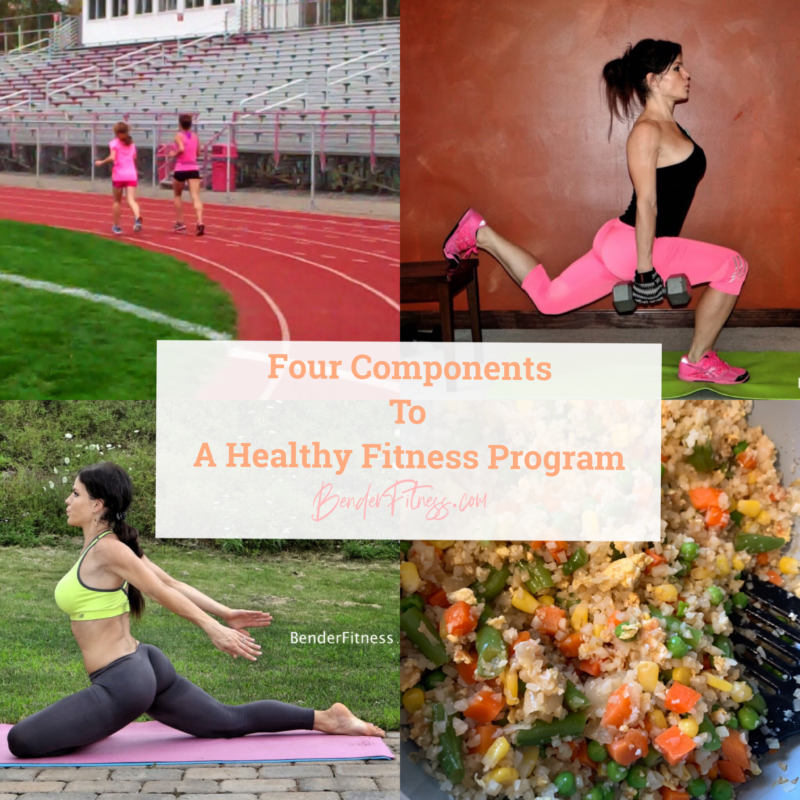
There are four primary components to a healthy physical body:

  1. Cardiovascular Endurance
  2. Strength
  3. Flexibility
  4. Nutrition

A program that is focused on your overall health and wellness will include all four of these areas.

Cardiovascular Activities train your body to more efficiently take in oxygen, and deliver it to your body. Having a strong cardio base is a sign that your lungs, heart and your entire pulmonary system are working well. Your body needs oxygen for everything that it does. Regular cardiovascular training helps maximize the function of your Respiratory System.

Cardiovascular training doesn’t just mean running. Cardio can include HIIT, Cycling, Running, Walking, Rowing, Swimming, Spinning and more.

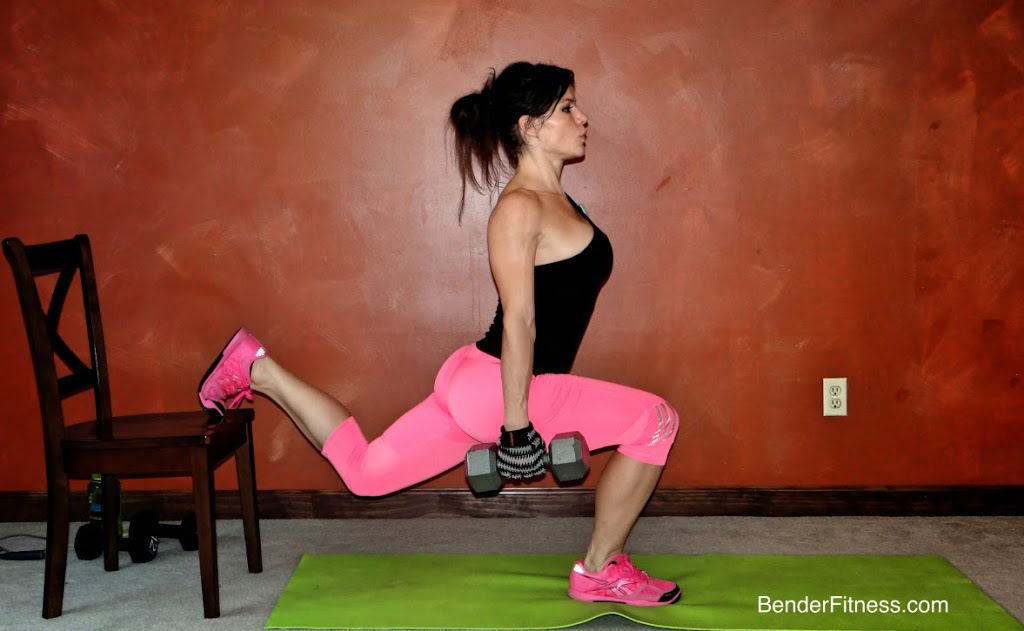
Doing weighted exercises one side at a time can help prevent (and correct) muscular imbalances. Separating the movements keeps the stronger/more dominant side of the body from taking on more of the work load.

Strength training is great for your muscles, but it also helps protect your bones. When you lift weights or complete resistance training, the pressure on your bones stimulates them to maintain higher bone density. Muscle Mass is also great for your metabolism. Muscle is what gives your body shape and allows you to move . You want to develop both muscular strength and muscular endurance to maximize the health benefits of strength training.

Don’t be afraid to add resistance training into your routine. Aim to use a weight that is heavy enough to make the last two reps of each exercise difficult to complete. You should be able to complete the whole set with good form.

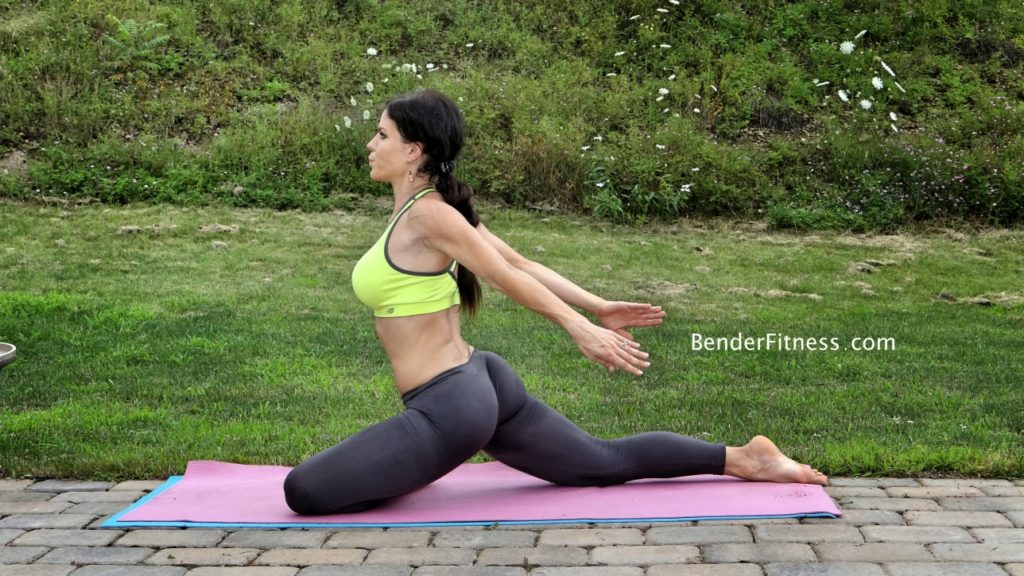
Pigeon Pose: This is a great pose for flexibility in the hips and legs.

Flexibility training protects your range of motion. Every area of our body has a different capacity for range of motion. Bottom line, flexibility is mobility. If you are not flexible that means that you are immobile in some area of your body. It’s sounds scarier when you say it that way, but it’s very important. Appropriate flexibility protects your range of motion, and your biomechanics. If one area of your body is immobile, that means other areas have to pick up the slack and perform functions they aren’t meant to. It’s a recipe for injury.

If you aren’t already incorporating stretching and flexibility training into your routine, start adding it to your program. Yoga, Pilates, or general stretching are some great options.

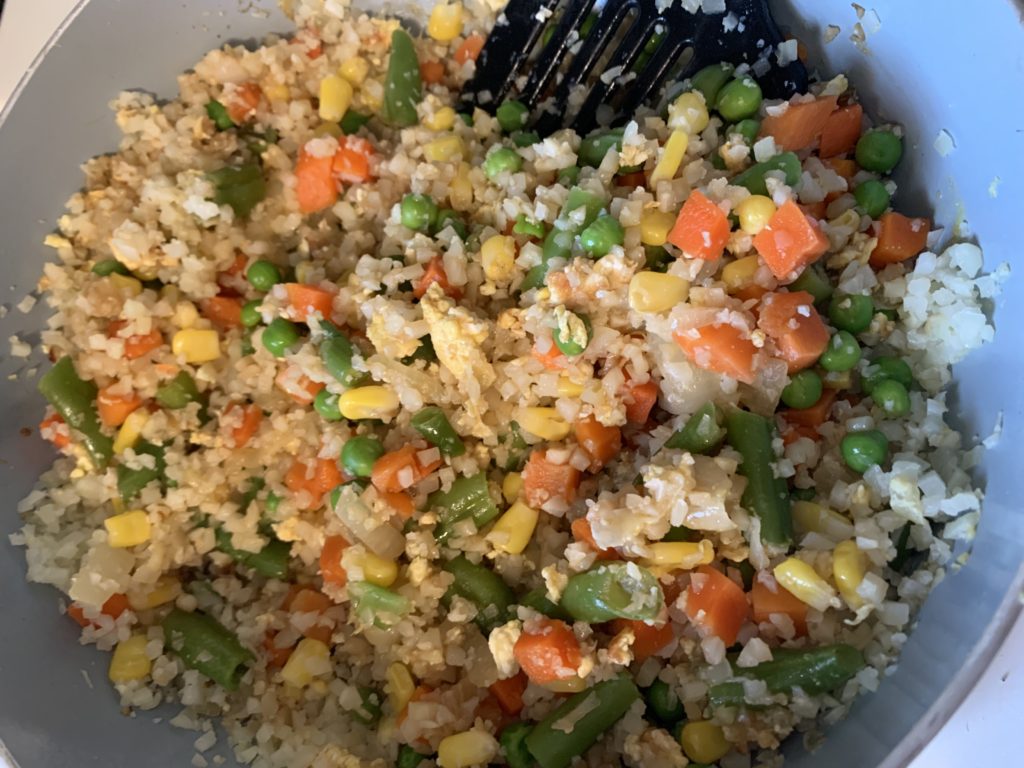
Cauliflower Fried “Rice”: Lots of colorful vegetables. Add some lean protein to make this a main dish, or serve it as a side with your meal.

Nutrition nurtures your body with all the vitamins, minerals, and macro nutrients it needs. Calories are energy. When you properly fuel your body it feels better, and your energy is better. Pay attention to the way food makes you feel, and how your body responds. Focus on eating a lots of colorful fruits and vegetables, lean proteins, and whole grains. The more of your foods that you are consuming in their whole state (minimally processed) the better your body will feel.

Review your fitness program. Are you incorporating each of these areas into your training? If not, it’s time to modify your program. It’s fantastic to train for specific goals, but make sure those goals are adding to your overall health and life satisfaction.

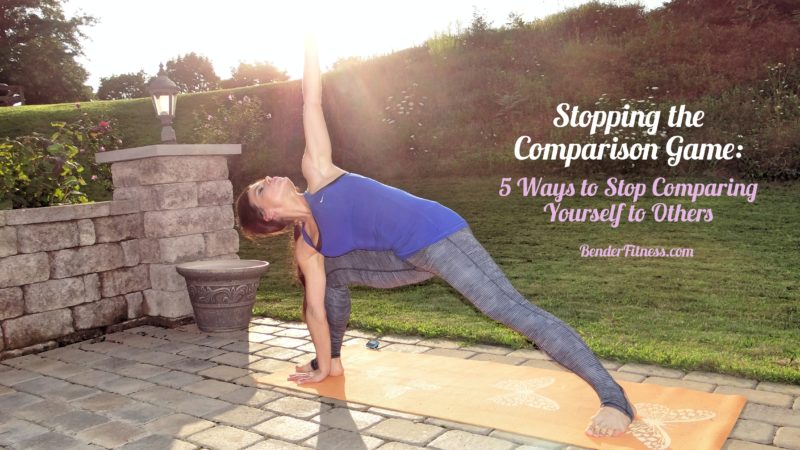
Stopping the Comparison Game: 5 Ways to Stop Comparing Yourself to Others

Standard


Have you ever had a moment when you thought to yourself, “How did I let myself get this out of shape?” or “I wish I looked like that” or “I wish I could do that.”

It happened to me last night. I did my first run in ages. It was hard. My running has been sporadic at best since my last Half Marathon 7 months ago. I teach a yoga course, and afterward I decided to take advantage of the gym at the University, and hop on the treadmill. Our single digit temperatures and mass amounts of snow have given me plenty of excuses not to go running, but I am at the school teaching 3X per week so I decided to make use of that time and finish my workout with a run.

I put the treadmill on my normal speed, and I felt pretty tired by the time I hit the one mile mark. I looked at the counter on the treadmill, and realized that I was running what used to be my average pace per mile for a half marathon. So it should be a pace I can easily maintain for a quick 5K run. I felt like I was starting over from scratch.

Enter reality check and subsequent negative thinking. I caught my brain starting to play the comparison game. This used to be easy for you. I can’t believe you’re feeling this pace after just one mile. You used to be so much faster, fitter and healthier. How could you let this happen? Being on a treadmill can be quite tedious on it’s own. I did not need a negative chorus chiming in from my own brain.

I made a conscious effort to change the story I was telling myself. Instead of “look how much you suck now” I started thinking, “You are making a great choice to improve your health and fitness. If you keep this up you are going to see great improvements in your speed and endurance.”

When I teach my Yoga class, each semester I share this quote with my students:

Comparison is the Thief of Joy -Theodore Roosevelt.

In my class I use it as a reminder that it doesn’t matter how flexible your neighbor is. It doesn’t matter if you struggle in a pose, or you don’t look like the most recent #Fitspiration you saw on Instagram or Pinterest. What matters is that you are showing up consistently to your practice and you are expanding past what you currently see as your limitations. Practice and consistency are the true “secrets” to progress. If you keep showing up change will happen.

So how can you stop comparing yourself to others (or even to past versions of yourself)? It’s not always a simple matter, because for many people we have been affirming the process of comparison for so long that we don’t even realize we are doing it, but just like in our fitness with practice and consistency we can start to change our thought process.

  1. Change the Story: If you find yourself caught in the cycle of negative self talk, make a conscious effort to re-phrase the story you are telling yourself. For example, if you are tearing yourself down for unhealthy food choices, remind yourself that food isn’t inherently good or evil. Making a less nutritious food choice doesn’t diminish your value or end your journey toward making healthier choices.
  2. When you start comparing yourself to someone else (or a past version of yourself) take a moment to recognize something you appreciate about yourself. Make a conscious effort to stop the negative thought, and change it to a positive thought. We strengthen the neural pathways in our brain that we use more frequently. So make the positive neural pathways stronger, so they are easier to access and follow.
  3. Recognize and Celebrate Victories Along the Way. When it comes to fitness there are so many non-scale victories (NSV) that you can celebrate! Did you make it though an entire interval of an exercise that you used to struggle though? Yay You!!! Were you able to run one minute longer before taking a walking break? That’s Awesome! Recognizing these victories will help build your confidence, and reinforce the fact that your body is meant for something other than fitting into a certain size clothing, or hitting a certain number on the scale.
  4. Anchor Yourself In the Present Moment: Sometimes our thoughts run away from us. Before we know it we have a mental train with no brakes hurtling full speed ahead. To help exit the thought process you can anchor yourself into the present moment. To do this I focus on my breathing. I read a book by Thich Nhat Hanh that described a technique I found very useful: to help focus on the present moment take in a breath and focus on the experience, saying “Breathing in, I am breathing in. Breathing out, I am breathing out.” It helps you to orient yourself to the present, instead of ruminating on the past, or feeling anxiety over the future.
  5. Take Time Each Day to Be Self Positive: Make being kind to yourself a habit. We are often quick to focus on the negative at the expense of the positive. Practice self kindness. Look in the mirror, or ask a friend to tell you something good about yourself. It can be physical, mental, emotional, social, spiritual, or all of the above.

Do you have any other techniques you use to stop comparing yourself to others? Please feel free to share them in the comments below. 

***Note: This is not a substitute for help from a mental health professional. If you feel that you are caught in negative thought processes that are impacting your ability to function please seek the help of someone who can give you the individualized care that you deserve. You can certainly use the techniques described above in conjunction with help from a certified professional who understands your unique needs.***


When to Go to the Hospital for the Flu

Standard


The Flu. It’s dreaded, avoided, and much talked about during the cold months. Right now it has reached epidemic proportions and is widespread in every state in the USA. This year’s strain is particularly intense, and has a higher than average mortality rate.

I have a confession. I should have been hospitalized during my recent bout with the flu. My fever was very high. It reached 103.7 and I couldn’t walk, and felt incoherent. My husband wanted to take me to the hospital, but I refused to go. Although I ended up being okay, this was a stupid decision on my part. It could have even been a deadly decision if my fever hadn’t come down.

I told my husband the plan for who to contact if I got worse, or if I passed out. I knew that going to the ER might be my only option, but I didn’t want to go.

I had a lot of reasons. I didn’t want to expose my toddler to even more sick people in the ER. My son was already sick, and if he got worse I wanted to be there to make sure he went to the hospital if needed. We had houseguests (who were also sick) and I felt like I needed to be the one to take care of everyone. It was scary, and I said a prayer asking God not to let me die that night. I want to see my son grow, and I didn’t want to leave my husband alone.

Even though I ended up being okay, and I am on the road back to recovery, I made a stupid decision. I should have gone to the hospital.

What are the signs that you should go to the hospital for the flu:

1. For adults if your fever is 103 degrees Fahrenheit or greater. For children under 3 months if fever is 100.4 F or higher. For children over 3 months if fever is 104 F or higher. Contact doctor if fever will not go down, persists, or does not respond to medicine.

2. If you can’t catch your breath or breathing is painful.

3. If you can’t think clearly and your speech is slurred.

4. If you are too weak to stand.

5. If you have chest pain or severe abdominal pain.

6. If you become dehydrated.

7. If you have severe headache/neck stiffness.

8. If you feel so sick that you feel like something is wrong, and you need help. Listen to your instincts.

Treating the flu:

If you have the flu the best thing you can do is stay hydrated and get plenty of rest.

Call your doctor for an anti-viral medicine to shorten the length of the flu. Anti-virals are effective if started within the first 48 hours of symptoms.

Stay home. The flu is highly contagious, and it can be deadly. Try not to spread the germs. You should be fever free for at least 24 hours before venturing out, but you may still be contagious if you are still coughing. The flu is generally contagious for about one week from the onset of symptoms.

Jesse and Maverick. Fighting the flu.

About the Flu Shot: 

My husband and my son got the flu shot this year. I did not. They both had very mild flu symptoms, more along the lines of a bad cold with a mild fever. This was one of the worst cases of the flu and worst fevers I have ever had in my life.

The flu shot can help prevent the flu, but even if you are exposed to a mutated strain that the shot doesn’t protect against, it can reduce your symptoms.

I work as an Occupational Therapist with the geriatric population. I normally get the flu shot every year, because they are an at risk population. The very old, very young and those with compromised immunity are much more likely to die from the flu.

Misconceptions and Flu Facts:

1. The flu is NOT a stomach bug. What most people call the “stomach flu” is actually norovirus or gastroenteritis. Typically influenza doesn’t include vomiting. Children are more likely to vomit when they have the flu than adults. Some patients will experience diarrhea and vomiting, but this is a less common symptom.

2. The flu is a respiratory illness. Symptoms include coughing, sneezing, sore throat, congestion, headache, fever and body aches.

3.The flu is airborn, and spread through droplets. That means it can be spread through coughing or sneezing, skin to skin contact, saliva, or touching a contaminated surface and then touching your eyes, nose or mouth.

4. The flu is a big deal. Many people shrug it off as “just the flu” but it is one of the most deadly illnesses every year. On average about 36,000 flu deaths occur in the US each year, and that number increases to between 250,000-500,000 worldwide. The worst known flu year was the epidemic of 1918, which killed between 50 million and 100 million people. It is important not only to care for yourself, but also to avoid spreading the flu. The very old and very young are much more likely to die from the flu.

The Lost Art of Being Me (More than a Mother)

Standard


Finish this sentence: I am a….

When you ask someone to tell you about themselves you are likely to get a list. Job title, family role, religion, maybe even a member of a club or community.

I have defined myself as an Occupational Therapist, Blogger, Runner, Fitness Instructor, Teacher, Wife, and most recently, Mother.

So what happens when you suddenly lose some of those titles you claim as self? What happens when the roles that make up the essence of Me, change? Some of them are gone, some of them have been replaced, others are on hold…Existential crisis here I come. Has this new role, Mother, changed the foundation of who I am?

Motherhood is one of the most amazing things I could ever fathom experiencing. My child is a constant source of joy and amazement to me. My love of being a mother grabbed me by the heart and left a permanent etching on my soul. It is a role that I will never shed. It’s a part of me now.

So what happens to those other parts that don’t fit my life as beautifully as they once did? Do I shed them like a crab that’s outgrown it’s shell, discarding them to the depths of the ocean never to be heard of again? Do I recreate myself into a whole new person? Or do I mix the old and new even when the jigsaw edges don’t line up quite right?

Here’s the funny thing: Part of my job (pre-baby) was helping sick or injured people to be able to return to their previous roles. I showed people how to overcome the limits that they thought they had. Occupational Therapist heal thyself.

Something I tell my patients is that every step of the journey counts. I can’t guarantee that they will be able to do things in exactly the same way they did them before, but I can help them to do the things that are important to them in a new way. It’s time to apply that lesson to my own life

Lately, I find myself pondering the art of becoming. The art of becoming is a process that happens all the time. Like the caterpillar transitioning into a butterfly. Perhaps I have mistaken the end of the story as the important part. Does the caterpillar know that it is going to sprout wings, or does it just know that spending some time in the cocoon is a part of the journey? Maybe, as a human, I can be both caterpillar and butterfly over and over again. Maybe, being the butterfly isn’t the point of the story.

One thing I know for certain, staying in the cocoon isn’t the answer. There will be changes, and I will have wings.

Thank you to everyone who said they wanted to read my essay when I mentioned it in a recent Instagram post. Below I have included four steps that I am implementing into my life. I firmly believe that we should always find ways to make time for the things that are important to us. I hope that this helped you in some way. Feel free to leave a comment with your own experiences, or any techniques that have helped you find balance in your life. 

Take Action: 4 Steps to Reclaiming Some of Your Lost Roles (Or just doing something that makes you happy!)

  • 1. Make a List: Identify the most important things that you need to do for yourself. This can be as big as career goals, or as little as getting a daily shower uninterrupted.
  • 2. Make a Plan: What needs to happen to make the goals on your list possible? Focus on one item at a time. You can prioritize it by what’s most important, or what is most doable for your situation. Identify what actions need to occur to make your goal happen.
  • 3. Implement Your Plan: Now it’s time to take action. Work on making your plan a reality. Do you need a babysitter? Start asking friends or family, or look for a referral from someone you trust.
  • 4. Celebrate Small Successes: In life things don’t always go as planned, even when you have well defined goals. Learn to be flexible and enjoy each success. Practicing kindness to yourself will help you be happier, and kinder to others. If your plan doesn’t work the first time don’t give up. Modify, adjust, and try again. Remember the OT Mantra: You may not be able to do things in exactly the way you did them before, but you can learn new ways to do what’s important to you.

SaveSave

Why I Have More Pride in My Slowest Half Marathon than my Fastest

Standard

Note: For this week’s workout schedule Click HERE

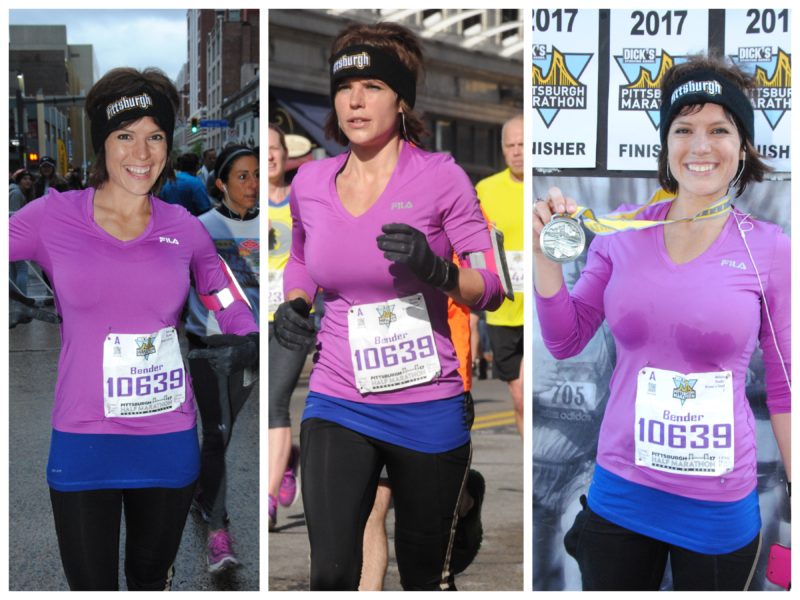
A few weeks ago I ran in the Pittsburgh Half Marathon. I ran it almost 15-minutes slower than my Half Marathon best. Despite a significantly slower time I have more pride in completing this race, than I have in any other run.

Why? I averaged a pace about 1 minute and 10 seconds slower/mile than I normally do in the Half Marathon. Why in the world would this race make me happier than the races where I performed better and ran faster? The answer: This was physically and mentally the hardest race I have ever run, and I finished it. literally fell down during the race, and got back up. I had scraped knees and elbows, and had the perfect excuse to quit, but I stood up and kept running. I fought myself mentally when I wanted to walk, and chose to keep running. Even when I knew there was no way I could do my best (as measured by past performance) I chose to keep going anyway.

Preparing for this race and running in it showed me the importance of determination and perseverance. I knew that training for this race was going to be challenging, because it was my first postpartum race. Training with an infant is not easy. Stroller runs add a whole new dimension to workouts. A few people have told me they think running with a stroller is an advantage. Let me assure you, it is not. It’s like running with weights. Especially uphill. Where I live everything is uphill.

Two months before race day: I got sick and couldn’t run for a week. Then my baby got sick, and I couldn’t run for another week. Then my husband got sick, which got the baby sick and me sick, and before I knew it I had done only two runs over the course of an entire month. I started to get nervous, but I still had a month until my race. I knew that setting a new PR (Personal Record) probably wasn’t going to happen at this point, but I knew I still had enough time to be prepared for the race.

One month before race day: During a run I noticed an ache on the outside of my knee. It started around mile 3, but I was only going for 4 miles so I finished my run. Once I stopped, I realized that it really hurt. I limped to my car without bending my knee. I took a few days off, but the same thing happened about 4-miles into my next run. It was IT Band syndrome.

The best cure for ITB syndrome is rest. So I took another full week off of running. I felt fantastic when I headed over to the track for a nice flat workout to test out my knee. I didn’t even make it one lap before the pain stopped me. I took off another week (we are currently at 6 weeks of little to no running for those of you keeping count). I also focused on stretching and got new running shoes.

The decision: My husband kept asking me what I was going to do about the race. I did not want to quit. I was running to raise money for Love146 to prevent human trafficking, and quitting because my knee hurt felt shameful in light of what those children faced every day. At this point I was literally terrified to run. I did not think I would be able to finish the race.

The week of the race: I tried a one mile run, and felt my knee bothering me. I stopped before it turned into pain, and decided to see a chiropractor. I saw her twice the week of the race. I still feared that I wasn’t going to make it through the race, but I decided to try anyway. Even if I had to stop, I was going to show up and do my best. If I got a DNF (Did Not Finish) at least I would know I went out and tried.

Race Day: My sister came down to the race with us to take care of the baby. Jesse ran in the Marathon relay with his friends.  I waited in the race corral by myself to start. I had friends running in the race, but I knew that if I had to stop or felt like I was slowing their pace down that would be mentally harder on me. I chose to run by myself (if you can say running with over 13,000 people is running alone).

I was hyper aware of my knee, but overall it felt okay during the race. I walked through all of the hydration stations so I could drink some gatorade. Usually I only have a few sips of water while running and most of it slops out of the cup and onto my face, but I am still nursing my son so I needed to stay hydrated. As soon as I finished my fluids I was back to running.

At mile 10 I started to struggle mentally. I really wanted to walk, but I was so close to the end that I refused to give up. I felt myself slowing down. I felt like there was a cartoon devil whispering in one ear telling me to stop, and an angel whispering in the other ear that I was able to keep going.

About a quarter mile from the finish line I tripped in a pothole. I face planted, and slid on my arms and knees for several feet. Someone who worked for the race ran over to me and asked if I needed a medic, but I said no, hopped back up and kept running. I had a bloody knee, and scrapes to both knees/elbows, but it wasn’t as bad as it could have been.
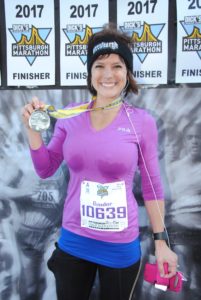
I crossed the finish line, and as soon as I stopped running all of the pain in my left knee hit me. I could barely bend it, and walking felt like torture. I wanted to find my sister, and my baby, and watch Jesse finish his race. A race coordinator saw that I could barely walk and escorted me to the medic tent. They saran wrapped a bag of ice to my knee.

Eventually I found my sister and my son, and we headed back to the car to wait for Jesse. His relay team finished 5th out of over 1000 entries. He ran the final leg, so he got to cross the finish line.

Limping post-race.

I often say that achieving your goals (be they fitness or otherwise) is not the result of motivation. It is the result of determination. It happens when you choose to keep going even when things get hard. Success isn’t only about what you achieve, it’s about persevering with your journey. I worked harder, struggled more, and pushed through. Even if the race had ended with a DNF, I knew I would be happier than settling for Did Not Try.

I finished!

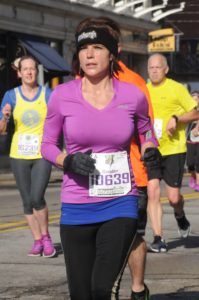
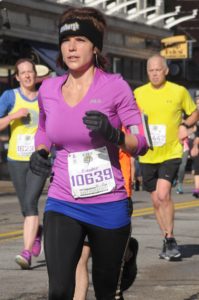
Bib: 10639
MELISSA BENDER
Half Marathon
Finished
02:00:24
My Results: Overall 3,637th of 13,072. Female: 1423 of 7820. Female 30-34: 237th of 1,259.
Interval Time of Day Chip Time Chip Pace Gun Time Gun Pace
Start 7:18:23AM
4.4 Mile 7:56:11AM 00:37:48 08:36 min/mi 00:39:09 08:54 min/mi
5.3 Mile 8:04:13AM 00:45:50 08:39 min/mi 00:47:11 08:55 min/mi
9.1 Mile 8:39:15AM 01:20:52 08:54 min/mi 01:22:14 09:03 min/mi
12 Mile 9:08:19AM 01:49:56 09:10 min/mi 01:51:17 09:17 min/mi
Finish 9:18:47AM 02:00:24 09:11 min/mi 02:01:45 09:18 min/mi

When the #FitLife Meets #MomLife: 11 Things You Need to Know

Standard


From the day I announced my pregnancy I was told by so many people (as they laughed) “Say goodbye to your workouts!”  and even “You’re about to get so fat!” (This one was said with an uncomfortable amount of glee.)

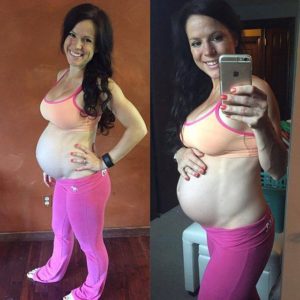
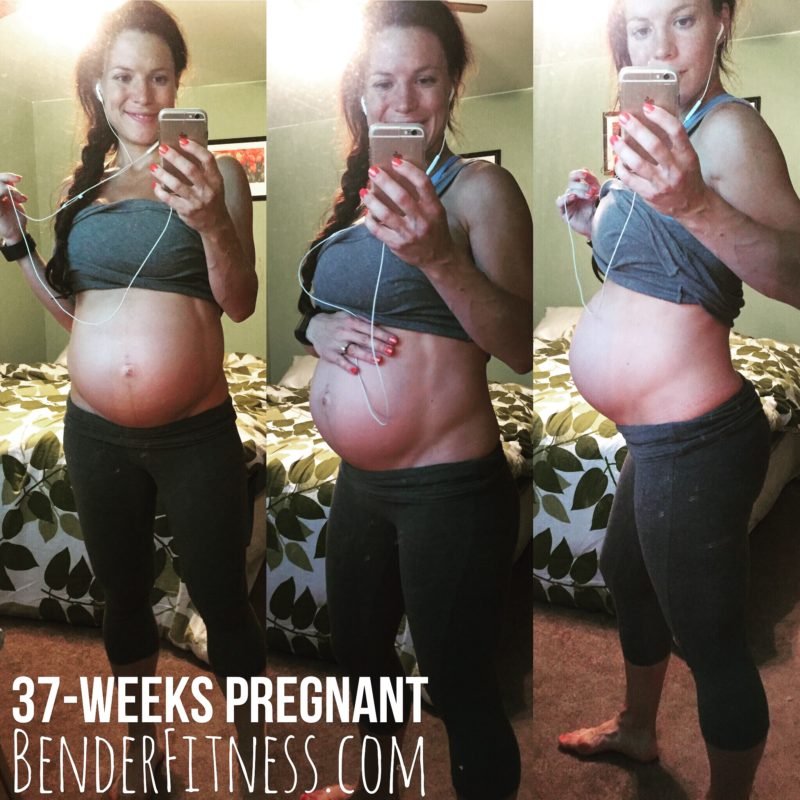
37-Weeks Pregnant

When I worked out through my pregnancy it turned to “Enjoy it while you can! There’s no way you will be able to do that when the baby comes.” I can’t count the number of times I was told that I had unrealistic expectations, and that there was no way to “fit a baby” into my lifestyle.

I remained optimistic, and forged ahead despite the naysayers. I reserved judgement on the impact of a child on my workouts until I had time to actually experience what it was like. The truth? It’s not always easy, but it is doable. Here are a few things that I have realized along the way:


  1. Sometimes you will have enough time to workout, but you won’t because you just want to look at  your baby. That’s okay. Your baby is going to grow faster than you can believe. Savor it. If you miss a workout to stare at your baby it’s still time well spent. Just don’t miss all of your workouts. Time for your health is important too.

I could stare at that face for hours. <3

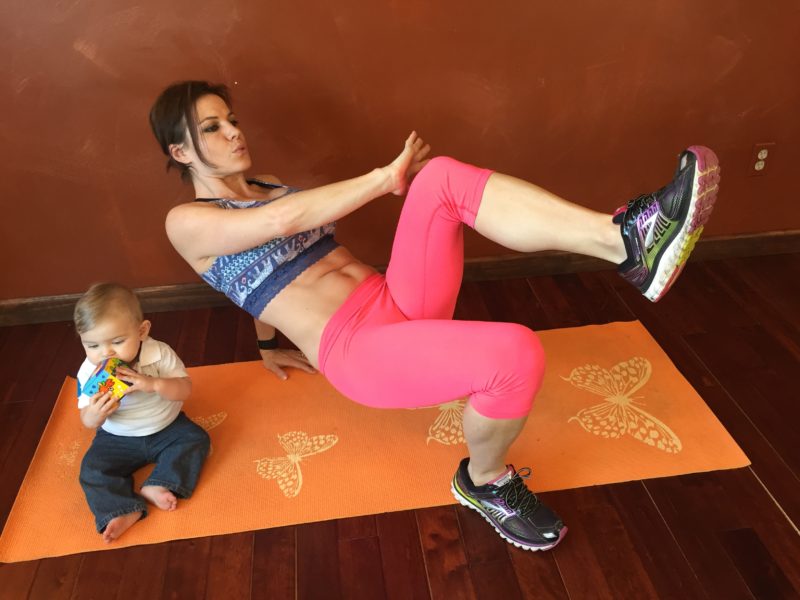
2. Short Workouts will save your fitness life. Seriously, one round of a 12-15 minute workout might be all I get in. Go hard during your quick workouts, or incorporate exercises into your playtime with the baby. You can keep a “nursery workout list” on a chalkboard or dry erase board, or even make a list on your phone. Aim to get in those exercises throughout the day as you play with your little one. Or incorporate your baby into your workout. They think it’s fun!

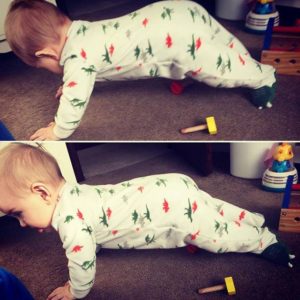
He loves to plank!

3. If someone offers to watch the baby while you go on a run or get in a workout, take them up on the offer. It will be amazing. Not that you mind running with the stroller. That has it’s own appeal, but it’s nice to just have some alone time where you can focus exclusively on the task at hand. Focusing on your exercises as you do them actually improves the physical benefits you are getting from the exercises.

4. Showering after your workout MUST be calculated into your available workout time. Miscalculate and you will be sweaty and gross for an indefinite time period.

5. When you are into fitness people will be a lot harsher/more vocal with their expectations of your weight loss. Don’t worry about it. Focus on yourself and your baby. Re-create a consistent workout habit and healthy diet, and it will happen. For both yourself and your baby it’s more important to create a healthy lifestyle and body image than it is to starve your way to an arbitrary number on the scale.

6. Your hair might fall out. It might be more mentally traumatic for you than the weight gain and body changes (it was for me!) I expected to gain weight, and knew it would take time to re-build my strength. I didn’t expect to lose handfuls of hair. That was harder on my self image than the weight gain. For you it might be the opposite. You will be okay though. We don’t have to be perfect (mentally, physically, or as parents). All we can do is our best. If someone makes the “mom haircut” comment just brush it off.

7. The first time you work out after having a baby it will be weird. You’ve been pumped for this day for six weeks (or however long your doctor restricted your exercise), but things that used to be easy will be hard. Even if you worked out your whole pregnancy. Enjoy the chance to re-build and track your changes. If you can only do 5 pushups to start, track how long it takes you to get to 20-consecutive pushups again. Small goals, and recognizing your progress will help you feel happy and confident with your changes, instead of falling into the cycle of comparisons to what you used to be able to do.

My first postpartum workout.

8. There will be times when you try like crazy to get your workout in, and it will not happen. The baby has other plans. That’s okay. Don’t beat yourself up if you miss a workout.

9. BE READY. If you want to get in your workout, dress for it. Don’t wait until the baby is napping to change. Once the baby is napping, or your significant other is taking care of the baby, jump into the workout. With babies your plans can change on a dime. Be ready to go when you have the opportunity.

10. Ask for help. This is a hard one for me. I’m a self-sufficient doer. It literally does not occur to me to ask for help most of the time. I don’t like making people feel obligated to do something that I feel I should be able to take care of myself. As a result, people don’t often offer to help. If you need something ask. You may be pleasantly surprised to find that many people are willing to help.

11. Focus on Intensity. Your workouts may be shorter, but that doesn’t mean they have to be less effective. Aim for shorter, full body workouts where you push with more intensity. Great results, less workout time.

12. Isn’t this supposed to be a list of 11? Consider this a bonus tip for the nursing mamas! If you are nursing make sure to stay hydrated and well nourished to help prevent your supply from decreasing. Drink fluids with electrolytes. Normally I only like water, but I have added in gatorade or other electrolyte drinks on hard workout days and I have had no decrease in milk supply.

Do you have anything to add to this list? Comment below!

How to Workout For Your Body Type

Standard


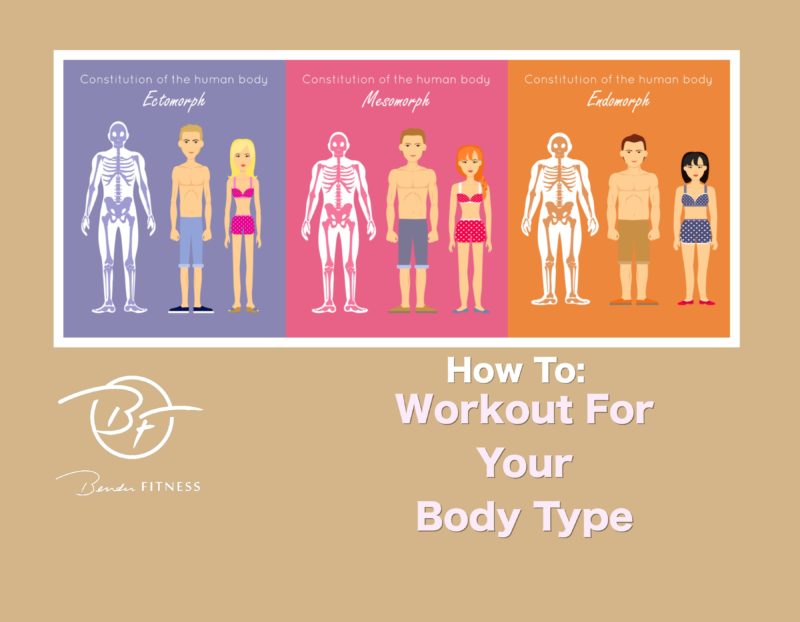
If you have found yourself wondering if you are doing the right workout for your body type you aren’t alone. You may be familiar with some of the terms below. As you read this please remember: No One Body Type Is Better Than Another. Every person is unique. Every body is unique. Additionally, not everyone fits perfectly into one “body type.” You can have characteristics from more than one category.

You can use these descriptions as a guideline for your workouts. Track how your body responds, and adjust accordingly. I’m going to say again, every person, and every body is unique.

Body fat percentage and body type does not necessarily correlate with level of fitness. I know people that have a higher body fat percentage who maintain a very high level of fitness. I know people with a lower body fat percentage that have a very low level of fitness. Exercise should always be a way to improve or maintain your health.

You may not fit comfortably into any one category, and that is perfectly fine! Your body type can change over time, and in response to the exercises you do. Read each description, because you may fall into more than one category.

Did you know that every time you exercise you are actually modifying the way your DNA is expressed? Epigenetics is the “study of the way in which the expression of heritable traits is modified by environmental influences or other mechanisms without a change to the DNA sequence.”

What does that mean in layman’s terms? It means that even though your DNA doesn’t change, the way that it is expressed can change based on your lifestyle choices. Exercise and healthy eating, can actually modify the way that your genes present. For example, even if you have a genetic pre-disposition for high blood pressure, if you make exercise and diet changes, you can reduce your risk of those genes ever being expressed.

I have included some dietary guidelines below. Remember, these are not strict rules. They are provided to give you a starting place. You can try it out, see how your body responds, and adjust from there.

Note: I haven’t been counting calories, or logging macros. I just focus on eating primarily whole foods with a high nutritional value. If I want something that falls outside of those guidelines I have it. I am always hesitant to provide any strict nutritional guidelines because I firmly believe that everyone responds differently to foods. It is about finding what works best for you not only physically, but mentally. I have seen many people’s relationship to food deteriorate as they try to follow increasingly strict diet guidelines. Food is your energy for life, it is not an enemy. I think that having a healthy relationship/mentality toward food is often more important than the number on the scale, or the number of calories in a food. 


Three Body Types: Ectomorph, Mesomorph & Endomorph

Aren’t sure which category you fall into? Try this Body Type Test from Bodybuilding.com: https://www.bodybuilding.com/fun/becker3.htmI like this test because it gives you a series of questions and will tell you which percentage of your answers fall in each body type category.

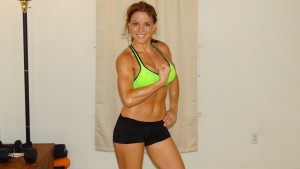
Jesse has an Ectomorph body type.

Ectomorph:

Naturally thin with fast metabolisms. Tend to be “hard gainers.” Putting on muscle can be more challenging. People in this category tend to have longer limbs, smaller bone structure, and smaller muscle bellies. A lot of beauty articles call this “ruler” body shape.

Diet: To put on muscle you require strength training, while also eating a diet high in protein to support muscle building. Overall caloric intake for muscle building is typically higher. Protein goal should be between 1-1.5 grams of protein per desired body weight. Aim for about 50% of your calories from carbohydrates, 25-30% from protein, and 20-25% from healthy fats.

Famous Ectomorphs: Audrey Hepburn, Cameron Diez, Kate Moss, Giselle Bundchen, Jamie Eason, Bruce Lee.

Workouts to maintain lean muscles and body shape: Strength/Resistance training and HIIT are your best workout options. Steady state cardio alone will decrease muscle mass, and have little impact on decreasing body fat percentage. Exercise must be supported by a well balanced diet with plenty of high quality carbohydrates, protein and fats, especially if the goal is to build lean muscle. For fat burning Short and Intense HIIT (High Intensity Interval Training) techniques will work best. Utilize weights for strength and muscle building.

Keep your training sessions short but intense. Be alert of over-training. Utilize workouts that target each body area (arms, legs, core, back, etc). If a body part is sore from your workout allow the muscles time to heal before targeting that area again. Limit steady state cardio to 3X per week. Aim for 15-30 Minutes of HIIT, and monitor your body’s reaction/soreness.

Try these workouts: Dumbbell Interval Sculpt: Full Body Workout. Improve Your Rear View Workout. Lean & Sculpted Arms Workout.

For Runners vary your intensity during training runs: 6 Training Runs to Improve Your Speed.

Note: This doesn’t mean you can’t run! Jesse is an excellent runner, but if he wanted to focus on building muscle/size he would need to decrease his cardio and increase HIIT/Strength Training Workouts. In addition to running, Jesse does HIIT and Weighted Exercise to maintain his muscle mass and decrease risk of injury during his runs.

Mesomorph:

Tends to be the “athletic” body shape. Thin, but with muscles. Gains/loses weight fairly easily. Weight gain tends to be diffuse and more spread out over the entire body instead of located in one area. Gains muscle mass fairly easily. Longer/rounded muscle bellies. Narrow waist in comparison to shoulders and hips.

Gains muscle or fat fairly easily. A combination of resistance/strength training and cardio works best. This body type typically responds well to longer training sessions. Responds best to varied exercises.

Famous Mesomorphs: Madonna, Jessica Biel, Arnold Schwarzenegger.

Workouts to maintain lean muscles and body shape: This body type requires a combination of strengthening and cardiovascular exercises. HIIT is a great option for maintaining lean muscle and burning fat. This body type also responds well to cardio such as running, and will not lose lean muscle as easily if their training is supported by a healthy diet.

This body type tends to be able to maintain a high level of effort for a longer time. Beware overtraining! Rest will benefit your training program. Mesomorphs typically experience less muscle soreness. HIIT, Strength Training, and Cardio workouts are all beneficial. Workout times can be range between: 15-minutes of HIIT up to 60-Minutes combining HIIT and Cardio or Strength Training.

Diet: Protein intake should equal approximately 1 gram for each pound of desired body weight (IE 150 lb person would eat 150 grams of protein per day). Carbohydrates should make up approximately 40% of diet, Fats 30%, Protein 30%.

Try these workouts: 18-Minute Cardio HIIT Fat Burn. 23-Minute Total Body Workout.

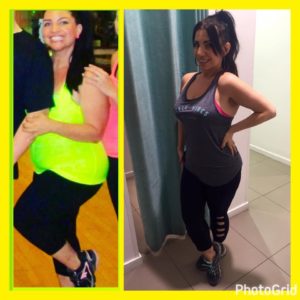
My friend Rose from mychangeforaten.com has an Endomorph body type. Thank you to Rose for lending me her photo for this post. 

Endomorph: 

Thicker rib cage/wider joints. Limbs tend to be shorter. Gains weight more easily. May have more difficulty losing weight/body fat. Hips may be wider than shoulders. Waist may be closer in size to shoulders and hips. Weight gain is often centralized in the abdomen or butt/thighs.

Muscles are strong, especially in the thighs. Metabolism is usually slower than those of an ectomorph or mesomorph.

Famous Endomorphs: Sophia Loren, Marilyn Monroe, Jennifer Lopez, Sophia Vergara, Brock Lesner.

Workouts to maintain lean muscles and body shape: This body type requires a combination of strength training and cardio. Strength training will increase muscle mass, and lead to a higher metabolism/calorie burn with all activities. Cardio will assist with burning fat and weight loss.

Try this workout: 30-Minute Total Body HIIT18-Minute Cardio HIIT Fat Burn.

This body type responds best to compound exercises (full body/multi-joint movements) and training that maximizes the after-burn. HIIT is a good option because fat burning continues even after the workout is done. Focus on higher intensity workouts with shorter rest breaks, combined with cardio. Many people with this body type benefit from more workout days (5-6 days of exercise per week). You must be aware of the signs of over-training and rest as needed. If you are just getting started begin with 3 workout days per week, and build from there.

Combine strength training, HIIT and Cardio. For example: 1-Round of a 30-Minute Total Body HIIT plus 30-Minutes Cardio of choice or 30-Minutes of body weight HIIT that incorporates cardio. Incorporate exercises that use resistance (weights/dumbbells), as well as body weight training.

Diet: Approximately 25-30% carbohydrates, 35% protein, 35-40% healthy fats.

Did you find this article helpful? If so comment below. If you identify with one of these body types & have a training or diet recommendation that works for you please feel free to share!

Get Rid of Belly Bulge: Safe Core Exercises for Diastasis Recti

Standard

Hi Everyone,

During my pregnancy I went into mega research mode. Two of the main areas I studied were Diastasis Recti and Pelvic Floor Health. As it turns out, both are very inter-related. If you have a problem with one, you most likely have a problem with the other.

You might already be familiar with Diastasis Recti, or those words might be brand new to you. Basically, it means abdominal separation. It commonly occurs after pregnancy. For some women the gap in their abdominal muscles closes on it’s own. For other women that gap remains and requires a lot of work to heal. Pregnancy isn’t the only cause of abdominal separation. It also occurs in body builders!

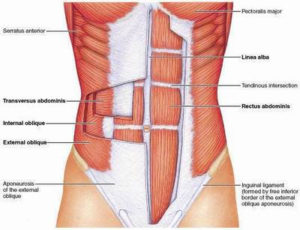
The cause of Diastasis Recti is increased intra-abdominal pressure (this is why it’s so important not to hold your breath during core exercises!) The midline of your abs is called the Linea Alba.

core tva muscle

The Linea Alba is connective tissue, and when it is under a lot of pressure it can separate.This leads to a bulge around the belly button and in the lower abs. If you have Diastasis Recti no amount of crunches is going to give you a smaller belly—In Fact, crunches will make it worse! Not only that, but you are more prone to back pain, overall core weakness, decreased posture, and increased risk of developing a hernia.

Now that you know what Diastasis Recti is, this is how you can test for it: (Demonstrated in the video below). 

Lie supine (face up) on the floor. Bend both knees, with your feet flat on the floor. Place one hand gently behind your head (for support, no pulling!) and with the other hand place your fingertips over your belly button. Contract your abdominals, lifting your head slightly off the floor, and moving your rib cage toward your abdomen (imagine hooking your lower ribs over the top of your abs). If you feel a gap in between both sides of the rectus abdominus (the six pack abs on either side of the belly button) that is larger than 2.5 finger widths apart, you most likely have Diastasis Recti. You can also have a doctor check you for this if you aren’t sure.

Other signs: The gap doesn’t close when you contract your abdominal muscles, and you may have a ridge or “shark fin” like line up the center of your abs when you do this test.

Exercises to Avoid with Diastasis Recti:

The Rectus Abdominus muscles are responsible for trunk flexion. Any traditional core exercise, like crunches, will increase the pressure to this area, and can make your abdominal separation worse. Avoid spinal rotation, as this can cause further separation of the abdominal muscles. You should also avoid deep backbends, and exercises that stretch the abdominal muscles (like leaning back over an exercise ball).

If you have a large Diastasis (greater than 4-5 finger widths apart) it is best to see an Occupational or Physical Therapist for a personalized strengthening program. While it is never to late to start a program (even if you have had Diastasis for years!) starting your program as soon as possible can help prevent additional problems or development of compensatory movement patterns.

If you have urinary incontinence or leaking, I highly encourage you to see an Occupational or Physical therapist who is certified in Pelvic Floor health. Even after a baby, leakage is never normal, and indicates a problem. Plus, with help and the correct exercises it’s fixable!

The exercises below are appropriate for helping to close an abdominal separation (and for strengthening even if you don’t have a separation!)

Exercises to Strengthening Your Core & Help Close Diastasis Recti:

*Do not start these exercises until you are at least 6-weeks postpartum, and have been cleared by your doctor. Listen to your body. If you are postpartum and experience increased, red bleeding it’s a sign that you are doing too much and are not yet ready for exercise. It is always best to consult a physician before starting a new exercise program. 

Important things to know before getting started:

Avoid crunches and trunk flexion exercises, or exercises that require deep back bending/abdominal stretching.

Avoid front planks until you are able to maintain a strong core/transverse ab hold, and demonstrate improved density of the connective tissue.

****Glute & Back Exercises support core strength and closure of the Diastasis. Perform all exercises with transverse ab engagement. This workout is core specific, but a well rounded exercise program will speed up your results****

You Are Not Ready to Progress to “Regular” Core Exercises until:

  • Core remains engaged during all exercises-no bulging belly.
  • The exercises don’t make you feel like peeing or cause urinary incontience
  • You have no back pain/pressure during the exercises
  • No Excessive trembling/shaking occurs during the exercises
  • Connective tissue should feel firmer

The Exercises:
*Exercises 1-4 are progressive. You will add exercises 2,3, and 4 progressively. Exercises 5-8 can be completed immediately with no progression required. 

Video Breakdown:
Checking for Diastasis: 2:55
The Exercises: 7:13
Exercise #1: 7:46
Exercise #2: 11:05
Exercise #3: 15:18
Exercise #4: 17:46
Exercise #5: 19:42
Exercise #6: 22:52
Exercise #7: 25:16
Exercise #8: 27:24

  1. Heel Slides: Bend your knees and keep your arms at your sides. Slide leg out while inhaling, until your leg is parallel with the floor. Exhale to return to starting position. Alternate legs. Listen to your body and over time increase to 20 reps per leg before progressing to exercise #2.
  2. Table Top Heel Slide: Exhale one leg to table top position, knee directly over your hip and shin parallel to the ground. Inhale and extend leg close to the floor-as close as possible without arching your back. Start with one leg at a time. Alternate and build to 20 reps. When you can do 20 Reps you can advance to using both legs. Once you can complete 20 reps per son of exercise #1 and #2 you can progress to including exercise #3 in your program.
  3. Toe Taps: Lift both legs to Table Top position. Maintain a 90 degree bend of the knees and tap your toes, alternating legs. Make sure you have no back arch/lift. Once you can complete 20 reps with good form, progress to including exercise #4 in your program.
  4. Double Leg Lower: Start with both legs extended toward the ceiling, directly over your hips. Gently lower legs toward the floor, and return to starting position. Only go as far as you are able to without belly bulging or back arching. Build to 20 reps.
  5. Transverse Ab Squeeze: Pull the core in tight, from the bottom to the top. Ensure that you can breath, and build up to a 20-breath hold.
  6. Pelvic Tilt: Start in supine with knees bent close to your backside. Keep your glutes relaxed, and use the lower abs to tilt your hip bones toward your rib cage.
  7. Pelvic Bridge: Start in supine with knees bent close to your backside. Keeping the core engaged, lift your hips and squeeze your glutes toward the ceiling.
  8. Reverse Plank: Place hands below your shoulders. Lift your body until you form a straight line from head to hips to heels. Progress to 60-second hold.

Fit Pregnancy: 37 Weeks Pregnant & Counting

Standard

Hi Everyone!

I am so far behind in my Fit Pregnancy Posting! I have posted a list of my workouts from Weeks 34-37. I normally write workouts on my calendar, but a lot were missing, so I used my Fitbit Tracking to re-list the workouts as best I could.

I do know, that there are plenty of Squats, and Pelvic Tilt Wall Sits that are not listed in there. I have also been doing Lunges and Kegals. The pelvic floor is far more complex than most people would lead you to believe. You need to do a variety of exercises to support it: Kegals, Pelvic Tilts, Transverse Abdominal Engagement (pulling the muscles inward and together while still being able to breath-this is what I mean during every core exercise when I say “Keep Your Core Strong” or “Engage Your Core”), Squats and Lunges. I do Plie Squats in multiple positions and focus on transverse ab engagement, tucking the pelvis, and feeling the pelvic floor lift every time you squeeze into the standing position.

I have been far more tired the last few weeks, and napping a LOT more. I should probably call it sleeping instead of napping, because I am averaging 1.5-1.75 hours of sleep every time I lay down for a nap. My nights are more restless, so I think I am making up for some of the interrupted sleep.

I am still working full time as an Occupational Therapist. All of my patients ask me when I am leaving for maternity leave, and I am still planning to work up until delivery day.

Below you can find my Activities & Workouts for the past few weeks, plus a general update on how I’m feeling!

13320643_1062918453755509_5459458876705737110_o-2

One of my maternity photos.

Pregnancy Feelings

Cravings/Food:

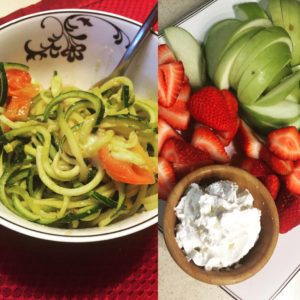
Still no crazy cravings! The craziest thing that I have eaten was a hamburger. I don’t like ground meat, and rarely eat red meat, so this was very weird for me. In general I am still craving a lot of fruits and vegetables.

Zoodles, Fresh Fruit & Whipped Cream

Zoodles, Fresh Fruit & Whipped Cream

Skin:
Still using Organic Coconut Oil + Lotion daily and making sure I stay hydrated. Working on my skin from the inside and outside!

Energy:
It fluctuates a lot. Sometimes I feel totally normal, and other times I am exhausted. As I mention, I am napping a LOT more the last two weeks or so.

Mood:
Great! Overall I am feeling really good. Nervous at times for all of the major life changes headed our way, but excited to meet our baby. Jesse’s co-workers have asked him many times if I have gone “crazy” yet, and I am happy to report he is still saying no! Our wedding/family photographer gave us several gifts at my baby shower that brought tears to my eyes, but other than that still feeling happy and even keel.

Body Image:
Feeling good! I still love being pregnant. At times my belly feels huge, and at other times I look at it and feel like it’s very compact. Since I have made it this far without stretch marks on my stomach I am really hoping to make it to the end. It’s not something I want to focus on too much because there is nothing I can do to control it. If I get them I am going to do my best to embrace them.

I am also mentally preparing for life/body immediately after birth. My muscles will be stretched, my stomach and uterus swollen and stretched, and I will be retaining fluids. I imagine that going from having a hard round baby belly, and a previously strong core, my body is going to feel and look very different. I am not going to rush my recovery, so I am already anticipating the body changes and healing process until I am cleared to workout again.
Baby’s Movements: 
He is still super active! Check out this video I posted on Instagram (@BenderFitness) of him moving around.


Nursery:
Almost done! We officially have a crib, bookshelf, dresser and changing table. We have a bassinet. We hung up new blinds, and decorating is almost done. I will be sharing photos of the finished product (maybe today!)

Worries:
Nervous about the big changes headed our way. It’s strange not knowing when Baby Bender will make his appearance. I am nervous about some of the physical aspects of labor. The word episitomy makes me cringe, and I am hoping to avoid interventions during my labor/delivery. My baby hasn’t dropped at all, and I have narrow hips, so I am somewhat fearful that he isn’t going to fit, but I remind myself that people far more petite than I am deliver babies naturally all the time.

MD Visit:
I skipped the cervical check for Week 37. At week 36 I had no progress/dilation, and it seemed pointless to have another check, as you can be dilated or not for weeks at a time. It doesn’t necessarily mean anything in relation to your onset of labor. Baby has not engaged at all, and is still high in my belly. On the plus side this means that running, sleeping and walking around is still comfortable for me, because there is no extra pressure on my bladder. Baby’s heart rate and movements are strong, and my DR is very pleased with our progress so far.

Overall:
I can’t wait to meet our baby! At the same time I enjoying these last few weeks where it is just Jesse and I. We love our life together, and I am sure that having a baby will add to that, but I will definitely miss the dynamic and intimacy of it just being the two of us. So while I am anxious to meet our little guy, I am enjoying each and every day of quality time with my husband up until Baby Bender makes his debut.

Week 33 Update: https://www.benderfitness.com/2016/05/33-weeks-pregnant-pregnancy-fitness-workout-update.html

Week 34:

34 Weeks and 6 Days Pregnant!

34 Weeks and 6 Days Pregnant!

My Workouts:

Sunday: 50 kettle bell swings: 100 high knees: 30 minute walk

Monday: 2 Mile Run (20 Minutes) + 20-Minute Walk

Tuesday: 23 Minute Walk

Wednesday: 3.28 Mile Run (10:36 Average Pace per mile)

Thursday: Elliptical 21-Minutes

Friday: 3.35 Mile Walk

Saturday: 3.5 Mile Walk

Week 35:

My Workouts: 

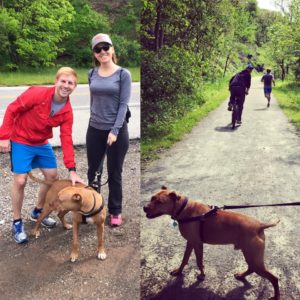
Today we got outside. My sister, Kristen, and I went for a 4.75 mile walk with her dog. Jesse ran 10 miles, and my brother in law paced him on his bike during the run.

Today we got outside. My sister, Kristen, and I went for a 4.75 mile walk with her dog. Jesse ran 10 miles, and my brother in law paced him on his bike during the run.

Sunday: 4.75 Mile Walk with my sister.

Monday: 20-Minute Full Body Dumbbell Workout: Third Trimester

Tuesday: 4.05 Mile Walk

Wednesday:  30-Minute Walk

Thursday: 20-Minute Full Body Dumbbell Workout: Third Trimester

Friday: 5-Mile Walk with Nicole, Kristen & Olivia

Saturday: 4.44 Mile Walk + Baby Shower Day!

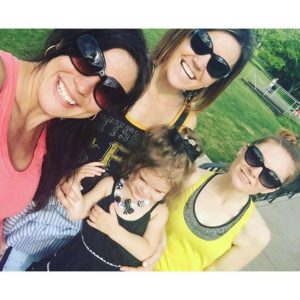
Just finished a 5-mile walk with these lovely ladies! I love staying active with family and friends. 35-weeks pregnant and feeling great! #BenderFitness #fitpregnancy #fitpreggo #northpark #babyboy #family #friends #healthylifestyle

Just finished a 5-mile walk with these lovely ladies! I love staying active with family and friends. 35-weeks pregnant and feeling great! #BenderFitness #fitpregnancy #fitpreggo #northpark #babyboy #family #friends #healthylifestyle

Week 36:

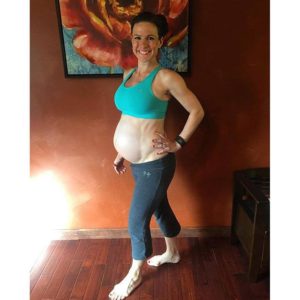
36 weeks pregnant

36-Weeks Pregnant

My Workouts:

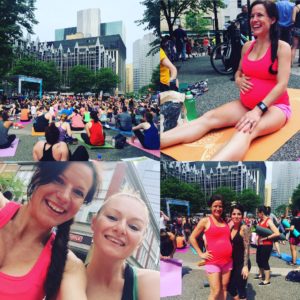
Yoga in the Square: Downtown Pittsburgh Free Yoga Event

Yoga in the Square: Downtown Pittsburgh Free Yoga Event

Sunday: 60-Minute Yoga Class Downtown with Nicole + 4-Mile Walk

Monday: 20-Minute Full Body Dumbbell Workout: Third Trimester + 40-Minute Walk

Tuesday: 3.5 Mile Walk

Wednesday:   3.37 Mile Walk

Thursday: 33-Minute Walk

Friday: 2.5 Mile Walk

Saturday: 3.5 Mile Walk

Week 37:

37-Weeks Pregnant

37-Weeks Pregnant

image

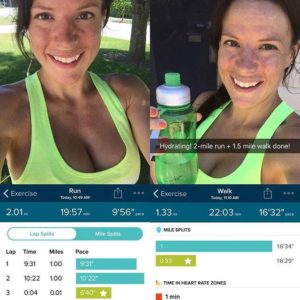
Sunday: 2-Mile Run (9:57/mile average pace) + 1.5 Mile Walk

Monday: 30-Minute Walk + Workout Below;

20 pelvic tilt X2

Single leg STS 20 per leg

First Position Plie X20

2nd Position Plie X20

Seated Heel Slides X20

Side Plank 60-seconds per side

Reverse Plank 60-seconds

Split Squat: 10 per leg

Tuesday: 30-Minute Walk

Wednesday: 3.35 Mile Walk

Thursday: 30-Minute Walk

Friday: 3.5 Mile Walk

Saturday: 3.5 Mile AM Walk + 2.5 Mile PM Walk

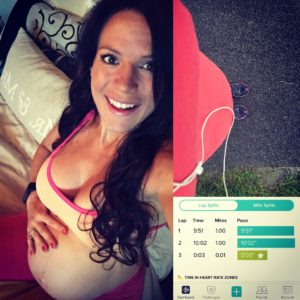
Sunday: 2.01 Mile Run (9:56 min/mile pace, 20 Minutes) + 1.3 Mile Walk (22 minutes)

2-Mile Run + 1.3 Mile Walk at 37 Weeks, 5 Days Pregnant.

2-Mile Run + 1.3 Mile Walk at 37 Weeks, 5 Days Pregnant.

Enjoy & Thanks for all of your support!

Melissa

PS You can find me on Instagram & Twitter: @BenderFitness and on Facebook: www.facebook.com/MelissaBenderFitness.


Fitbit Surge: Product Review

Standard

Hi Everyone!

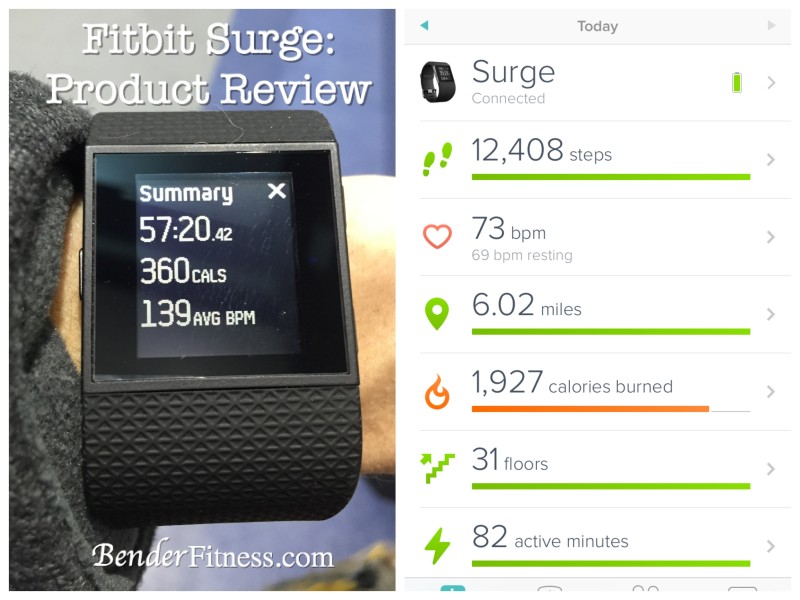
I have received a lot of questions about the watch I wear in my workout videos. I wanted to take a few minutes to do a Product Review of the Fitbit Surge. This is the watch that I wear in my workout videos to track my heart rate and calories burned. It’s also a GPS watch and pedometer, so I track my steps all day long, and even log/track all of my running right on the device.

I am going to talk about what the watch does, Pros & Cons, and Upgrades I would love to see in the future.

Fitbit has many products that track steps and/or heart rate. I selected this one because it also has the GPS tracking for runs. I was previously using the Garmin Forerunner to track my runs, but I liked the idea of having all of my workouts & daily activity synced in one place for easy tracking.

I have been using this product for 3-Months now. I wanted to allow enough time to get used to it and try it in a variety of situations before giving my opinion. I haven’t tried other activity trackers, so I can’t give you a direct comparison, but I can tell you what I like about this product, and what changes I would like to see.

So what does this watch do? 

-Tracks Steps/Activity throughout the day

-Tracks Heart Rate

-Tracks Sleep & Sleep Quality

-Tracks Multi-Sport Workouts, including indoor workouts

-GPS Tracking

-Alarm Clock

-Receives Text Notifications

-Controls Songs from your Phone Playlist

-Wirelessly Syncs with an App on Your Phone

Pros, Cons & Suggested Upgrades


-Tracks Steps/Activity throughout the day

IMG_6972

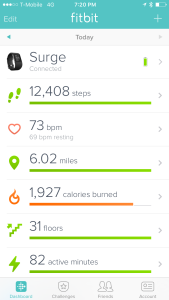
Pros: I love tracking my steps. I find it very motivating, and it encourages me to get my body moving on days that are slow. If I see that my steps are low, I am motivated to get them higher. That might mean walking up and down my staircase, or getting out for a walk or run. Steps are a quick way to show you how much you are moving & to help you spot trends in your workout activity.

Cons: The accuracy of step tracking is dependent on how much you move your arms. If you are walking or running it will track very accurately. If you are pushing a stroller or wheelchair, or carrying something you will not be tracking all of your steps. I am an Occupational Therapist, so I spend a lot of my time pushing wheelchairs of my patients that are too de-conditioned to make the long walk to/from the therapy gym. At work the pedometer on my phone typically says I walk 1000-2000 more steps than my Fitbit reports, because my arm is still while I push a wheelchair. I am currently pregnant, and I plan on running/walking with Baby Bender in a Stroller, so this will impact my tracked steps.

Suggested Upgrades: I would love to see an option to add a tracker that can be placed on your sneakers. If I was the designer, I would create a device, much like the small race chips you tie to your shoelaces, that would sync with the phone to track steps even when your arms aren’t swinging. If you know that you are going to be running or walking while pushing a stroller/wheelchair, or doing a lot of carrying, you can place this device on your shoe to sync for a more accurate step count. It’s not something you would need all the time, and it would be a great option for people impacted by this issue.

-Tracks Heart Rate

Pros: This device tracks your heart rate directly from the watch band. You don’t have to wear a separate heart rate monitor strap across your chest. This is a big pro for me, because I have gotten friction burns, and rubbed off skin under the chest strap of other heart rate monitors (OUCH!) It also tracks your resting heart rate while sleeping, heart rate during each workout, and helps determine your calories burned during the day.

Cons: Occasionally the heart rate has difficulty capturing. The recommendation is to wear the band higher and tighter on the wrist during workouts. Mine seems to be accurate when I compare it to a manual check of my heart rate. My husband has noticed that during runs his heart rate doesn’t always match his rate of perceived exertion, and it seems to be reporting his heart rate on a delay compared to the actual workout. For example, if he is doing a hard interval workout, it might say his heart rate is higher during the “easy” intervals, than during the “hard” intervals.

-Tracks Sleep & Sleep Quality

IMG_6974

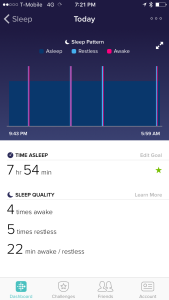
Pros: The watch and app work together to show you not only your total number of hours slept each night, but it also tracks your average each week. The tracking is based on how much you move while sleeping. If you toss and turn a lot, it will show that you have a lower quality of sleep. When you stay still it shows deeper portions of your sleep cycle. If you get up to use the bathroom or get some water, it will show that you are awake. You can adjust the sensitivity of the watch to be normal or sensitive.

Cons: None, just check your sensitivity settings for the most accurate reading. I keep mine on normal, but I am very good at sleeping!

-Tracks Multi-Sport Workouts, including indoor workouts

Pros: You can add the activities/workouts that you most commonly use directly on your watch. The watch will automatically recognize walking and running after 10 minutes. You can use the GPS option for outdoor workouts such as running, walking, hiking or biking.

For indoor workouts you select the workout you want & it will track your heart rate, length of workout and calories burned. You can use your heart rate and calorie burn to directly see how much your effort level will impact your burn. When you sync this into the app it will track all of your workouts, and your Active Minutes over the course of the week. You can easily click on each workout, or go to a specific date to see what your workout/activity level was.

Cons: You have to go to the website app to add workouts & sync it to your phone. I was unable to add my desired workouts directly from the watch.

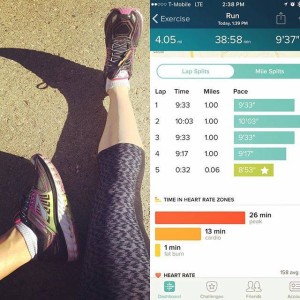
For treadmill workouts you may have to adjust your stride length to make sure your readings are accurate. My treadmill workout readings were under by .3 miles (that’s more than one lap around a track!) per mile. For every mile I ran, it said I was only running .7 miles.

To fix this problem I did both a live chat with a customer service representative, and a twitter request. The twitter request was accurately addressed and I was provided the right information right off the bat. The live chat did not go so well. The customer service representative did not now how to fix the issue, and until I specifically asked if there was a way to adjust stride length for increased accuracy she did not give me any information on this option. She kept saying that if I put in my height and weight correctly, and swung my arms during my workout it should be 100% accurate. When I asked about Stride Length adjustments (I was hoping she would bring it up, so anyone with less technical knowledge of the device would obtain the right information) she was able to provide me with the correct information. The link to fix this issue is below:

For the Most Accurate Stride Length and Step Readings Follow These Steps: Fitbit Help: Adjusting Stride Length.

-GPS Tracking

running 21 weeks pregnant

Pros: The GPS tracking seems to be very accurate. It is comparable to the GPS tracking of my Garmin Forerunner, and clicks the miles off at the same times on my normal running route.

Cons: Satellite connection time varies. Before tracking your workout with GPS your watch will link to satellites to track your mileage. Sometimes this happens instantly, other times it can take a couple of minutes. Using the GPS will run down your battery more quickly. Overall, battery life is good, so this isn’t really an issue, but be aware that if you use the GPS option you will have to re-charge your watch more often afterward.

-Alarm Clock

Confession: I haven’t actually used this option. I have all of my alarms pre-set on my phone. I will make a point to try this out & update this section of the review. I do know it is a silent alarm, and will vibrate to wake you up or alert you of the time.

-Receives Text Notifications

Pros: You can be notified of new text messages & read them directly from your watch.

Cons: It seems like every time I teach a group fitness class I get 15-20 text messages from my boss/co-workers regarding what is on the agenda for the next day. It is very distracting to have your wrist constantly buzzing during your workout, particularly when you know it is work related. I like to focus on my workout with no distractions. You can manage notifications and prevent text messages from going to your watch.

-Controls Songs from your Phone Playlist

Pros: Apparently you can control music/song selection directly from your watch.

Cons: I can’t get this to work with my iPhone. When I double click the back button on my watch the music app says “Not Connected.” There are trouble shooting steps for this problem, but I don’t listen to music during the majority of my workouts so it hasn’t been a big issue for me. I will update this section when I go back and re-sync the playlist.

-Wirelessly Syncs with an App on Your Phone

Pros: It’s very easy to sync your steps to the app. Just open the app in your phone, make sure bluetooth is enabled, and your steps, sleep, workouts, etc, will be loaded into the app. You can look at your total steps directly in the watch, or on the app.

I like having all of my workouts synced and easily referenced in one place.

The app is also fun, because you can add friends and join step/activity challenges with them. You will also get “Badges” and “Trophies” for achieving different activity milestones. It is fun and motivating to participate in the challenges with your friends.

I also like that this app syncs with MyFitnessPal so you can directly see how may calories you take in and how many you are expending.

Cons: I haven’t had any issues with the app or syncing process.

Price

Cost: The fitbit surge retails for $249.95.



Disclosure of Material Connection: Some of the links in the post above are “affiliate links.” This means if you click on the link and purchase the item, I will receive an affiliate commission. Regardless, I only recommend products or services I use personally and believe will add value to my readers. I am disclosing this in accordance with the Federal Trade Commission’s 16 CFR, Part 255: “Guides Concerning the Use of Endorsements and Testimonials in Advertising.”

Melissa Bender Interview: Keeping Fitness 100% Free + Balancing Life & Fitness

Standard

Hi Everyone!

I wanted to share this video of my interview with Millionaire Hoy & SweatStreamTV. It’s a chance for you all to get to know me a little better, and maybe learn something about me that you didn’t know!

We talk about a lot of topics from my fitness philosophy to my diet. If you have any questions or comments feel free to post them below. It’s been a while since Jesse and I did our last Questions and Answers video. We love hearing your questions and getting a chance to respond personally to your comments and fitness concerns.

I have a cold & sore throat, so if I sound funny during the podcast that’s why. I am doing everything I can to fight this cold off naturally, but a doctor’s visit might have to be in my future.

I hope you enjoy the interview! It was a pleasure talking to Millionaire Hoy. He has a great fitness channel that is worth checking out.

Melissa

Working Out in the First Trimester of Pregnancy: What You Need to Know

Standard

Hi Everyone!

Having a baby is an exciting time! It can also be a confusing, and scary time when you hear conflicting information on what is and is not safe for you and your baby. Well meaning people will offer you conflicting advice, and internet searches can turn up some scary results.

I have put together some Must Know information for working out in your first trimester. If you have anything to add to this list, or a question about working out in the first Trimester post it in the comments below or on my Facebook page: www.facebook.com/MelissaBenderFitness.

  1. There is No Set Heart Rate you Must Stay Under During Your Workouts. For a long time, doctor’s recommended that women keep their heart rate under 140 beats per minute during exercise while pregnant. This was based on one study that was done in the 1980s. The American College of Obstetricians and Gynecologists changed this recommendation back in 2002, yet this advice continues to be common today.

You should pay attention to your Rate of Perceived Exertion (RPE) when working out. If it feels to intense, it probably is. You should be able to talk during exercise, and never work out to the point where you are gasping for air or feel sick. This guideline was changed because individual heart rates are very variable, and for most athletes 140 BPM is barely a warm-up, let alone a workout. Rate of Perceived Exertion is a much more reliable and individualized method of monitoring your workout intensity.

When I run and workout, I give myself the “talk test.” Even if I am alone on the treadmill, “Are you still doing okay? Yup! You can chat so you’re in the right zone! Keep it up!” Sounds cheesy I know, but I am willing to be cheesy if it means keeping my baby safe and healthy.

run dec

Running Outside at 11.5 Weeks Pregnant. I heard Baby Bender’s Heart Beat at my doctor’s appointment the very next day. A strong 160 BPM.

2. It is Never to Late to Start a Workout Program. Previously, women were told “If you didn’t work out before you shouldn’t start while you are pregnant.” Wrong! The American College of Obstetricians and Gynecologists recommends that pregnant women get At Least 30-Minutes of Exercise Per day. If you are brand new to exercise you should not start a high intensity program. You want to build a little bit at a time. Week one, walk 5 minutes per day. During week 2 increase that to 10 Minutes per day. Continue to add 5-minutes of exercise at a time until you are getting in at least 30-Minutes most or all days of the week. Pay attention to your RPE, and keep your exercise in the mild-moderate intensity range.

jess preg walk

Walking with my sister while she was pregnant with Dax. She didn’t exercise consistently pre-pregnancy, but her daughter & walks around the neighborhood kept her active.

3. You Can Continue Your Current Workout Program. If you have an established workout program/routine it is generally safe to continue as long as you monitor your RPE and make adjustments for your changing body & endurance levels. Athletes can work out at a higher intensity level than people who are brand new to working out, because that is what their body is used to. Higher intensity workouts are not harmful to your baby. The baby will become conditioned to your workouts. Babies whose mom’s worked out during the pregnancy handle delivery better, and show less stress through the birth process. The babies also have improved cardiovascular systems at birth! The baby is only at risk if the mom is working out at an intensity level they are not used to. If you are gasping for air, baby is probably not getting enough oxygen either. Listen to your body. If it tells you to stop, listen! If your body handles your workouts well, then you are good to go!

Unfortunately, if your sport of choice is Scuba Diving, Downhill Skiing or High Contact Sports that would risk a blow to the stomach, doctor’s recommend that you don’t participate in these activities during pregnancy.
single leg pushup

4. You Can Keep Running Throughout Your Pregnancy: Pregnancy running is a safe workout. Be sure to monitor your RPE and recognize that as your body changes, and your weight increases your times will slow down, and your balance will change. Be careful on runs of any tripping hazards, and don’t run in extreme heat. Be sure to re-hydrate after your run and support the exercise with good nutritional choices. Pregnancy is not the time for a calorie deficit.

running

5. During the First Trimester Monitor How Hot You Get During Workouts. The first trimester is a fragile time of growth. The baby is completely dependent on you to maintain it’s body temperature. Stay hydrated and avoid working out in extreme temperatures. If you have a fever, skip your workout. Women who are already athletic are more efficient at regulating their body temperature and are not as prone to overheating. Your temperature should remain within 3 degrees of normal.
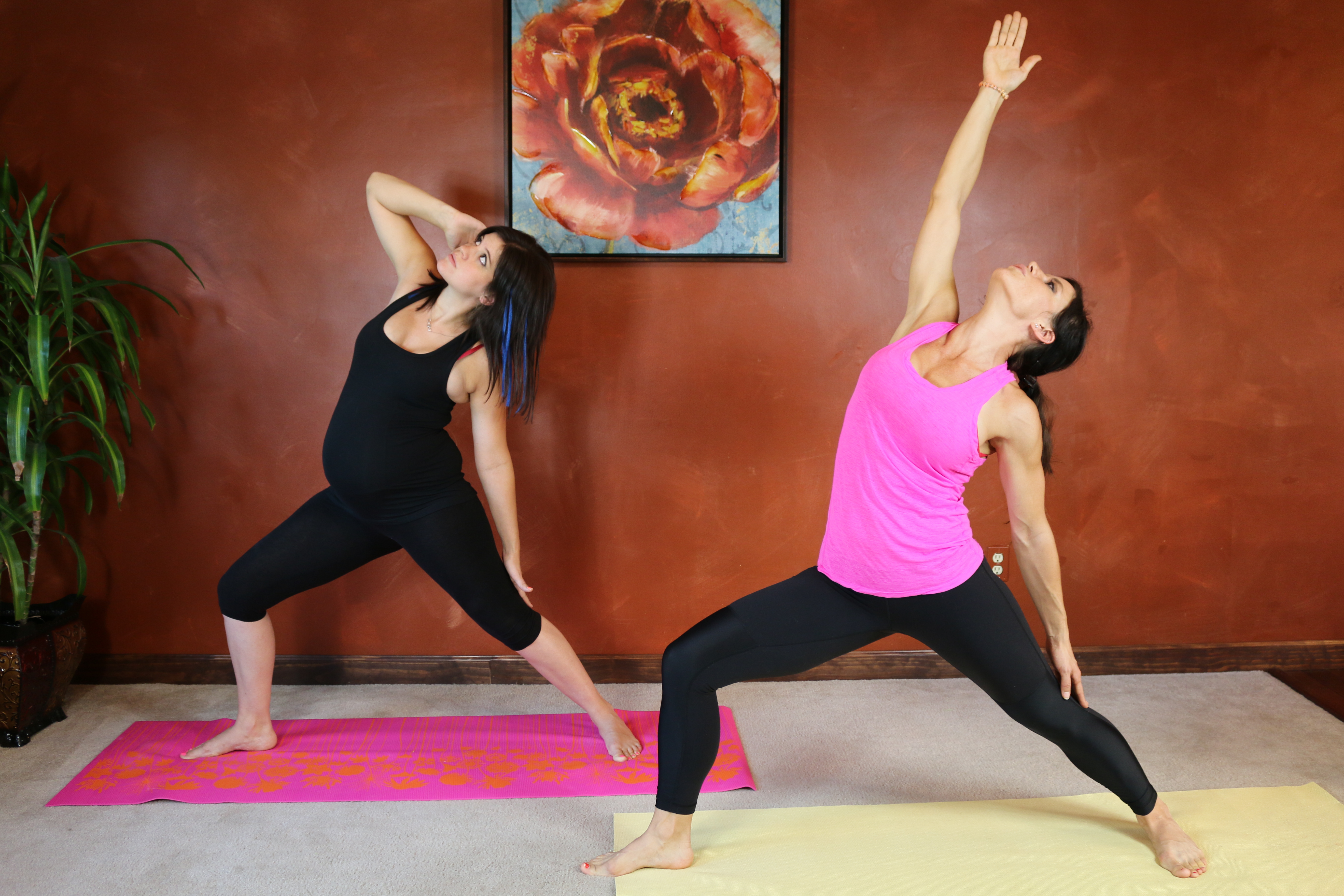
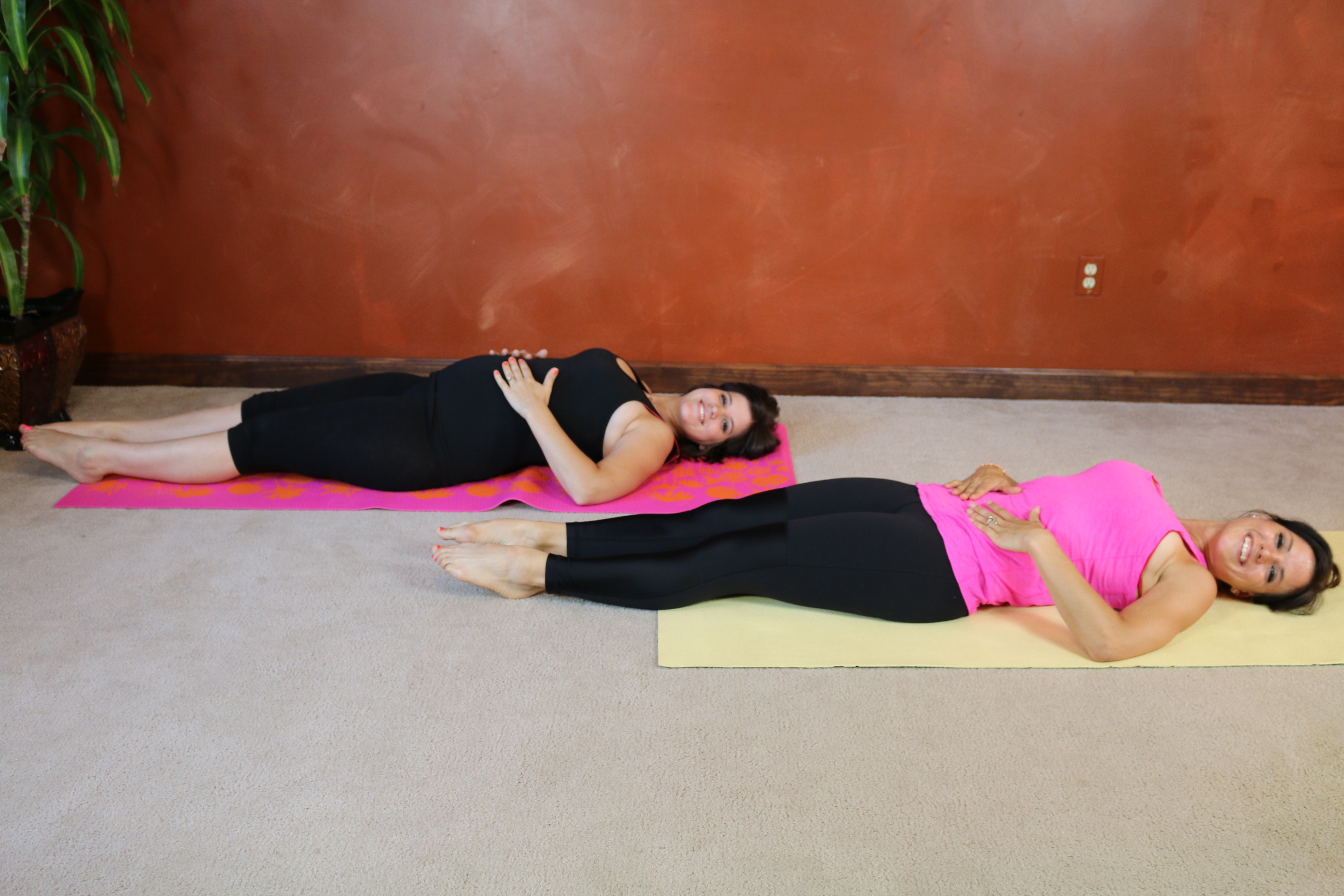
18 minute cardio sweat post workout

Pregnancy is not the time to finish your workout lying on a mat, sweating and gasping for air! Pace yourself & monitor your Rate of Perceived Exertion (RPE). If it feels “too hard” it is!

6. You Can Work Your Core During Pregnancy: During the first trimester you can maintain your normal core workout routine as long as it doesn’t cause you any discomfort. When you enter the second trimester, some women need to stop all supine (lying on your back) exercises because they cause dizziness or nauseousness. This is due to increased pressure on a major blood vessel called the Vena Cava, which can reduce blood flow to you and your baby. If you experience these symptoms change positions and discontinue supine exercises. There are still plenty of standing core exercises you can do! A strong core will help improve posture, decrease back pain during pregnancy, and improve the ease of labor.

Some core exercises will place you at increased risk of Diastasis Recti (abdominal separation) during the later stages of pregnancy. You don’t have to worry in the first trimester about abdominal separation because there isn’t a lot of abdominal pressure yet. Keeping your transverse abdominals strong can reduce your risk of Diastasis Recti, but it also helps to avoid core exercises where your abs bulge outward. For example, crunches. During my workouts, I always say “Keep your core strong.” That means engage the transverse abs by pulling them in toward your back. During all core exercises, planks, and pushups focus on keeping the transverse abs engaged. If it is difficult to keep your core engaged by pulling the transverse abs in during a particular exercise try switching to a different exercise.

leg-2Bcircles-2Bcore

Even during exercises that would traditionally bulge the abdominal muscles outward, you can engage the transverse abs by pulling the core in strongly. During the first Trimester it is safe to perform core exercises on your back.

7. You Can Continue Strength Training During Pregnancy: Focusing on proper form during pregnancy is very important because you hormones are promoting increased flexibility. If you use improper form this can increase your risk of injury. As always, listen to your body. If it feels like the workout is to intense, decrease the amount of weight you are using. Don’t worry about setting PRs in weight lifting while you are pregnant. Focus on choosing the right exercises to make you and baby stronger and healthier.

10-minute-weighted-interval-001

Don’t hold your breath while lifting weights, as it can increase abdominal pressure & reduce oxygen to yourself and the baby. Although it isn’t time to aim for new weight lifting PRs, lifting weights is great for keeping your strength and staying healthy throughout your pregnancy.

8. If You Have Any of the Following Symptoms Stop Your Workout: Vaginal Bleeding, Dizziness/feeling faint, extreme shortness of breath, chest pain, headache, muscle weakness, calf pain or swelling, uterine contractions, decreased fetal movement, or leaking fluid. Check with your doctor regarding your symptoms, and when it is appropriate to start working out again. This doesn’t mean you can’t ever workout again during your pregnancy, it just means that you should stop this workout & consult with your doctor.

9. If You Have Any of the Following Diagnosis You Should Not Work Out Unless Medically Cleared to do so By Your Doctor: Significant heart disease, restrictive lunge disease, incompetent cervix, multiple gestation at risk for premature labor, persistent 2nd and 3rd trimester bleeding, Placenta Previa after 26-weeks gestation, premature labor during the current pregnancy, ruptured membranes, or pregnancy inducted hypertension (high blood pressure).

Disclaimer:

*The information contained in this website is provided for general informational purposes only. It is not intended as and should not be relied upon as medical advice. The information may not apply to you and before you use any of the information provided in the site, you should contact a qualified medical, dietary, fitness or other appropriate professional. If you utilize any information provided in this site, you do so at your own risk and you specifically waive any right to make any claim against BenderFitness its employees or representatives, as the result of the use of such information.*

Getting Back on Track with Fitness: How to Create a Weekly Workout Schedule (with Examples)

Standard

Hi Everyone!

It’s been a crazy weekend. I’m behind schedule on everything I planned to do, including my workouts. I started a job as lead Occupational Therapist for a new facility this week. Jesse ran a Half Marathon yesterday.

jesse pre run 1_Fotor_Collage

Jesse Bender: Pre-Race

Although I had more time this week because my new job is closer, I was tired, so I skipped a few days of workouts. Skipping workouts is a vicious cycle, because when I workout I eat more healthfully. When I don’t work out my body craves an alternate energy source, and I start craving less nutrient dense food (simple sugars, etc). Yesterday, Jesse was sick before he ran (but we thought it was just pre-race jitters, although that wasn’t normal for him). After he ran, he was terribly sick so I spent the evening taking care of him. The overall result, missed workouts & food choices that have me feeling tired, bloated and blah.

Today is a new day, and that means I can make the choice to get back on track with my workouts & my eating. Life happens. Things will come along that push you off course (even when you have a plan!) That’s okay, it’s part of living. Don’t let those times completely de-rail you. Progress and health are the result of consistency in your choices.

It’s okay to take rest days & indulge in chocolate (or your favorite food of choice). If the majority of the time you are making healthy choices in your fitness & diet, a little bit of indulgence isn’t going to ruin your progress.

Here are some simple things you can do to stay on track: 

  1. Plan your meals for the week. This can include food prepping on Sunday, or just planning what you will have for lunch & dinner throughout the week. It will save you time & money if you plan ahead, make sure you have all the necessary items from the grocery store, and do a little prep. It also makes it easier to avoid un-healthy food choices & take-out menus or drive-thru dinner options when you have a plan.

2. Plan Workout & Rest Days: Schedule in time for your workouts. Figure out the time that works best with your schedule & lifestyle. If something comes up adjust as needed. If you know your goal is to workout 5X per week, and you miss a day on your schedule, adjust the schedule so you are still getting in 5-workouts. If you miss a workout once in a while it’s okay, but aim to hit those 5-workouts consistently, even if it means swapping your rest and workout days sometimes. I call it Flexible Planning.

For the Schedule below you will see that on several days I wrote Workout or Run or Rest. Those are flexible days. I want to workout 5X per week, and I am running a Half Marathon in October so I want to run 5X per week. Because I am training for the Half, some days I will only do running instead of pairing a run and a workout. I will write a blog post specific to Half Marathon training & adjusting your workout schedule. I keep those days flexible so that I can choose to do just a run, just a workout, or take a rest day. I aim to workout 5-6 days per week with 1-2 full rest days. My workout time ranges from 30-60 minutes total per day.

-Sunday: Long Slow Run & Workout
-Monday: Run & Workout
-Tuesday: Workout or Run or Rest
-Wednesday: Run & Workout
-Thursday: Workout or Run or Rest
-Friday: Workout or Run or Rest
-Saturday: Run & Workout

Optional Week Long Workout Schedules:

Below you will find several weeks of workout Schedules. Click the link for the full schedule with workout videos. Adjust the days to fit your personal workout schedule needs. Most schedules include 5-6 Workouts per week.

weekly workout schedule

Week 1 Workout Schedule

Week 2 Workout Schedule

Week 3 Workout Schedule

Week 4 Workout Schedule

10-Week BodyRock Boot Camp Workout Series

Honey Balsamic Brussel Sprouts Recipe

Standard

Hi Everyone!

Have you tried Brussel Sprouts lately? A lot of people have been scared of this delicious veggie since childhood! Maybe you just haven’t had it prepared quite the right way!

I am a big fan of Brussel Sprouts. They are full of Vitamins C & K, potassium, dietary fiber and more! Consuming Brussel Sprouts (and other cruciferous vegetables) has been linked to lower rates of cancer. Vitamin C helps improve skin texture and reduces the appearance of wrinkles.

Are you willing to try it yet?

My husband hates brussel sprouts. He can’t even stand the smell of them. Until I tried this recipe.

He walked into the kitchen raving about how good whatever I was cooking smelled. Knowing that he hates brussel sprouts I wasn’t expecting to have to share. I want to keep my husband healthy so we can have a long & happy life together, so I let him have some. Even though I could have gladly eaten them all by myself.

I hope you enjoy this recipe as much as we did! If you have another variation of brussel sprouts that you love feel free to post it in the comments below!

Melissa

IMG_2962

Ingredients:

About 12-16 oz. Brussel Sprouts
1 Tablespoon Extra Virgin Olive Oil
2-3 Tablespoons Balsamic Vinegar
2 Tablespoons Minced Garlic
1 Tablespoon Honey
Sea Salt & Black Pepper to Taste

You can choose to bake your brussels or cook them on the stove.

*Hint: If you are in a hurry, use a bag of frozen steamable brussel sprouts. Pre-cook in the microwave according to directions on the bag. Decrease cooking time on stovetop.

*If you are using fresh brussels, trim the ends and remove any old leaves from the outside. Cut in half for faster cooking.

Stove Top:

-Heat Olive Oil and garlic in pan until garlic is lightly browned.

-Add Balsamic Vinegar and Honey. Allow all ingredients to simmer gently.

-Add brussel sprouts and lightly toss or stir until brussels are coated.

IMG_2960

-Cook 5-7 Minutes until the bottoms of brussels are lightly browned. Turn over & repeat.

-Cook brussels to desired consistency/softness.

-Lightly season with black pepper and sea salt (optional).

Enjoy!

IMG_2961


For Baking:

-Preheat the Oven to 450 degrees F.

-Line a pan with foil and lightly grease with Olive Oil.

-Toss Brussels & all other ingredients in a bowl until evenly coated.

-After coating brussels place them in a single layer in your pan.

-Bake for 20-Minutes or until desired texture is achieved.

-Serve & Enjoy!

IMG_2964


Thrive Market: Organic Products, Wholesale Prices

Standard

Hi Everyone!

Organic Foods at Wholesale Prices….Sounds pretty good to me! I am trying out Thrive Market. It’s an online grocery store that specializes in Organic items. Think Whole Foods meets Costco. As someone who works full time, blogs, works out after work, runs, and enjoys spending time with family and friends, I have to admit the convenience of online shopping is very appealing to me.

Time is a precious commodity. Time saved on shopping means more time for life! I am really excited to try it out, and let you all know how how the process goes!

Like Costco, Thrive Market has an annual membership fee ($59.95 per year, which breaks down to $5 per month). However, there is a free trial for the first 30-Days. I just placed my first order within the 30-Day Trial. You also get an extra 25% off on your first order when you sign up.

The products available at Thrive Market are 25-50% below market prices, and 15-25% lower than other online retailers. I did some online comparison shopping to double check their claims, and the savings are as advertised! There are more than 3000 organic, non-GMO, healthy products to choose from. The products range from food staples, to tea, vitamins, protein powders, non-toxic cleaning supplies, baby items, beauty products, and sustainable home care items. They carry many products that I normally purchase.

Thrive_HeroBanner


The free trial doesn’t start until you place your first order, and you don’t need to submit credit card information to sign up. Signing up will allow you to browse the products & see if the membership is right for your personal shopping needs. You only put in payment information if you decide to place an order.

You can custom search products based on categories of interest: Gluten Free, Paleo, Vegan, Raw, and more.  Many of the Brand Names you find at your local Organic food stores are available in this online Market Place.

I also like that all Thrive is 100% Carbon Neutral. All packaging, boxes and inserts are made from recycled paper, and are recyclable.

Have you tried Thrive Market? If so what do you think? I will update everyone on my experience when my first order arrives! I’m hoping for a great experience that will cut down on my grocery shopping time! If you want  to try Thrive, check it out HERE.

Melissa

DISCLOSURE: If you use a link from this page to sign up and eventually purchase a membership, I do get a small commission for referring you. That said, I only recommend products and businesses that I use myself and believe in.


Thrive_Sharing_0008_9

How to Build Lean Muscle While Decreasing Body Fat: Tips for Exercise, Diet & Supplements

Standard

Written By: Jonathan Shoop

Hello everyone! It has been far too long since I wrote last. Let me start by saying I hope everyone who reads this is doing well and is enjoying life! I am not an medical doctor, please consult with your physician before beginning any exercise or supplement routine.

Today I want to write about the topic of building muscle mass without gaining fat. If you follow my directions and are diligent about exercising, diet, and supplementation then you should actually be building lean muscle and DECREASING body fat! Yes I said it. Build muscle AND lose fat at the same time. Now I know what some or most of you have heard… that it is impossible to do that without using anabolic steroids. Or that to gain muscle you must go into a “gaining phase” and that will likely include gaining fat. Well I’m here to tell you that those ideas are simply untrue.

Let’s start with exercise. Resistance training is CRUCIAL to gaining muscle tissue. Whether it be lifting weights, Melissa’s at home workouts, circuit training, or other bodyweight exercises. Putting strain on your muscles everyday is what’s going to be what causes microfiber tears on your muscle tissue. These microfiber tears are what we will then go back and repair using proper diet and supplementation, resulting in… muscle growth!

yoga with weights

My suggestion for someone who lifts weights is to lift 4-6 times a week for no less than an hour at a time. You need to push yourself everyday and keep track of how much you are lifting to help keep the progress going in the following months/years. I would then also throw in a 2-3 high intensity cardio workouts (no longer than 30 minutes) after lifting or on your “off day”. Melissa has a variety of workouts for you to do on this site so I will leave it to you to find the ones you like.

If you are doing Melissa’s workouts, you can stick to one or two a day but I would really push you to shoot for 45-60 minutes.

Now comes nutrition and supplementation. First of all and most importantly, you need to be keeping track of the amount of calories that you eat throughout the day and the amount of calories you burn. This is absolutely CRITICAL to obtain the best and quickest results. Melissa and I actually met through our use of the website myfitnesspal.com – this is a great resource for logging what you eat throughout the day as well as inputting your exercise.

cauliflower

If you are overweight and needing to lean up, set the setting of how active you are throughout the day one notch lower than what it would suggest for you. If you are trying to gain muscle and have trouble doing so, go with what they suggest. This is the amount of calories you burn normally in a 24 hour period with no exercise. When you exercise, try using a heart rate monitor or something else that keeps track of your activity/calories you burn. You need to add those calories back into your daily amount, this will give you more to eat, but you need them to build that muscle!

In terms of calories, I would suggest starting with what myfitnesspal.com suggests for your overall calorie intake and then adding your exercise calories. Do this for 2 weeks and monitor your weight during that time period. What we are looking for is a baseline number for your calories. If you’ve lost or gained weight during that time period and being diligent with keeping track and being on point with your consumption and expenditure of calories, you should adjust it from there depending on the gain or loss. If your weight has stayed the same during that 2 weeks then that is perfect. That is your maintenance calories (the amount of calories your body needs to maintain weight). Our goal is to gain muscle, for this I would add 250 calories into your daily consumption on top of your maintenance amount. If the weight isn’t coming on after 2-4 weeks of doing this, keep increasing your calories incrementally every 2-4 weeks. Gaining muscle takes time and patience. Keep at it and keep pushing yourself and expectations in your workouts!

protein-2B2

The supplementation side of it is what is going to help you maximize your efforts! Think about it this way, with a car, you can get from point A to point B. The difference is how quickly you can get there and your gas mileage. You want to get there fast and you want to get there efficiently. This is the whole point of sports nutrition supplements. They will help you get there faster and with greater efficiency.

There is a plethora of information and products to take on the market. I have been a consultant for various nutrition stores throughout my years of working out and have chosen to carry specific products from specific companies because of their quality and results.

Here is a quick rundown of what I take/recommend for someone who works out 3+ times a week for 30-90 minutes.

*Note from Melissa: Be sure to check any supplementation program with your doctor. Each individual has different needs and tolerances. It is important to customize your program. If you have questions, ask a professional and be honest about your health history.*

Before a workout:

60-90 minutes before workout: Depending on size of the person: A meal consisting of 2 eggs and about 20-30 grams of carbohydrates such as fruit or oatmeal. If you do not have time because of work or waking up so early, that is OK but I would suggest then a quick protein shake of whey isolate or egg white protein.

15-30 minutes before workout:

  • Thermogenic, fat burner, or preworkout drink – something that will get you going and help you crank out that workout. Be careful with your own tolerance to stimulants and do not combine them unless you have done it before.
  • Along with any of those stimulants take 10 grams of branch chained amino acids. (BCAAs for short, they consist of Leucine, Isoleucine, and Valine). This helps protect your muscle tissue from being used as energy, helps with recovery, and helps fight fatigue during the workout. I like BCAA Fuel.

After the workout:

  • Take 20-50 grams of protein from egg whites (my favorite is Muscle Egg flavored egg whites) or a whey isolate protein (Isolate Fuel or Iso Fuel Naturals) – again, the amount is dependant upon the weight and dietary needs of the individual.
  • Glutamine complex 6-10 grams – my favorite is Glutaplex. This helps speed up the repair of muscle tissue which helps with growth and also cuts down soreness.
  • Depending on dietary needs you can also take 20-40 grams of carbohydrates such as berries, oatmeal, or a powdered carbohydrate like Carbalean by Nutracore.

Everyday essentials:

  • Liquid or powdered form complete multi-vitamin. Don’t waste time or money on hard tablet form multi-vitamins as these are hard to digest, may upset your stomach, and your body only absorbs about 10% of a hard tablet multi-vitamin.
  • Essential fatty acids, EFAs, fish oils, or krill oil. Essential fatty acids are the best thing for your heart health. EFAs help lower blood pressure, raise good HDL cholesterol, and lower bad LDL cholesterol.
  • CLA – conjugated linoleic acid, from safflower oil. This is a fatty acid that helps your body to burn white adipose tissue. White adipose tissue is the fat around our midsections. I get mine from Pure Life Nutra because it is composed of only safflower oil, resulting in high purity and concentration. (purelifenutra.com)
  • L-carnitine – this helps speed up your body’s ability to burn fat. I get mine from Pure Life Nutra because of it’s purity.


If you have any questions or would like help choosing a supplement regiment, feel free to email me at: totalnutritionmansfield@gmail.com
Thanks and I hope you make those gains!!!

Jon-3

Jon Shoop

You can read more about Jon and his background in Nutrition, Health, Fitness and Competition Training at: http://totalnutritiontyler.com/jon-shoop-store-owner/
 
If you would like to place an order or get more information please message him at: 
You can follow Jon on Instagram and twitter at: @jonshoop

Prenatal Gentle Stretch & Strength Video for Hips & Back: Pregnancy Safe Exercise

Standard

Hi Everyone!

Today I am joined by my sister, Jessica and my niece, Olivia. Jessica is pregnant with her second child, and has joined me for a Gentle Prenatal Stretching & Strengthening Workout. Jessica is currently 30 Weeks pregnant.

You should always check with your doctor to make sure exercise & stretching is okay during your pregnancy. 

This routine is focused on stretching your hips and back. Because of the changes in your body, many women experience pain and discomfort in these areas. Throughout the workout be sure to listen to your body. Don’t push the stretches further than is comfortable. Starting in the second trimester your hormone production of Relaxin increases your bodies flexibility to start preparing you for child birth.

The exercises in this video are designed to decrease pain from tight muscles, and also provide strength through your legs and core to improve your posture and body position throughout your pregnancy. Appropriate posture (which comes from stable core and leg muscles) decreases your risk of Diastasis Recti (abdominal separation).

During this video we end with one exercise completed while lying on your back. For most women it is safe to lie on your back for up to 5-10 minutes during the second and third trimesters of pregnancy (check with your MD if you aren’t sure!) To get up you can roll on your side, and then use your arms to push yourself to a seated position.

If you are not allowed to lie on your back, you can complete the Baby Hug exercise while leaning gently against a wall.

I hope that you find this routine helpful during your pregnancy! I also hope you enjoy the guest appearances of Olivia & Gambit. When you have little ones in the house, working out is a different experience.

Enjoy!
Melissa

  1. Gentle Twist-Left
  2. Gentle Twist-Right
  3. Side Stretch-Left
  4. Side Stretch-Right
  5. Forward Stretch
  6. Seated Side Stretch-Left
  7. Seated Side Stretch-Right
  8. Cat/Cow
  9. Camel Lean
  10. Down Dog
  11. Goddess Squat
  12. Warrior Stretch-Left
  13. Warrior Stretch-Right
  14. Lunge Stretch-Left
  15. Lunge Stretch-Right
  16. Reverse Warrior Stretch-Left
  17. Reverse Warrior Stretch-Right
  18. Baby Hug

Gentle Twist

Gentle Twist

Side Stretch

Side Stretch

Forward Stretch

Forward Stretch

Side Leg Stretch

Side Leg Stretch

Side Leg Stretch

Side Leg Stretch

Cat/Cow

Cat/Cow

Cat/Cow

Cat/Cow

Down Dog

Down Dog

Goddess Squat

Goddess Squat

Warrior Stretch

Warrior Stretch

IMG_1209

Lunge Stretch

Lunge Stretch

Reverse Warrior Stretch

Reverse Warrior Stretch

Baby Hug

Baby Hug

Cuddle Time!

Cuddle Time!

IMG_1215


6 Tips for Becoming a Runner & Starting a Running Program

Standard

6 Tips for Becoming a Runner & Starting a Running Program
by Jesse Bender

When discussing running, one of the most common questions I receive is, “How do I become a runner or how do I even start?” My mind floods with positive responses; I’ll attempt to be precise.

There is no set-pace that a person must run to be considered a “runner.’ If you push yourself on a regular basis to ambulate faster than a walk with a pace that is slightly difficult, you are a runner. Do not let anyone ever tell you otherwise.

The Pre-Tip List for Becoming a “Runner”

There is only one Pre-Tip: We all hear that we should consult a physician prior to engaging in any new difficult physical activity. If you suffer from any joint pain, heart complications, back-problems, medication side-effects, or have not participated in cardio training of any sort within recent memory, I STRONGLY suggest consulting your physician prior to running/hiking/bungee jumping/cycling/Zumba/weight training/etc. anything that will elevate your heart rate.

Once you receive the green-light from your doctor, it’s time to kick the tires and light the fires!

1.) CONSIDER YOURSELF A RUNNER!

As stated above, there is no predetermined distance, pace, or race that must be completed by a human in order for them to be considered by other humans a “runner.” The moment you make the  true mental decision to start running, then you are a runner. This switch of a mind-set is imperative to you starting and sticking to a running regimen. Literally, tell yourself, “I am a runner now! I start (enter day) at (enter time)! ” and stick to that day and time!

2.) FIND THE RIGHT PAIR OF (ACTUAL) RUNNING SHOES:

“Well, Mr.Smarty-runner, what is considered an actual pair of running shoes and why do I need them?” Running shoes are any shoes designed and created for running. Many shoe companies have products that are designed for Fitness, Walking, Cross Training, or Hiking. These shoes are not horrible for you but, should be utilized accordingly and not for multiple miles of running either on a treadmill or outside. Most shoe companies (Nike, Reebok, Adidas) have designated “Running” shoes. These shoes are created to withstand the rigors of hundreds of miles of running and are designed to provide shock absorption, ankle support, traction so you do not slip, and breathable for your feet.

When I said to buy the right pair of running shoes I mean that to it’s literal sense. You must find the pair of shoes that fits you most comfortably and provides you with the correct amount of support for your specific step-type or strike-pattern (Neutral, pronation, supination).  Do not worry about what other people are buying or their looks. Only your foot can decide! With the correct pair of shoes, you will avoid injury and increase your running capabilities with greater ease. I strongly suggest buying your first pair of running-shoes from a running specialty store or a sporting goods with knowledgeable staff that can help you learn what type of shoe is right for you.

Some brands I recommend to try-on are: Brooks, Saucony, Mizuno, Asics, New Balance, and Nike!

new-shoes

Asics Gel Nimbus

3) FIND THE RIGHT RUNNING AREA

Running is extremely therapeutic, rewarding, and dangerous. Yes, I said dangerous. Many beginning runners do not understand the safety strategies that can save your life. The first step to staying safe while running is to find a safe area to run in. Whether you are running on streets or trails, be aware that other people may and will probably not be looking for runners.

Find an area to run in that has minimal traffic, low possibility of crimes, well-lit, and provides you the ability to summon others should an emergency arise. Many state parks or small neighborhoods can provide a very safe running environment. Also, try your best to choose an area that provides you with some flat spaces and as well as hills to run on. Varying terrain will ensure you to efficiently progress as a runner. These all sound nerdy, but take it from a runner who has been hit by two-cars,  almost hit by traffic on numerous occasions, bit by multiple dogs, and been chased down by “seedy” strangers under a bridge. Pick a safe place to run that isn’t too difficult for you.

jesse running buffalo creek

Jesse Running a Half Marathon (13.1 Miles)


4) CHOOSE A TRAINING PLAN

There are a plethora of beginner-runner schedules, Apps, and programs in books! No matter the media form you choose, pick a training plan for beginners such as a “Couch to 5k.” Having a set schedule for you to know what and when to run, walk, rest, etc. is essential to improving in any respect as a runner. Consistency is the most imperative factor of anything done in life! Running is no different, and a pre-determined schedule will significantly aide you in your journey.

You might like: Running for Beginners.

5) DO NOT BE ASHAMED TO WALK

Running is a building process! You do not say you are a runner and beat yourself up because you didn’t crank-out a 7 minute mile your first crack at it. You have to build your cardiovascular system, pulmonary system, and even nervous system to properly handle rigorous activity for prolonged periods of time. Running is the ideal example for improving ones self through consistent work. Not many other sports or activities rely so heavily on your own dedication and progress.

When you begin running and you find it difficult to breath, or you feel the pace is too much to handle, then stop! Don’t stop moving, but, stop the pace that has you breathing so heavily. Most importantly when you are beginning, you do not want to push yourself to the brink. Working to hard to fast will lead to injury or difficulty sticking with running. The best way we coach people to build all of their capabilities to run for any distance is to mix walking and running. Try walking for the first 3-5 minutes of a run in order to elevate your heart rate closer to a running pace. Then, try running for 2-5 min switching walking and running until you’ve reached your time or distance goal for that day. Luckily, most beginner running programs (as mentioned above) will have walking or “active rest” breaks built into the regimens.

6) RUN FOR FUN…WITH A FRIEND

As per most things in life, it’s better with someone! Running is no different. Try to find a person who is at or near your running capabilities to run with. You do not need to run with them every time but, having scheduled runs with other people will help you stay more consistent and accountable with your own training. Plus, running can get very boring from time to time. Having a running-buddy to talk with and share motivation/complaints with is extremely fun! Not to mention, running with someone helps keep you safe.

half marathon mel monty jesse

Melissa, Monty & Jesse: Race Day Pals

I hope these tips are helpful in the slightest for you! Please, leave us any running/fitness questions or comments for future posts and videos!

NEXT RUNNING ARTICLE:

SAFETY TIPS FOR RUNNERS/WALKERS!